Summary
- Ramadan is one of the holiest months in Islam, and daily life in Dubai changes significantly during this period.
- Filipinos are not required to fast, but they are expected to show respect in public and at work.
- Simple actions like greeting “Ramadan Mubarak,” avoiding eating in public, and respecting prayer and rest times go a long way.
- Understanding basic Ramadan etiquette helps Filipinos avoid misunderstandings and build better relationships with Muslim employers and colleagues.
- This guide explains what to expect and how to behave respectfully during Ramadan in Dubai and other Gulf countries.
Why Ramadan matters
Ramadan is one of the most sacred and anticipated months in the Muslim world. It is a time of fasting, prayer, reflection, and charity. The dates of Ramadan change every year because they follow the lunar calendar, and the month begins when the new moon is sighted. The fast usually lasts for 29–30 days.
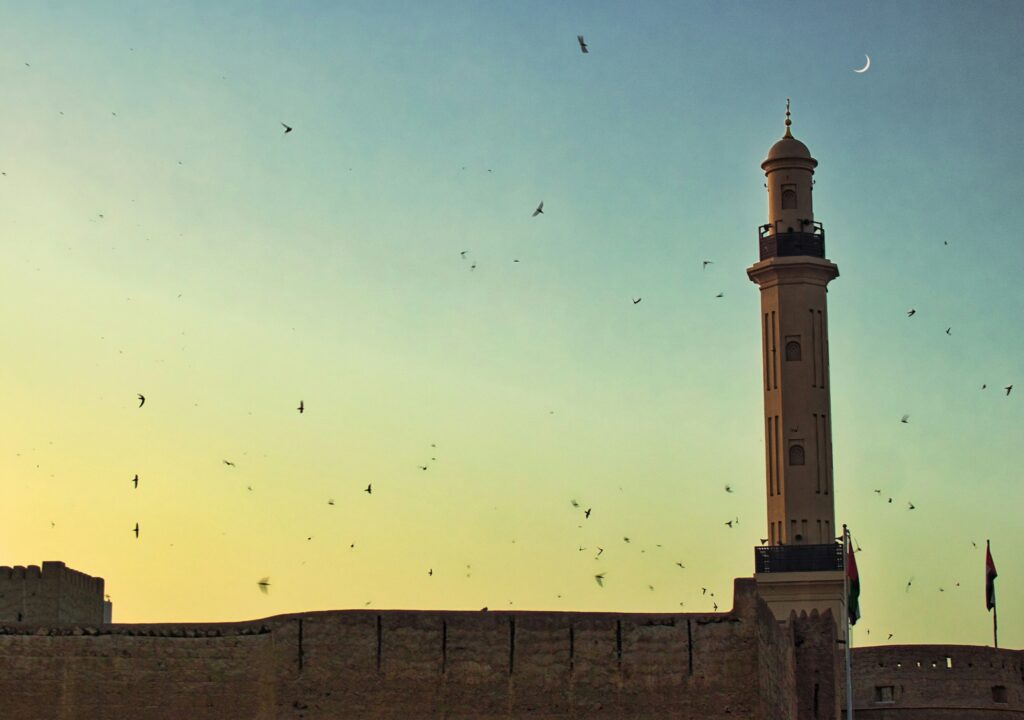
During Ramadan, Muslims fast from dawn until sunset. This means:
- No eating
- No drinking (not even water)
- No smoking
- Avoiding negative behavior such as anger, gossip, and arguments
In a hot country like the United Arab Emirates, fasting can be physically challenging. For Filipinos living or working in Dubai, understanding Ramadan is not just about courtesy—it is essential for daily life, workplace harmony, and cultural respect.
1. Learn the basics of Ramadan
Before Ramadan begins, it helps to understand what it means and why it is important. Knowing the purpose behind the practices makes it easier to respect them.
Why this matters:
When you understand Ramadan, you are less likely to unintentionally offend someone and more likely to build trust with Muslim employers, colleagues, and friends.
How to do it:
- Read short articles or watch videos about Ramadan and Islamic practices.
- Ask a Muslim friend politely: “Can you share what Ramadan means to you?”
- Observe how people behave during the first few days of Ramadan.
Most Muslims are happy to explain their traditions and appreciate the effort when non-Muslims show interest and respect.
2. Greet Muslims warmly
Simple greetings during Ramadan can make a big difference. You can say:
- “Ramadan Mubarak” (Blessed Ramadan)
- “Ramadan Kareem” (Generous Ramadan)
These greetings show that you recognize and respect the holy month.
Example:
A Filipino worker greeting their Muslim employer with “Ramadan Kareem” on the first day of Ramadan may receive a warm smile and appreciation. It is a small gesture that builds goodwill and respect.
3. Remember: non-Muslims do not need to fast
Filipinos are not required to fast during Ramadan, but they must be mindful of those who are fasting.
What to avoid:
- Eating or drinking in front of fasting Muslims during daylight hours
- Holding a water bottle or coffee cup while talking to them
- Chewing gum in public
What you can do:
- Eat and drink in designated areas such as staff rooms, pantries, or closed offices.
- Drink discreetly and avoid making it obvious in front of fasting colleagues.
- Be sensitive when scheduling coffee breaks or meals around fasting times.
Example:
A Filipino domestic helper should avoid drinking water in front of their employer while cleaning or cooking during the day. This simple act shows respect for the employer’s fast.
4. Be extra considerate with work tasks
Fasting can make people feel tired, dehydrated, or lightheaded, especially in hot climates and physically demanding jobs.
How you can help:
- Avoid assigning or requesting very strenuous tasks from fasting colleagues if you are in a position to decide.
- Offer help when you see someone struggling with heavy work.
- Be patient if someone seems slower or more tired than usual in the late afternoon.
Example:
In a hotel or restaurant, a Filipino worker might offer to handle more physically demanding tasks in the late afternoon while their fasting co-worker focuses on lighter duties.
5. Respect gender boundaries
In many Muslim cultures, especially during Ramadan, modesty and respectful distance between men and women are emphasized.
What this means:
- Avoid unnecessary physical contact with the opposite sex.
- Avoid prolonged or intense eye contact.
- Keep conversations professional and respectful.
Example:
A male Filipino worker should avoid casually touching a female Muslim colleague’s arm or shoulder, even as a friendly gesture. A female Filipino worker should also be mindful of physical distance with male Muslim colleagues.
6. Do not disturb their rest
Many Muslims adjust their sleep schedule during Ramadan. They wake up early for Suhoor (pre-dawn meal) and stay up late for prayers and family gatherings.
What you may notice:
- They may nap more during the day.
- They may be quieter or more tired in the afternoon.
- They may prefer resting during breaks instead of socializing.
How to be respectful:
- Avoid loud noises during their rest times if you live or work in the same space.
- Do not schedule unnecessary meetings or tasks very early in the morning if you can avoid it.
- If you are a live-in worker, avoid vacuuming or doing noisy chores while they are sleeping.
Example:
A Filipino nanny should avoid waking the family during their afternoon nap unless it is truly urgent. Rest is one way they cope with the physical demands of fasting.
7. Be mindful in public spaces
Dubai and other Gulf countries enforce certain rules during Ramadan that apply to everyone, including non-Muslims.
Common public guidelines:
- Eating, drinking, or smoking in public during fasting hours is restricted or prohibited.
- Loud music is discouraged, especially near mosques or public areas.
- Public displays of affection should be avoided.
- Modest clothing is expected—shoulders and knees should be covered.
Example:
In malls, food courts may be closed during the day or have covered areas where non-Muslims can eat discreetly. As a Filipino worker or resident, you should follow these rules to avoid fines or complaints.
8. Participate respectfully in Iftar if invited
Iftar is the evening meal where Muslims break their fast at sunset. Being invited to Iftar is a sign of trust and friendship.
How to behave:
- Arrive on time or a little early.
- Dress modestly and neatly.
- Wait for your host to start eating before you begin.
- Try the food, even if just a small amount, to show appreciation.
Example:
A Filipino caregiver invited to Iftar by the family should wait until the family breaks their fast with dates and water before eating. This shows respect for their religious practice.
9. Avoid negative behavior
Ramadan is a month of spiritual discipline. Muslims try to avoid:
- Gossip
- Arguments
- Anger
- Impulsive or rude behavior
Non-Muslims are not required to follow these rules, but it is respectful to align your behavior with the spirit of the month.
Example:
Avoid complaining loudly at work, arguing with co-workers, or making jokes about fasting. Keeping a calm and respectful attitude is appreciated.
10. Be patient—everything slows down during Ramadan
During Ramadan, working hours, traffic patterns, and business operations often change.
What to expect:
- Shorter working hours in many offices and government agencies.
- Busy roads and shops just before and after sunset.
- Slower customer service during late afternoon when people are tired.
Example:
A Filipino working in retail may notice fewer customers in the morning but a big rush after sunset. Planning your tasks and expectations around these patterns helps reduce stress.
11. Show kindness—it matters most during Ramadan
Ramadan is also a month of generosity, charity, and compassion. Small acts of kindness are highly valued.
Ways Filipinos can show kindness:
- Offer help to fasting colleagues with heavy tasks.
- Be patient if someone is slower or more tired than usual.
- Avoid complaining about schedule changes or shorter breaks.
- Respect prayer times and give space when someone needs to pray.
Example:
A Filipino office worker who offers to cover a task for a fasting colleague near the end of the day shows deep respect and earns trust and appreciation.
Final thoughts
Ramadan is not just a religious event—it is a season of discipline, reflection, and kindness. For Filipinos living or working in Dubai and other Gulf countries, understanding Ramadan is a sign of respect and cultural intelligence.
By being sensitive, patient, and considerate, you avoid misunderstandings and build stronger relationships with your Muslim employers, colleagues, and friends. Simple actions—like greeting “Ramadan Mubarak,” avoiding eating in public, and respecting rest and prayer times—show that you honor their faith and traditions.
Respect their beliefs, honor their practices, and embrace the spirit of Ramadan with an open heart. In doing so, you not only adapt better to life abroad—you also grow in understanding, empathy, and mutual respect.
