The medical exam is a non-negotiable step for most Overseas Filipino Workers, required by foreign employers and host governments to confirm you are healthy enough for your job and not carrying communicable diseases.
It is also your early warning system for personal health issues, letting you address them at home where support is close. This guide breaks down the process step by step, debunks myths, and shares preparation tips so you can approach it with confidence.
Why the medical exam is required
Host countries and employers mandate pre‑employment medicals to protect workplace safety, public health, and your own ability to perform duties abroad. Philippine regulations reinforce this through accredited clinics that issue clearances valid only for a limited time (often 6 to 12 months, depending on the country). Failing to pass can delay or derail your deployment, but it is designed as a safeguard, not a barrier.
Step 1: Pre‑screening and registration
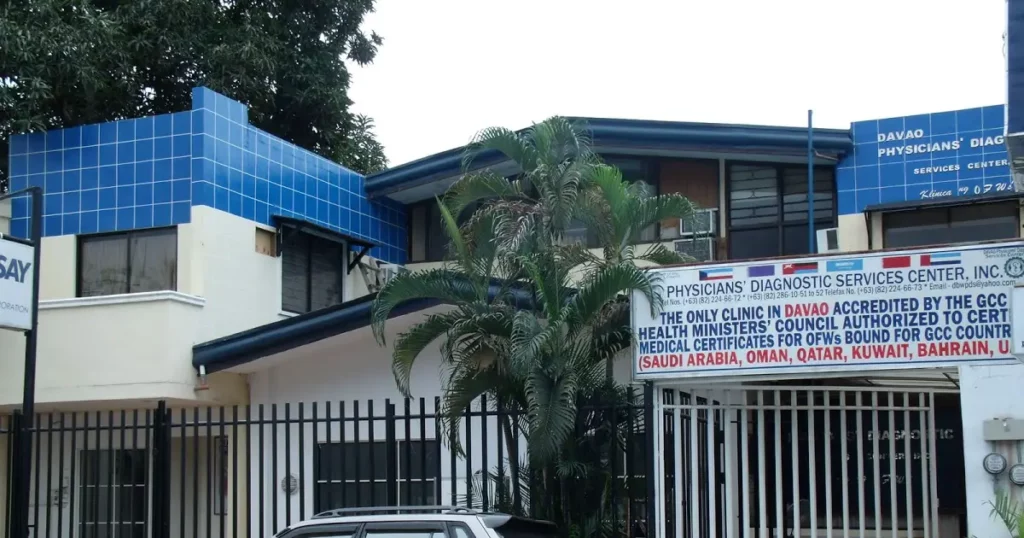
Your first stop is the front desk of an accredited clinic, where staff verify your passport or ID, job offer letter, and agency referral. They confirm the specific requirements for your destination and role, then have you complete forms disclosing health history, medications, and allergies. You receive a checklist or card stamped at each station to track progress.
Incomplete paperwork can cause delays, so arrive with all required documents printed and organised. Clinics often brief you on fasting rules or sample collection before tests begin.
Step 2: Basic physical exam
A nurse or doctor records your vitals—height, weight, blood pressure, pulse, temperature—and conducts a vision and sometimes hearing test. A medical interview follows, covering chronic conditions, surgeries, allergies, and current medications. Be fully honest: undisclosed issues can invalidate your clearance or cause problems abroad.
This stage flags immediate concerns and sets the baseline for your fitness for work.
Step 3: Blood tests
A technician draws blood from your arm for lab analysis, screening for infectious diseases like hepatitis B/C, HIV, syphilis, and general health markers such as blood sugar, cholesterol, hemoglobin, and cell counts. Fasting may be required for accurate glucose or lipid results.
The process is quick and follows strict hygiene standards. Results help detect conditions that could affect your job or health overseas.
Step 4: Urine and stool samples
In a private area, provide a urine sample to check kidney function, infections, diabetes indicators, or drug use (if required). Stool samples screen for parasites or blood. Follow instructions precisely—some clinics need urine before eating, and stool may require home collection.
These tests are standard for hygiene and infectious disease prevention.
Step 5: Chest X‑ray
A technician takes a quick chest image to screen for tuberculosis or other lung issues. Stand against the plate, hold your breath briefly, and remove metal objects. A radiologist reviews the image for abnormalities.
This is one of the most common requirements, as many countries prioritise respiratory health.

Step 6: Dental check
For some jobs or countries, a dentist inspects for cavities, gum disease, or untreated issues. Problems may need treatment before clearance, preventing painful (and expensive) issues abroad.
Step 7: Psychological assessment
Complete a questionnaire or interview assessing stress coping, mental health history, and emotional readiness. It screens for conditions that could impair work or safety, not everyday homesickness.
Honesty here ensures you have resources if needed overseas.
Step 8: Specialised tests (if required)
Depending on your job, age, sex, or destination, additional exams may include:
- Pregnancy test for women of childbearing age.
- Drug screening via urine or blood.
- ECG for heart function, especially in demanding roles or for older workers.
- Mammogram or Pap smear for women.
- Detailed eye or hearing tests for specific occupations.
For example, many host countries restrict the deployment of pregnant workers due to the physical nature of the work or lack of maternity coverage for short-term contracts. Also, ECG is utilized to detect underlying heart conditions that could be aggravated by high-stress environments or extreme physical exertion such as oil rig workers and construction laborers.
Results are bundled into your final clearance. If issues arise, clinics guide you on retests or treatment.
Common myths about the medical exam
Social media stories fuel unnecessary fear, but here is the reality:
Myth: Minor illnesses mean automatic failure.
Fact: Treatable conditions like controlled hypertension or past infections are often cleared after management; only severe, untreated, or contagious issues block deployment.
Myth: Tests are impossibly strict.
Fact: Examiners focus on job‑relevant risks; reasonable health passes.
Myth: Positive results ban you forever.
Fact: Most issues allow retesting after treatment; appeals and second opinions exist.
Myth: Psych tests are unbeatable.
Fact: They screen for extremes, not normal stress.
How to prepare for success
Treat the exam like a health investment:
- Get 7–8 hours of sleep beforehand.
- Stay hydrated but fast if instructed.
- Eat balanced meals low in fat/sugar; avoid alcohol or heavy exertion days prior.
- Continue prescribed medications and disclose them.
- Bring a companion for support if allowed.
- Arrive early with all documents.
What if you don’t pass the medical examination?
Failure is rarely final:
- Retesting: Common after treating issues like high blood pressure or infections.
- Follow‑ups: Specialist referrals or confirmation tests.
- Appeals: Challenge inaccurate results through clinic or agency processes.
- Treatment first: Address dental, chronic, or minor issues, then reapply.
- Severe disqualifiers like active TB are uncommon but treatable; use the time to improve your health.
The medical exam is a gateway to safer, healthier work abroad—not a hurdle to dread. Approach it with preparation, honesty, and the mindset that it protects you, your family, and your future employer. Thousands pass every month; with the right steps, you can too.