- Filipino money habits reflect community, trust, and resourcefulness rather than financial irresponsibility.
- Foreigners often misunderstand these practices, but they are survival strategies built around family support.
- Digital tools in 2026 are transforming old financial habits like paluwagan and tingi into modern apps and systems.
- Each habit reveals deeply rooted Filipino values such as generosity, gratitude, and optimism.
- These habits help OFWs manage money abroad while staying connected to family and culture.
Introduction
The Philippines stands at a crossroads between traditional, community-based money systems and fast-moving digital finance. For foreigners, Filipino saving and spending behaviors can look chaotic. But for Filipinos—especially working-class families and overseas workers—these habits are not random; they’re clever, trustworthy systems built out of necessity.
If you’ve ever been questioned by a foreign colleague about why Filipinos still use cash or prefer to “treat” friends despite tight budgets, this guide will help you explain the cultural logic behind these habits. Here are seven Filipino money habits that continue to surprise foreigners—and the timeless values they represent.
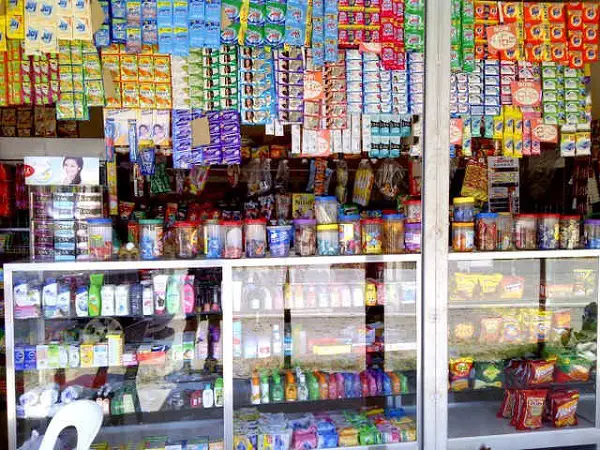
The “tingi” or sachet culture
The habit: Buying items in the smallest possible quantities—single-use sachets of shampoo, one stick of cigarette, a single sachet of laundry soap.
Why it surprises foreigners: It looks more expensive per use, which confuses people who prefer buying in bulk.
The reality: This is budgeting in real time. Filipinos working with day-to-day earnings buy only what they can afford that day, ensuring they can still cover transport or meals.
Real-life example: Liza, an OFW in Bahrain, remembers her mother back home buying cooking oil “tingi” style from a neighborhood store. Even now, living abroad, she unconsciously buys smaller packs of household items because it feels safer—no need to tie up too much money at once. For her, small-size buying remains a kind of emotional budgeting learned from home.
| Buying Style | Common Among | Goal |
|---|---|---|
| Tingi (sachet buying) | Low to middle-income Filipinos | Control daily spending |
| Bulk buying | Higher earners, foreigners | Save in the long run |
Paluwagan (the rotating savings pot)
The habit: A small group of people contribute fixed amounts regularly, and one member receives the full “pot” each round.
Why it surprises foreigners: There’s no written contract, no interest, and significant risk if one person defaults.
The reality: Paluwagan thrives on social accountability and shared trust. It’s not just about money—it’s about community discipline and emotional motivation.
Real-life example: Mark, a nurse in Saudi Arabia, joins a digital paluwagan with six other OFWs. Each month, ₱5,000 is automatically deducted from their salary and transferred into a shared fund through GCash. When Mark’s turn arrives, he uses his payout to send home his family’s tuition fees. The paluwagan keeps him saving, especially when temptation to overspend is high.
“Libre” culture (treating others when you succeed)
The habit: Whenever someone receives a promotion, bonus, or blessing, they buy food or coffee for friends, family, or colleagues.
Why it surprises foreigners: In many cultures, friends usually treat the person being celebrated, not the celebrant themselves.
The reality: It’s a social investment. Generosity maintains good relationships, which later serve as emotional or even financial support during tough times.

Real-life example: When Ana, an OFW in Singapore, got promoted from cleaner to supervisor, she treated her whole crew to lunch at Lucky Plaza. Her foreign coworker was puzzled, asking, “Shouldn’t they treat you instead?” Ana laughed, explaining, “This is how I share my blessing. When my team wins, I win.” Months later, when her mother fell ill, the same coworkers helped organize a fundraising drive—proof that generosity comes full circle.
Abot-kaya or installment culture (“pahulugan”)
The habit: Paying in small, manageable installments instead of lump-sum payments.
Why it surprises foreigners: They focus on total costs and interest rather than short-term affordability.
The reality: Installments make quality products accessible to households with tight cash flow. It’s about progress without delay.
Real-life example: Joel, a seafarer, bought a refrigerator for his parents in Cebu through a local store’s ₱1,200 weekly “pahulugan” plan. His British shipmate asked why he didn’t save and buy later. Joel explained that the fridge was needed immediately to preserve food—and that the small weekly payments were easier to handle than one big expense. For him, affordability isn’t just math—it’s timing.
| Payment Style | Example | Benefit |
|---|---|---|
| Full payment | Buy appliance with cash | No interest, cheaper long-term |
| Installment plan | Pay ₱500 weekly for 3 months | Immediate ownership, flexible budget |
The “sandwich generation” remittance
The habit: Working adults supporting both their parents and younger siblings while raising their own families.
Why it surprises foreigners: In many countries, financial independence starts at 18.
The reality: Filipino families operate on shared responsibility. Children “pay it forward” because parents often sacrifice everything for their education.
Real-life example: Maricel, a domestic helper in Hong Kong, sends 60% of her salary home—to her retired parents and two brothers in college. When her employer asked why she doesn’t save more for herself, she said, “My parents invested in me first. This is my return.” While foreigners may see this as a burden, for Maricel, it’s love expressed through money.
| Support Type | Typical Example | Effect |
|---|---|---|
| Parental allowance | Monthly funds for bills or medication | Strengthens family ties |
| Siblings’ tuition support | OFW pays college tuition | Ensures education continuity |
New Year “money magnet” traditions
The habit: Wearing polka dots, keeping coins in pockets, and displaying twelve round fruits to attract prosperity every New Year’s Eve.
Why it surprises foreigners: It looks like superstition mixed with religion.
The reality: It’s optimism made visible—symbols that express the Filipino belief that hope and hard work attract blessings.
Real-life example: During New Year 2026, Danilo, an OFW electrician in Melbourne, joined a barbecue party with friends from different countries. They were amused when he distributed coins to put in their pockets “for good luck.” By midnight, everyone was laughing and joining the fun. For Danilo, it wasn’t about magic; it was about beginning the year with joy and positivity—a financial mindset wrapped in tradition.
The 5/6 lending system
The habit: Borrowing ₱5 and repaying ₱6 the next day, a 20% interest rate.
Why it surprises foreigners: The rate feels exploitative by any formal banking standard.
The reality: For small vendors without access to credit, this microloan is sometimes the only option for same-day capital.
Real-life example: In a market in Batangas, Aling Mirna borrows ₱500 each morning from a neighborhood lender to buy vegetables for her stall. By evening, after earning ₱800, she pays back ₱600 and keeps ₱200 profit. A foreign tourist once told her that the interest was “too high.” She simply smiled and said, “Banks don’t open before sunrise.” It’s not ideal—but it’s practical survival.
The 2026 financial shift
Filipino money habits are rapidly evolving. The principles of trust and community remain, but digital tools have simplified how they work.
- Digital paluwagan: Groups now use e-wallets like GCash and Maya to track contributions and automatically distribute funds—reducing mistrust and delays.
- E-commerce tingi: Shopee and Lazada now offer mini-bundles of essentials, letting low-income users enjoy the tingi lifestyle online.
- Cashless 5/6 alternatives: Microfinance fintechs are experimenting with same-day digital lending, reducing dependence on neighborhood loan sharks.
- Automated budgeting: Many OFWs split remittances into categories like “family fund,” “savings,” and “emergency” before sending, avoiding emotional overspending.
These tools don’t replace traditional values—they amplify them, helping Filipinos stay practical while embracing safer, traceable methods.
Common challenges and practical solutions for OFWs
- Challenge: Pressure to maintain “libre” culture abroad. Solution: Celebrate smartly—organize simple potlucks or small coffee treats that show appreciation without overspending.
- Challenge: Balancing family remittances and personal savings. Solution: Automate fixed monthly remittances and keep a separate savings account that isn’t accessible for impulsive transfers.
- Challenge: Missing group-saving motivation. Solution: Join credible online paluwagan communities or start one among trusted OFW colleagues using a shared e-wallet tracker.
Managing money abroad doesn’t mean abandoning local habits—it means blending tradition with technology in a disciplined, balanced way.
Conclusion
Filipino money habits have survived generations because they meet real-world needs. From sachet buying to family remittances, these practices show how Filipinos transform limited income into shared security. What foreigners see as strange is often a form of quiet genius—an entire culture using creativity and community to stretch every peso.
As more OFWs use digital tools to manage finances, these traditions will keep evolving. But the heart of Filipino financial culture will always remain the same: where trust, gratitude, and hope guide every financial decision.
FAQ: Filipino Money Habits
1. Why do Filipinos prioritize family expenses?
Filipino culture places strong value on family support. Many Pinoys allocate income to parents, siblings, and relatives before personal savings.
2. Why do Filipinos struggle with saving money?
Low wages, high living costs, and cultural expectations like padala, celebrations, and emergencies make consistent saving difficult.
3. Why do many Filipinos rely on utang?
Utang is often used to bridge income gaps, cover emergencies, or fund daily needs. It’s also culturally normalized through 5-6, paluwagan, and store credit.
4. What is the “bahala na” attitude in money management?
It’s a mindset of dealing with financial problems later instead of planning ahead. This often leads to overspending and lack of emergency funds.
5. Why do Filipinos love installment plans?
Installments make big purchases feel affordable. Appliances, gadgets, and furniture are commonly bought through “hulugan” or 0% credit card plans.
6. Why do OFWs often return home without savings?
High remittance obligations, lifestyle inflation, and lack of long-term planning can drain income despite earning more abroad.
7. What positive money habits do Filipinos have?
Filipinos excel at resourcefulness, budgeting through envelope systems, and supporting family goals like education and home building.
8. How can Filipinos improve their financial habits?
Track expenses, build an emergency fund, avoid unnecessary utang, invest early, and set clear financial boundaries with family.