Summary
- RN, LPN/RPN, and CNA roles abroad offer different salaries, responsibilities, and visa pathways for Filipino workers.
- Filipino nurses with a BSN can enter at any tier, but long-term migration outcomes vary significantly.
- RNs earn the highest salaries and have the strongest residency pathways, while CNAs offer the fastest deployment.
- Your ideal path depends on your budget, English level, family plans, and how quickly you need to migrate.
- This guide helps Filipinos choose the role that aligns with their goals in 2026 and beyond.
Why this choice matters for Filipinos
Many Filipinos dream of working abroad in healthcare—whether they are fresh BSN graduates, OFWs shifting careers, or workers from factories, hotels, and retail looking for better paying prospects. But nursing roles abroad are not all the same. The title you choose—RN, LPN/RPN, or CNA—will shape your salary, visa options, and how quickly you can bring your family overseas.
Visa rules in the United States, United Kingdom, and Canada have become more structured. Governments now prioritize applicants who can fill long-term shortages. At the same time, the Filipino BSN degree remains globally respected, giving Filipinos an advantage regardless of which tier they start in.

This guide breaks down the three main nursing tiers so you can choose the path that fits your budget, education, and long-term migration goals.
The global healthcare landscape in 2026
The shift in visa requirements
Countries facing nurse shortages have tightened their rules to prioritize applicants who can stay long term. For example:
- The United States continues to prioritize RNs for EB-3 immigrant visas.
- The UK and Canada focus on roles listed under their official shortage occupation lists.
The Filipino BSN advantage
Even if you start as a CNA or LPN, having a BSN from the Philippines gives you a strong foundation. Employers know Filipino nurses are trained in English, used to high patient loads, and experienced in busy hospital environments.
From “just a job” to “securing a future”
Many Filipinos accept the first overseas job they see just to leave the country. But if your goal is permanent residency or bringing your family abroad, you need to choose your entry role strategically.
Tier 1: The “architect” — Registered Nurse (RN)
Role and responsibilities
RNs are the architects of patient care. They perform high-level assessments, create care plans, coordinate with doctors, supervise teams, and advocate for patient safety.
Education and licensing
To work as an RN abroad, Filipinos typically need:
- A 4-year BSN degree
- A valid Philippine PRC RN license
- A country-specific licensing exam
The 2026 licensing roadmap
- United States: Next-Gen NCLEX-RN + CGFNS VisaScreen
- UK/Ireland: CBT + OSCE
- Australia/New Zealand: Outcome-Based Assessment (OBA)
Migration power and salary
RNs have the strongest migration power. They are often eligible for permanent visas and can usually bring their spouse and children immediately.
| Country/Region | Approximate annual RN salary (USD) |
|---|---|
| United States | 75,000 – 115,000 |
| United Kingdom | 45,000 – 70,000 |
| Canada | 70,000 – 100,000 |
Daily life example
A Filipino RN in a US hospital manages 4–5 patients, leads huddles, supervises CNAs, and coordinates with doctors. The work is demanding, but the salary allows her to support her family and save for the future.
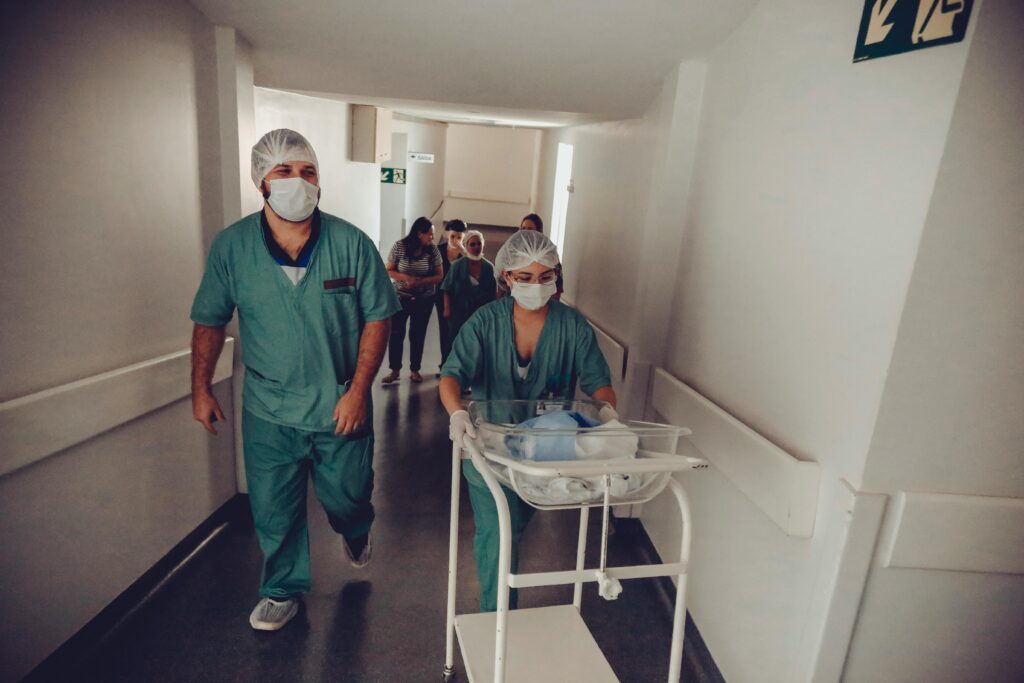
Tier 2: The “bridge” — Licensed Practical Nurse (LPN) / Registered Practical Nurse (RPN)
Role and responsibilities
LPNs and RPNs provide technical bedside care, administer medications, perform wound care, and report patient changes to RNs and doctors.
Why Filipino RNs start as LPNs
Many Filipino nurses choose the LPN/RPN route because:
- Licensing exams like NCLEX-PN or REx-PN are faster to schedule.
- Deployment is often quicker.
- Canada offers bridging programs to convert RPNs into full RNs.
Licensing and salary
Requirements usually include passing NCLEX-PN or REx-PN and meeting moderate English requirements.
| Role | Approximate annual salary (USD) |
|---|---|
| LPN/RPN | 55,000 – 75,000 |
Daily life example
A Filipino RN from Manila moves to Canada as an RPN. She works in long-term care, administers medications, and studies part-time in a bridging program to become a full RN.
Tier 3: The “frontline” — Certified Nursing Assistant (CNA) / Caregiver
Role and responsibilities
CNAs and caregivers focus on activities of daily living such as bathing, feeding, mobility, and emotional support. They are essential in nursing homes, home care, and long-term care facilities.
Entry path and opportunities
Filipinos typically need:
- NC II Caregiving Certificate (TESDA) or a 6-month caregiving course
- Basic English proficiency
Countries like Israel, Japan, and Germany offer direct-hire pathways with subsidized language training.
Migration reality and salary
CNA roles often come with renewable work permits and limited family sponsorship options, though Canada offers caregiver-to-PR pathways.
| Role | Approximate annual salary (USD) |
|---|---|
| CNA / Caregiver | 30,000 – 45,000 |
Daily life example
A former factory worker retrains as a caregiver and moves to Israel. She assists elderly clients with daily tasks and earns more than she did in manufacturing, while gaining experience for future migration to Canada.
Strategic comparison: Which path fits you?
Salary and financial commitment
| Tier | Role | Annual salary (USD) | Upfront cost | Time to deploy |
|---|---|---|---|---|
| Tier 1 | RN | 75,000 – 115,000 | High (₱200,000–₱400,000) | 1–2 years |
| Tier 2 | LPN/RPN | 55,000 – 75,000 | Moderate | 6–18 months |
| Tier 3 | CNA/Caregiver | 30,000 – 45,000 | Low (₱30,000–₱70,000) | 3–9 months |
English proficiency expectations
- High (IELTS 7.0+): Required for RN roles in the UK, Australia, and Canada.
- Moderate (IELTS 5.5–6.0): Often acceptable for CNA and some LPN pathways.
Family reunification
- RN/LPN: Many visas allow immediate sponsorship of spouse and children.
- CNA: Some programs require work experience or provincial nomination before family sponsorship.
The “evergreen” advice: Choose your timeline
The fast route
Choose CNA or caregiver if you need to leave the Philippines quickly, have limited savings, or want to gain foreign experience before upgrading.
The stable route
Choose LPN/RPN if you want to work in Canada or the US and prefer a balanced path where you can study while working.
The ultimate goal
Choose RN if you want the highest salary, full clinical autonomy, and the strongest path to permanent residency and citizenship.
Conclusion
RN, LPN/RPN, and CNA roles are not just job titles. They are steps on a ladder that can lead to financial stability, permanent residency, and a better life for your family. Whether you start as a caregiver, an LPN, or go straight for RN, what matters most is having a clear plan.
Your journey abroad is not a race. It is a personal roadmap. Choose the role that fits your situation today—and keep your eyes on the future you are building.