Summary
- Simply being a “general RN” is no longer enough—specialization can boost your salary, visa chances, and career growth.
- ICU, ER, OR, and Ward nursing each attract different personalities, strengths, and long-term goals.
- Choosing the right unit is not just about job openings; it should match your temperament, stress tolerance, and learning style.
- Certain specializations (like ICU and ER) are highly valued in the USA, UK, and Middle East, especially for migration pathways.
- There is no single “best” unit—only the unit where you feel most effective, fulfilled, and ready to grow.
The power of specialization for Filipino nurses
The global nursing landscape is changing. Hospitals abroad are no longer just looking for “any RN.” They are actively searching for nurses with specific unit experience—ICU, ER, OR, and strong medical-surgical backgrounds.
For Filipino nurses who dream of working in the USA, UK, Canada, or the Middle East, specialization is becoming a powerful advantage.
| Specialty | Average Annual Salary (CAD/AUD equivalent) | Specialty Pay/Locum Bonus |
| Nurse Practitioner (NP) | $135,000 – $165,000 | Highest autonomy; full prescription rights |
| ICU / Critical Care | $95,000 – $118,000 | 10–20% higher than Med-Surg base |
| Emergency / ER | $92,000 – $112,000 | Significant “overtime” and “shift-loading” |
| Theatre / OR | $90,000 – $110,000 | Frequent “On-Call” allowances |
| General Med-Surg | $75,000 – $88,000 | Standard award rates |
Specialization in nursing practice can:
- Increase your salary and access to specialty pay
- Make your NCLEX-RN and international exams feel more manageable
- Strengthen your visa applications and employer interest
- Open doors to advanced roles like Nurse Practitioner, CRNA, or Clinical Nurse Specialist
But specialization is not just a strategy—it is also personal. The unit you choose should fit your personality, not just your resume. Some nurses love the quiet intensity of the ICU, others thrive in the chaos of the ER, while some prefer the structured teamwork of the OR or the social, busy environment of the ward.
This guide will help you understand each major unit, compare them, and reflect on where you might truly belong.
The intensive care unit (ICU): The meticulous specialist
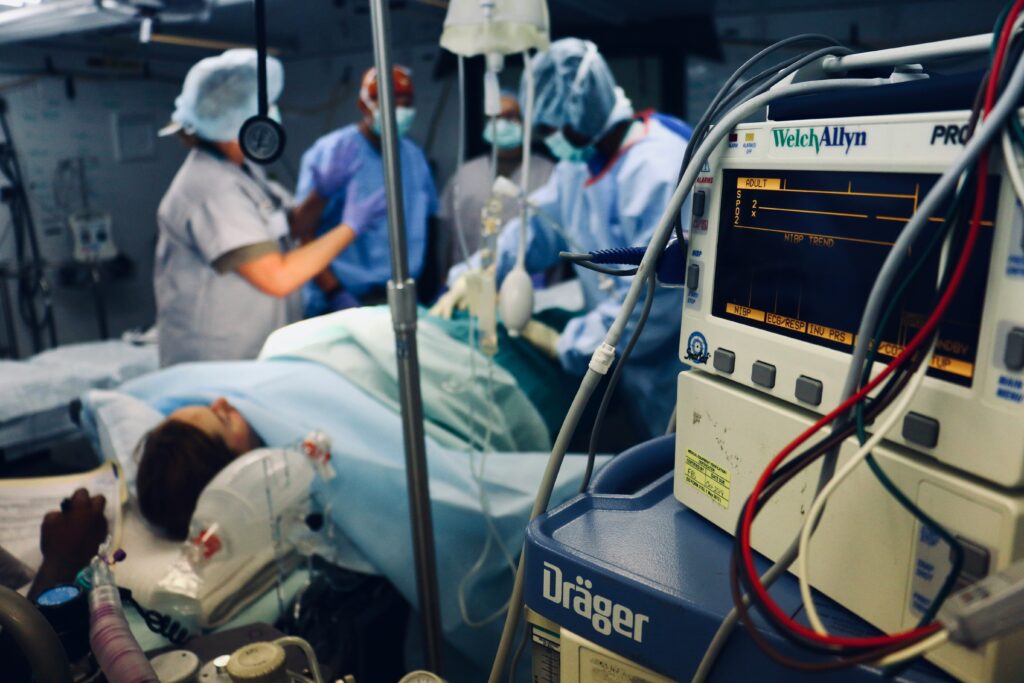
The ICU is where the sickest patients are cared for—those on ventilators, multiple drips, and complex machines. It is a high-tech, high-responsibility environment.
The vibe
- Generally quiet, controlled, and highly structured
- Lights dimmed, alarms beeping, monitors everywhere
- Fewer patients, but each one is critically ill
Patient ratio
- Often 1:1 or 1:2
- You know every detail about your patient: labs, ventilator settings, fluid balance, and more
Best for nurses who:
- Enjoy understanding the “why” behind every intervention
- Like titrating drips, analyzing ABGs, and adjusting settings based on subtle changes
- Prefer depth over breadth—fewer patients, but more complex care
The Filipino career path
ICU experience is highly valued abroad. It can be a stepping stone to:
- CRNA (Certified Registered Nurse Anesthetist)
- Nurse Practitioner roles
- Critical care specialist positions in the USA, UK, and Middle East
If you see yourself in advanced practice roles later, ICU is a strong foundation.
The emergency room (ER): The adrenaline junkie
The ER is where everything unpredictable happens—trauma, cardiac arrests, accidents, and walk-in complaints. It is fast, intense, and constantly changing.
The vibe
- “Controlled chaos”
- You never know what will come through the door next
- Noise, movement, and constant decision-making
The skill set
- Rapid triage and prioritization
- Stabilizing patients quickly
- Thinking clearly under pressure
- Communicating with doctors, families, and multiple departments at once
Best for nurses who:
- Thrive in fast-paced environments
- Get bored with routine and prefer variety
- Enjoy short, high-impact interactions rather than long-term patient relationships
The challenge
- High risk of burnout
- Emotional exposure to trauma, death, and difficult cases
- Requires strong mental resilience and healthy coping strategies
ER experience is highly respected abroad, especially for roles in trauma centers, urgent care, and flight nursing.
The operating room (OR): The precision partner
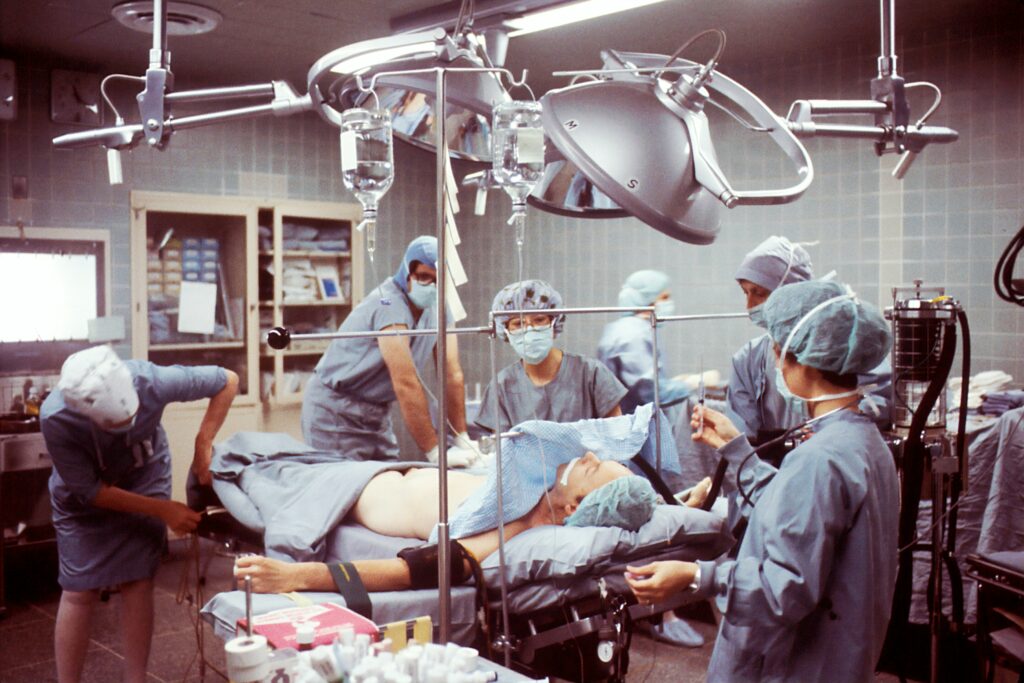
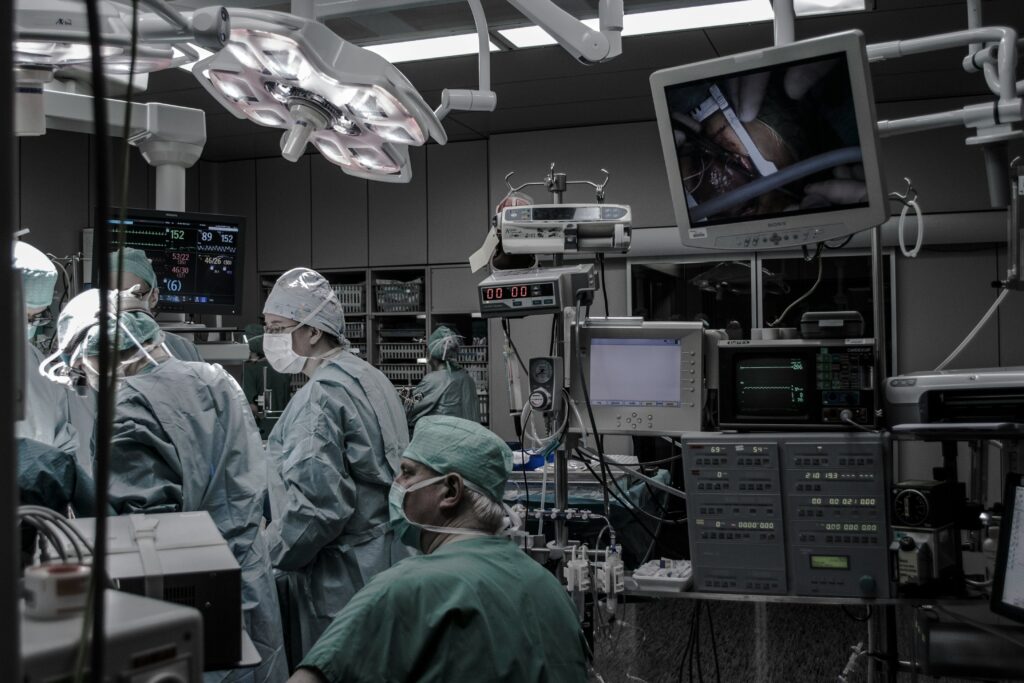
The OR is where surgical procedures happen. It is a world of sterile fields, instruments, and teamwork.
The vibe
- Sterile, disciplined, and protocol-driven
- Clear roles and routines
- Focused on procedures rather than continuous bedside care
The roles
- Scrub nurse: Works in the sterile field, passes instruments, anticipates surgeon needs
- Circulating nurse: Manages the room, documents, coordinates with other departments, ensures safety
Best for nurses who:
- Prefer procedural work over traditional bedside nursing
- Are highly organized, detail-oriented, and calm
- Enjoy working closely with surgeons and a fixed team
The advantage
- Less direct patient/family drama—patients are usually under anesthesia
- Clear start and end to cases
- Strong demand abroad in surgical centers and specialty hospitals
OR experience can lead to roles like Surgical First Assistant, OR charge nurse, or perioperative educator.
The medical-surgical ward: The master multitasker
The ward (or medical-surgical unit) is the backbone of the hospital. It is where a wide variety of patients are admitted and cared for.
The vibe
- Busy, social, and dynamic
- You interact with patients, families, doctors, and allied health staff
- Constant movement—medications, rounds, discharges, admissions
Patient ratio
- In the Philippines: often 1:10 to 1:20
- Abroad: typically 1:4 to 1:6, depending on the country and hospital
Best for nurses who:
- Are new graduates building a strong foundation
- Want to see a bit of everything: diabetes, post-op care, infections, wound care, chronic diseases
- Enjoy communication, patient education, and teamwork
Why it is vital
Ward nursing teaches:
- Time management
- Prioritization
- Communication skills with families and doctors
These skills are extremely useful for NCLEX, international exams, and future roles like case management or unit leadership.
Specialization comparison table
| Unit | Pace | Key Skill | Future Abroad Path |
|---|---|---|---|
| ICU | Methodical | Critical thinking and detail orientation | CRNA, Intensivist nurse, Critical care specialist |
| ER | Frantic | Rapid assessment and triage | Flight nurse, Trauma nurse, Emergency specialist |
| OR | Disciplined | Technical precision and teamwork | Surgical first assistant, Perioperative leader |
| Ward (Med-Surg) | Constant | Multitasking and communication | Case manager, Unit manager, Generalist roles abroad |
Critical factors for Filipinos to consider
NCLEX and beyond
Certain specializations can make the NCLEX-RN and other licensing exams feel more familiar:
- ICU and Med-Surg nurses often see a wide range of conditions and complex care, which aligns well with NCLEX content.
- ER and OR nurses may need to review more general medical-surgical topics if they have been in very specialized roles for a long time.
| NCLEX Category (2026) | ICU/Med-Surg Alignment | Why It Helps |
| Management of Care (15-21%) | High | Med-Surg nurses excel here. The NCLEX tests your ability to delegate to LPNs/UAPs and prioritize 4–6 patients—exactly what a Med-Surg nurse does every morning. |
| Physiological Adaptation (11-17%) | Critical | ICU nurses have an edge here. This section covers unstable patients, ventilators, and fluid/electrolyte imbalances—the “bread and butter” of critical care. |
| Pharmacological Therapies (13-19%) | High | Both units provide exposure. You’ll be tested on titration (ICU) and safe administration of common high-risk meds like insulin or anticoagulants (Med-Surg). |
| Reduction of Risk Potential (9-15%) | High | This involves identifying subtle changes in vitals or lab values to prevent “failure to rescue”—a core competency in high-acuity units. |
The breadwinner reality
For many Filipino nurses, the goal is not just professional growth—it is also financial stability.
- ICU and ER roles often come with specialty pay, hazard pay, or higher base rates in international contracts.
- OR and specialized ward roles can also offer higher pay, especially in private or tertiary hospitals abroad.
When comparing offers, look at:
- Base salary
- Specialty or shift differentials
- Overtime policies
- Cost of living in the destination country
Certification requirements
Building your profile with certifications can make you more competitive:
- For ICU: join groups like the Critical Care Nurses Association of the Philippines (CCNAPI) and attend critical care courses.
- For ER: trauma courses and emergency nursing seminars are valuable.
- For OR: perioperative nursing training and certifications are helpful.
- For Ward: advanced cardiac life support (ACLS), basic life support (BLS), and specialty courses (for example, diabetes, wound care) strengthen your resume.
These credentials show employers abroad that you are serious about your specialty.
Daily realities: pros and cons by unit
ICU
- Pros: Deep knowledge, strong critical thinking, high respect, good overseas demand
- Cons: Emotional weight of critical cases, constant vigilance, high responsibility
ER
- Pros: Exciting, varied cases, strong triage skills, valued in trauma centers
- Cons: Burnout risk, emotional stress, irregular schedules
OR
- Pros: Structured environment, clear roles, less family conflict, strong technical skills
- Cons: Less traditional bedside care, long standing hours, strict hierarchy
Ward
- Pros: Broad experience, strong foundation, excellent for new grads and NCLEX prep
- Cons: High patient load (especially locally), heavy documentation, family demands
Conclusion: Trust your instincts and commit to growth
Choosing between ICU, ER, OR, or Ward is not about finding the “best” unit—it is about finding the right unit for you.
A helpful guideline is the 2-year rule: Try to stay at least two years in one area before switching. This allows you to build real competency, gain the trust of your team, and develop a strong, credible experience record for overseas applications.
The timeline of competency: 0 to 24 months
International nurse leadership models, such as Benner’s Novice to Expert framework used by many 2026 Magnet hospitals, suggest that your first two years in a unit follow a specific trajectory:
Months 0–6: The survival phase
You are learning the “how”—where the equipment is, how to use the EMR (Electronic Medical Record), and basic unit protocols.
Months 6–12: The consolidation phase
You start understanding the “why.” You begin to see patterns in patient deterioration before they happen.
Months 12–24: The competency phase
You gain “clinical intuition.” You become the person who can precept new students and the one the team trusts during a crisis. This is the version of “you” that recruiters want to hire.
Exceptions to the Two-Year Rule
If a unit is toxic, unsafe, or lacks the equipment to keep you and your patients safe, the 2-year rule does not apply. Your professional license and mental health are more important than a resume gap. If you must leave early, try to move to a similar unit to keep your ‘Specialty Clock’ ticking.
Remember:
- If you love details and deep monitoring, ICU might be your home.
- If you crave action and variety, ER could be your arena.
- If you enjoy precision and procedures, OR may be your stage.
- If you want a solid foundation and broad exposure, the ward is a powerful starting point.
There is no single correct path. The best unit is the one where you feel most useful, most alive, and most committed to growing—for yourself, your patients, and the family you are working so hard to support.