Summary
- Your first month in Hong Kong will feel fast, overwhelming, and full of new routines.
- Expect cultural differences in the workplace, strict schedules, and a higher cost of living.
- Daily life may feel unfamiliar at first, but Filipinos adjust quickly with the right support.
- Common challenges include homesickness, budgeting, and communication barriers.
- This guide offers practical solutions, real OFW examples, and step-by-step advice.
Introduction
Your first month as an OFW in Hong Kong is a major turning point. The city moves fast, the expectations are high, and the adjustment period can feel intense. Whether you work in domestic service, retail, hospitality, construction, or an office role, the first few weeks will test your patience, discipline, and adaptability. But they will also shape your confidence and independence.
This guide is written for Filipinos in Hong Kong who want clear, friendly, and practical advice. It explains what to expect, how to manage daily life, and how to overcome common challenges. With real OFW examples and simple steps, this article helps you build a strong foundation during your first month abroad.
What Filipinos should expect in their first month
Hong Kong is efficient, structured, and always moving. Your first month may include:
- Fast-paced routines — People walk quickly, trains arrive every few minutes, and workplaces expect punctuality.
- Clear rules and boundaries — Employers follow strict schedules and expect you to do the same.
- Higher cost of living — Food, transport, and rent can feel expensive compared to the Philippines.
- Language adjustments — Cantonese may feel intimidating, but many OFWs learn basic phrases within weeks.
- Weather surprises — Humid summers, cool winters, and sudden typhoon signals are part of daily life.
Requirements and qualifications you will use immediately
Even after arriving, you will rely on the documents and skills you prepared before deployment:
- Passport and Hong Kong ID — Keep them safe and accessible at all times.
- Employment contract — Understand your working hours, rest days, and responsibilities.
- Basic English communication — Essential for interacting with employers, coworkers, and customers.
- Adaptability — The ability to adjust quickly to new routines and expectations.
- Professional attitude — Employers value reliability, honesty, and initiative.
Cost of living insights
Hong Kong is known for its high living costs. Understanding these early helps you budget wisely.
| Expense Category | Estimated Monthly Cost | Notes |
|---|---|---|
| Food | HKD 2,000–3,000 | Cheaper if you cook or buy from wet markets. |
| Transport | HKD 500–800 | Octopus card is essential for MTR and buses. |
| Rent (shared) | HKD 4,000–7,000 | Varies by district; many OFWs share rooms. |
| Phone/Data | HKD 100–200 | Prepaid plans are affordable and reliable. |
Many OFWs send money home even during their first month, so budgeting is important. A simple lifestyle helps you save more while adjusting to your new environment.

Step-by-step guide to surviving your first month
1. Learn your daily route
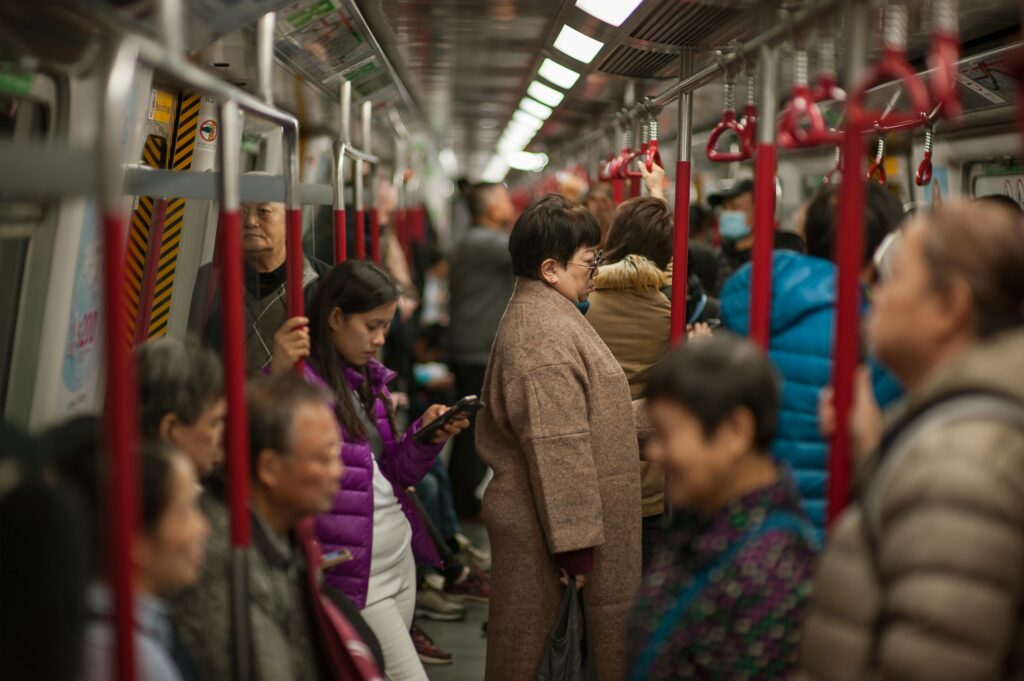
The MTR is fast and reliable, but it gets crowded during rush hours. Practice your route during your first week so you feel confident navigating the city. Knowing which exits to take saves time and reduces stress.
2. Understand your workplace expectations
Different jobs have different routines:
- Domestic workers — Cleaning schedules, cooking routines, and childcare responsibilities.
- Retail staff — Customer service, product knowledge, and long standing hours.
- Hotel employees — Room cleaning standards, front desk protocols, and teamwork.
- Construction workers — Safety rules, protective gear, and physical tasks.
Ask questions early so you understand what your employer expects from you.
3. Build a simple weekly routine
Your first month will feel easier if you create a routine that includes:
- Work schedule
- Meal planning
- Rest day activities
- Budget tracking
- Time for learning Cantonese
4. Connect with the Filipino community
Hong Kong has a strong Filipino community. Many OFWs gather in Central, Victoria Park, and Kowloon on rest days. Joining groups or meeting fellow Filipinos can help you feel supported and less homesick.
5. Learn basic Cantonese phrases
Simple phrases like “hello,” “thank you,” and “excuse me” can make daily interactions easier. Many OFWs learn Cantonese through mobile apps or by practicing with coworkers.
6. Track your expenses
Use a notebook or phone app to record your spending. This helps you avoid overspending during your first month, when everything feels new and exciting.
7. Take care of your physical and mental health
Hong Kong’s fast pace can be tiring. Make time to rest, eat well, and stay hydrated. If you feel overwhelmed, talk to fellow OFWs or join community groups for support.
Daily life and workplace realities
Here are some real-life examples from OFWs during their first month:
- Retail worker in Mong Kok — Adjusted to long hours of standing and learned how to greet customers in Cantonese.
- Domestic helper in Mid-Levels — Learned the employer’s cleaning standards and weekly routines.
- Hotel staff in Tsim Sha Tsui — Practiced folding linens quickly and handling guest requests politely.
- Construction worker in Kowloon Bay — Understood safety rules and the importance of protective equipment.
Pros and cons of your first month
| Pros | Cons |
|---|---|
| High salary compared to the Philippines | High cost of living |
| Efficient transport system | Crowded trains and buses |
| Strong Filipino community | Homesickness during the first weeks |
| Clear work expectations | Strict schedules and fast pace |
Common challenges and practical solutions
Challenge: Homesickness
Homesickness often hits during quiet moments—after work, during meals, or on your first rest day. The unfamiliar environment and distance from family can feel heavy.
Expanded solution: Stay connected with family through scheduled calls, but avoid spending your entire rest day indoors. Explore nearby parks, visit Central or Victoria Harbour, or meet fellow Filipinos. Building small routines outside work helps you feel grounded and less isolated.
Challenge: Language barriers
Cantonese signs, announcements, and conversations can feel overwhelming. Misunderstandings may happen during your first weeks.
Expanded solution: Learn essential phrases like greetings, numbers, and simple instructions. Use translation apps during grocery shopping or commuting. Many OFWs also practice with coworkers who are willing to teach basic words. Small progress builds confidence quickly.
Challenge: Budgeting
The cost of food, transport, and rent can surprise first-time OFWs. Without tracking, expenses can pile up fast.
Expanded solution: Set a weekly spending limit and stick to it. Buy groceries from wet markets instead of convenience stores. Cook simple meals instead of eating out. Use your Octopus card wisely by checking fare discounts. These small habits help you save more during your first month.
Challenge: Workplace pressure
Hong Kong workplaces value speed, accuracy, and professionalism. The pressure to perform well can feel overwhelming.
Expanded solution: Observe how experienced coworkers handle tasks. Take notes on routines, cleaning standards, or customer service scripts. Ask questions politely when unsure. Employers appreciate initiative, and learning early helps you adjust faster.
Conclusion
Your first month as an OFW in Hong Kong will challenge you, teach you, and help you grow. It may feel overwhelming at times, but every day you learn something new—how to navigate the city, how to communicate better, and how to build confidence in your work. With patience, support, and a positive mindset, you will adjust and eventually thrive.
Hong Kong is a place of opportunity, and your first month is just the beginning of a meaningful journey. Stay strong, stay focused, and remember that every OFW who succeeded here once stood exactly where you are now—learning, adapting, and moving forward.
