Summary
- A Typhoon Signal No. 8 (T8) in Hong Kong can stop transport, close offices, and send everyone home for safety.
- Newcomers often feel confused at first, especially when the city suddenly shifts from normal to emergency mode.
- OFWs—from domestic workers to engineers—experience unique challenges during their first T8.
- Preparing a simple survival kit and understanding local rules can make the experience easier.
- Filipinos quickly adapt, especially with the help of community support and group chats.
Introduction: why this matters to Filipinos
For many Filipinos, Hong Kong is a dream destination for work—whether as domestic workers, hotel staff, retail employees at Worldwide Centre, engineers, or IT consultants. But one thing that surprises almost every newcomer is the city’s typhoon system.
In the Philippines, many people grow up with strong storms, but Hong Kong’s typhoon signals follow a different structure. The first time you experience a Typhoon Signal No. 8 (T8), it can feel confusing, overwhelming, and even a little dramatic—especially when the city suddenly slows down and everyone rushes home.
This guide shares what really happens during a T8, what OFWs should expect, and the practical lessons learned the hard way.
Hong Kong typhoon signals explained
Hong Kong uses a numbered warning system to help the public understand the severity of an approaching storm.
- Signal 1 means a tropical cyclone is nearby but not yet dangerous, and people should stay alert.
- Signal 3 indicates strong winds are expected, but most businesses remain open.
- Signal 8 is the major turning point—this means gale-force winds are either happening or expected soon, and the city begins shutting down for safety.
- Higher signals like Signal 9 and Signal 10 are rare and indicate severe or hurricane-force winds.
For OFWs, especially those new to Hong Kong, understanding these levels helps you know when to prepare, when to go home, and when to stay indoors.
The calm before the storm
The “T1” announcement
It usually starts quietly. You are checking your phone during lunch break, and suddenly a small icon appears: T1. The air feels heavier, the humidity changes, and your coworkers start talking about a possible T3 or T8 later.
For newcomers, this is the first sign that the weather might escalate.
The newcomer’s confusion
Most Filipinos admit they did not know the difference between a Signal 3 and a Signal 8 until they experienced it. A domestic worker in Mid-Levels once shared that she thought Signal 3 meant light rain only. Meanwhile, an IT consultant in Quarry Bay said he did not understand why his office suddenly told everyone to prepare laptops for work-from-home.
The atmosphere in the city
There is a unique energy when a typhoon is coming:
- People rushing to supermarkets
- Tape being slapped onto windows
- Long lines at bakeries
- Delivery riders trying to finish orders before the cutoff
It feels like a mix of calm, urgency, and routine—because Hong Kong has gone through this many times.
The “T8” reality: what actually happens
The city stops
Once T8 is officially raised, Hong Kong shifts into safety mode:
- Buses stop operating
- Offices close
- MTR runs limited service
- Ferries shut down
- Schools close
- Outdoor work is suspended
For OFWs working in offices, retail, or hospitality, this usually means going home immediately.
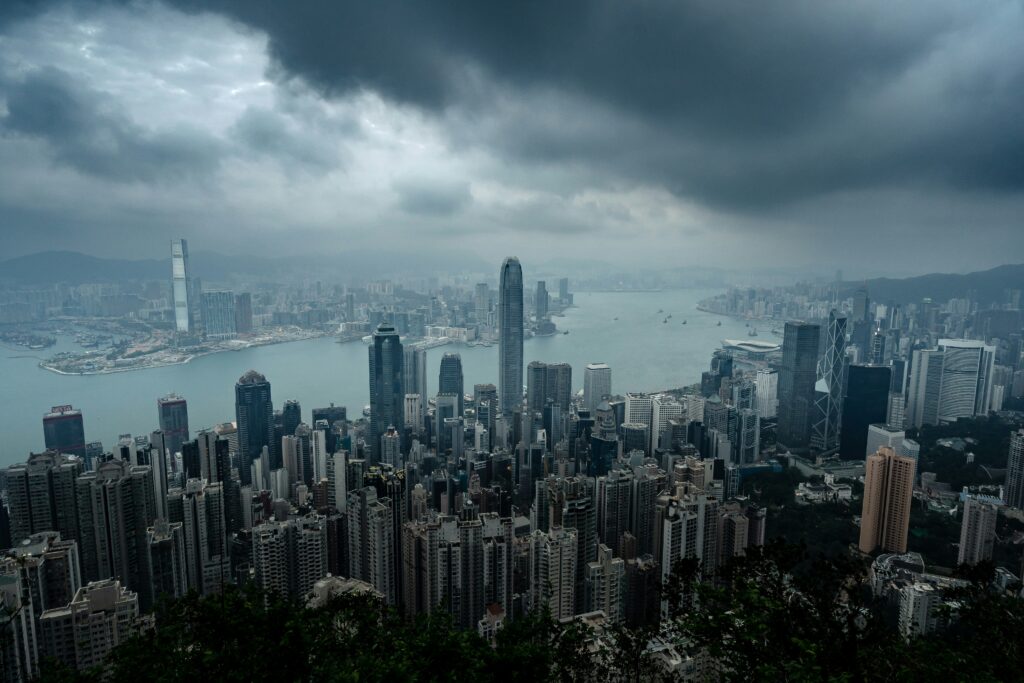
The legal right to go home
Under Hong Kong labor guidelines, once T8 is hoisted, employers are generally required to release staff unless they are essential workers.
This applies to:
- Retail staff
- Office employees
- Hotel workers (with exceptions depending on role)
- Restaurant staff
Domestic workers may still be asked to stay indoors and continue household duties, but they should not be sent outside for errands.
Macau context
Macau follows a similar system, but the rules for business closures and transport shutdowns can differ slightly. Still, the priority remains the same: safety first.
The “panic” at the supermarket
Two hours before T8, something funny happens: all the bok choy, bread, and instant noodles disappear.
Even long-time residents laugh about this. It is not true panic—it is more like a cultural habit. People want comfort food and easy meals in case the power flickers.
Five lessons learned (the hard way)
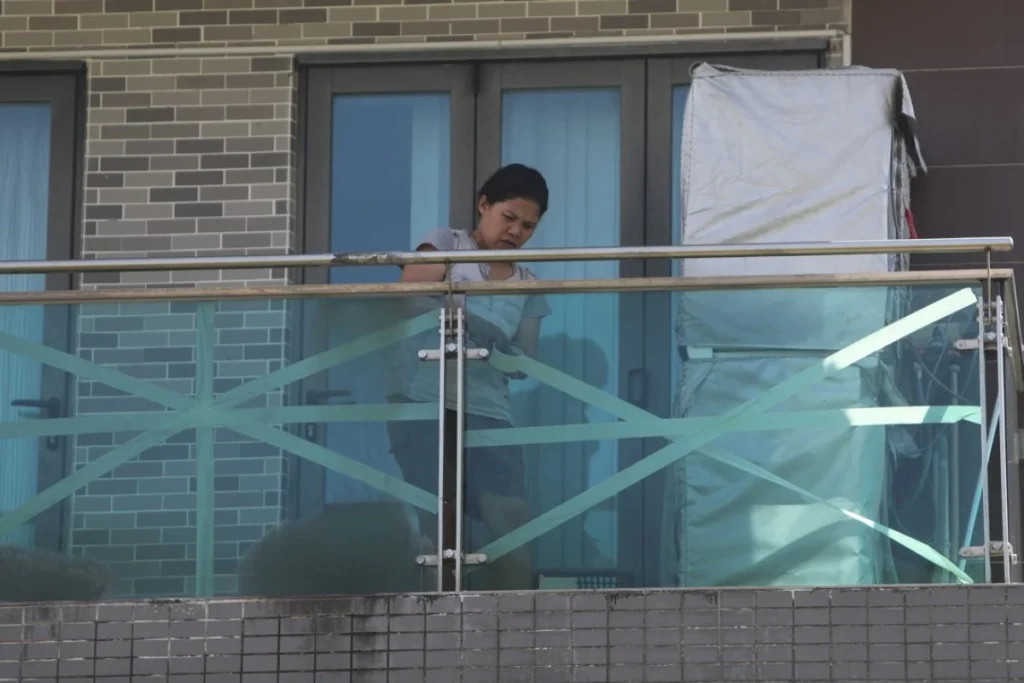
1. Tape is your friend, but not for the reason you think
Many Filipinos think taping windows strengthens them. In reality, the “X” tape pattern helps prevent shattered glass from flying across the room. It is a safety measure, not reinforcement.
2. The “stockpile” mistake
Newcomers and even long time Hong Kong residents often buy one month’s worth of groceries. You do not need that.
What you actually need:
- 24 hours of no-cook food
- Water
- Snacks
- Something warm to drink
Hong Kong’s infrastructure is strong. Power outages are rare but possible.
3. Drainage is everything
If you live in a flat with a balcony, clear the drain before the rain starts. A Filipino engineer in Tseung Kwan O learned this the hard way when water overflowed into the living room because a debris blocked the drain.
4. Tech readiness
Before T8 hits, make sure to:
- Charge all power banks
- Download offline movies
- Save important documents
- Prepare hotspot data
Wi-Fi can get spotty during strong winds.
5. The “wind tunnel” effect
High-rise buildings in Hong Kong and Macau are designed to sway. It feels scary, especially for first-timers, but it is normal. The movement helps the building absorb wind pressure.
The Pinoy perspective: comparison to Philippine typhoons
Infrastructure vs. nature
Hong Kong’s buildings are heavy, reinforced, and designed for strong winds. In the Philippines, many areas are more vulnerable to flooding and landslides.
This difference explains why Hong Kong can shut down early—it is about prevention, not reaction.
The “bayanihan” spirit abroad
During T8, Filipino group chats come alive:
- “Are you home already?”
- “Stay safe.”
- “Here is the latest update.”
- “Do not go out.”
Even if you are alone in your flat, you feel connected.
Safety over “sipag”
In Manila, many workers still go to work even during heavy rain. In Hong Kong, the culture is different: if it is T8, you stay home. It is not laziness—it is the law.
What Filipinos should expect during their first T8
- Sudden schedule changes
- Early office dismissal
- Limited transport
- Busy supermarkets
- Strong winds near tall buildings
- A quiet city once the storm fully arrives
For domestic workers, expect to stay indoors and help with household preparation. For office workers, expect remote work arrangements depending on company policy.
Daily life and workplace realities
Different OFW roles experience T8 differently:
| Job type | What happens during T8 | Common challenges |
|---|---|---|
| Domestic workers | Stay indoors, secure windows, assist employers | Anxiety from strong winds, limited movement |
| Retail staff | Sent home early, store closes | Crowded transport before shutdown |
| Hotel staff | Some must stay on duty | Longer shifts, guest safety protocols |
| Engineers / IT | Work-from-home or early dismissal | Connectivity issues |
| Restaurant staff | Operations stop early | Rush of customers before closure |
Pros and cons of experiencing a T8 as an OFW
Pros
- Clear safety rules
- Early dismissal from work
- Strong infrastructure
- Community support
- A unique cultural experience
Cons
- Confusion for first-timers
- Transport delays
- Possible anxiety from building movement
- Limited food options if unprepared
Checklist: my “T8” survival kit
| Essential item | Why you need it |
|---|---|
| Power bank | For communication during power fluctuations |
| Non-perishables | Cup noodles, canned goods, easy comfort food |
| Flashlight | More reliable than phone light |
| Emergency cash | In case digital payments go offline |
| Towels / rags | To catch water seepage near windows and doors |
After the eye of the storm
Once the signal drops back to T3, Hong Kong returns to normal quickly. People go back to work, trains resume full service, and the city moves forward as if nothing happened.
But for Filipinos, that first T8 becomes a memorable milestone. You feel relief, gratitude, and a deeper respect for how Hong Kong prepares for nature’s power.
A message to newbies
You will be okay. Stay indoors, stay informed, and keep your phone charged. Your first T8 may feel overwhelming, but like every OFW experience, you will learn, adapt, and grow stronger.
