Summary
- Hong Kong offers strong income potential for Filipinos, but the cost of living is one of the highest in Asia.
- Domestic helpers and professional workers experience very different living conditions and expenses.
- Housing, food, and transport take up most of the budget, while Hong Kong’s low taxes and stable currency support long-term savings.
- Digital remittance tools, community support, and disciplined budgeting help Filipinos manage expenses and send money home.
- Protecting your rest day and planning your spending are essential to avoid unnecessary costs.
Introduction: the vertical city reality
Hong Kong is one of the world’s most iconic vertical cities, filled with skyscrapers, crowded streets, and fast-paced energy. For many Filipinos, it is a gateway to overseas work because it is close to the Philippines, has a strong currency, and offers clear employment pathways.
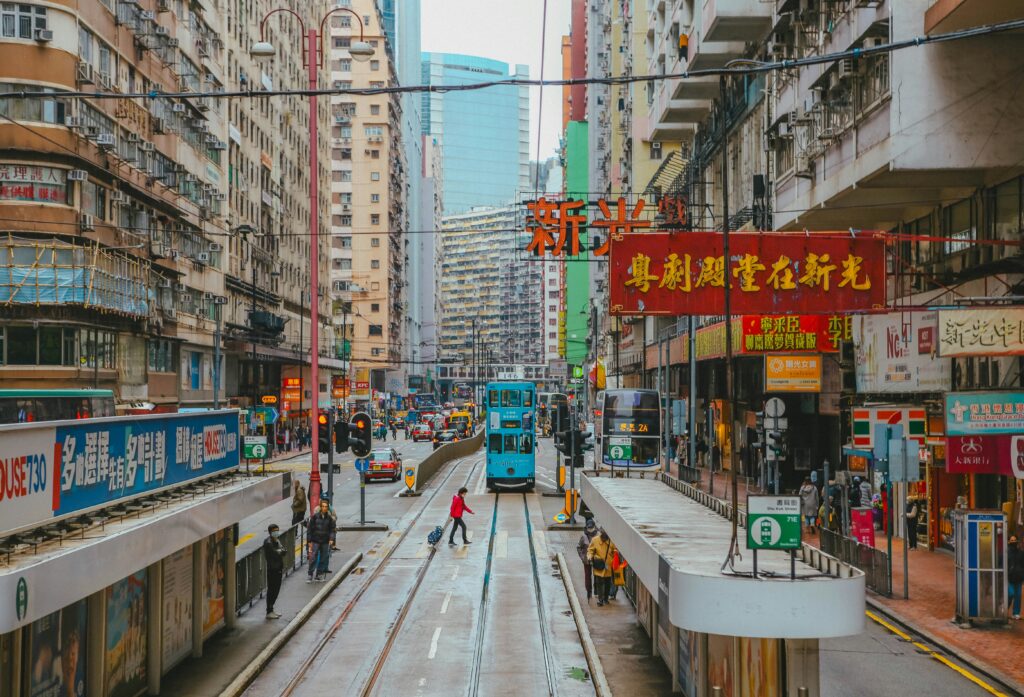
Hong Kong remains a top global financial hub. This status keeps salaries competitive, especially for professionals in finance, technology, and education. At the same time, it pushes up the cost of housing, food, and services. For Filipinos, this creates a unique challenge: it is easy to spend a lot, but with discipline, it is also possible to save a lot.
There are two main Filipino experiences in Hong Kong: domestic helpers who live with their employers, and professional workers who rent their own place. Both groups work hard, send money home, and face the same expensive city, but their daily realities differ greatly.
Income and wages: knowing your worth
Understanding your income is the foundation of planning your life and savings in Hong Kong.
Typical Filipino income in Hong Kong
| Worker type | Typical monthly income | Notes |
|---|---|---|
| Domestic helper | HK$5,100 | Minimum allowable wage |
| Domestic helper (with food allowance) | HK$5,100 + HK$1,236 | Total HK$6,336 if food is not provided |
| Skilled/professional worker | HK$32,000+ | Varies by sector |
| Highly skilled expat | HK$50,000+ | Finance, IT, senior roles |
Domestic helper minimum allowable wage
The minimum allowable wage for foreign domestic helpers is HK$5,100 per month. If the employer does not provide food, they must add a food allowance of HK$1,236. Many domestic helpers can save a large portion of their income because they do not pay rent or utilities.
Professional salaries
Filipino expats working as engineers, teachers, IT staff, hotel supervisors, or corporate employees earn significantly more, but their expenses are also higher.
| Sector | Typical salary range (HK$ per month) |
|---|---|
| Finance and banking | 40,000–80,000+ |
| Information technology | 32,000–60,000+ |
| Education (international schools) | 30,000–55,000+ |
| Hospitality and hotels | 20,000–35,000+ |
| Retail and customer service | 18,000–28,000+ |
Taxation in Hong Kong
Hong Kong’s tax system is one of the lowest in the world. Progressive tax rates are capped at around 17 percent, and the filing process is simple. This allows workers to keep more of their income compared to countries with higher taxes.
Housing: mastering the space crunch
Housing is one of the biggest challenges in Hong Kong. Space is limited, and rent is high.
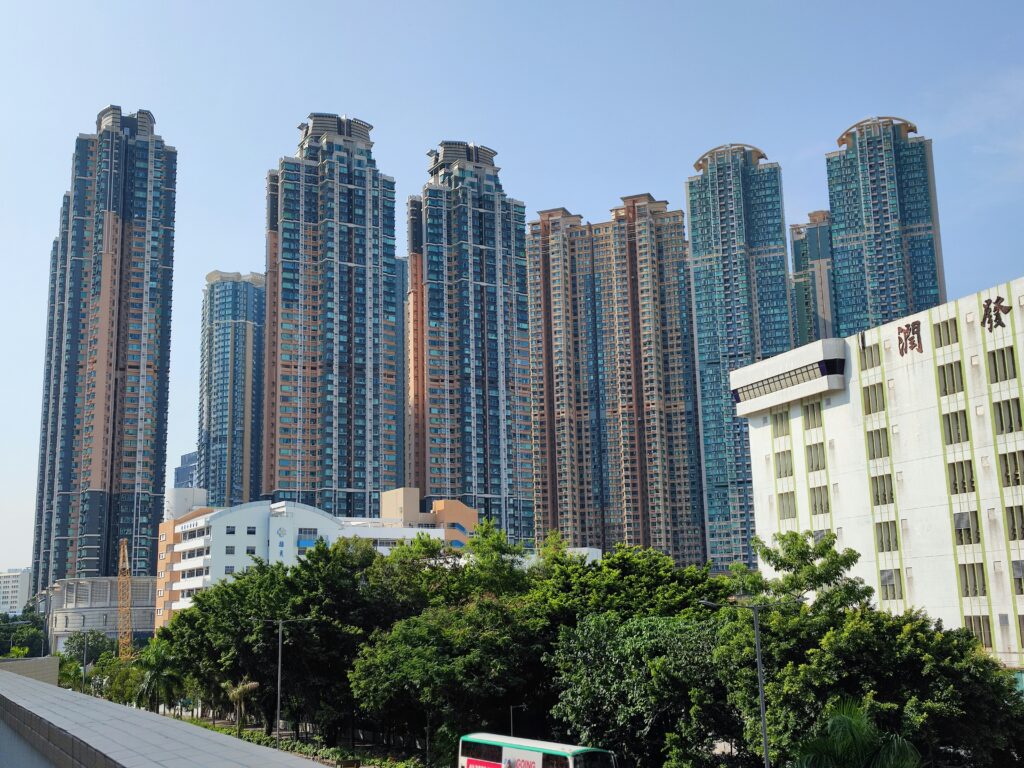
Housing realities for professionals
| Housing type | Typical monthly cost (HK$) | Notes |
|---|---|---|
| Private 1-bedroom flat | 13,000–18,000 | Common in urban areas |
| Shared flat (room rental) | ~8,600 | Popular among young professionals |
| Studio in central areas | 15,000+ | Very small but central |
Live-in requirement for domestic helpers
Foreign domestic helpers must legally live with their employer. This means no rent or utility bills, but it also means limited privacy. Many helpers stay in boarding houses on rest days for personal space, which adds extra cost.
Districts to consider finding housing accommodation
- More affordable: Sham Shui Po, To Kwa Wan, New Territories
- More expensive: Central, Wan Chai, Mid-Levels, Tsim Sha Tsui
| Expense Type | Monthly Cost | Why it’s spent |
| Rent & Utilities | $0 | Legally covered by employer |
| Boarding House | HK$400 – $600 | For privacy and social rest |
| Sundays Out (Food/Data) | HK$500 – $800 | Sharing meals and calling home |
| Total “Rest Day” Cost | HK$900 – $1,400 | The price of personal space |
Food and groceries: the wet market vs supermarket
Food is another major expense, but smart shopping can help you save.
Basic food prices
| Item | Typical price (HK$) |
|---|---|
| 1kg rice | ~14.60 |
| 12 eggs | ~36.90 |
| 1kg chicken | 40–60 |
| 1 litre milk | 20–25 |
| Simple lunch set | 40–70 |
Where to buy food
- Wet markets: Fresh and cheaper produce
- Supermarkets: Wellcome, ParknShop for packaged goods
- Filipino stores: World-Wide House and Lik Sang Plaza
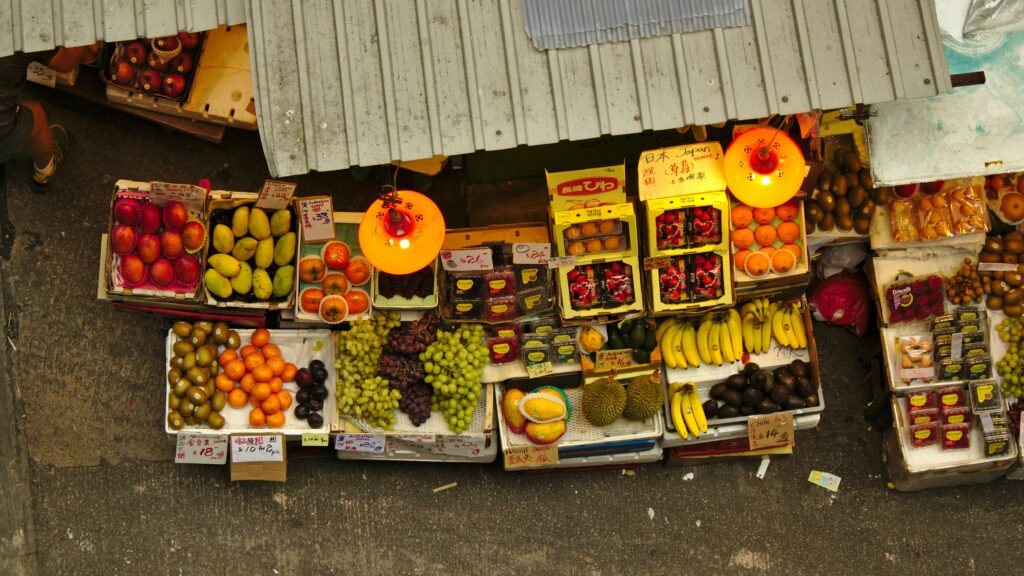
Eating out versus cooking
Local cafes offer affordable meals, while international restaurants cost more. Cooking at home is the best way to save, especially for professionals who live out.
| Grocery Item (2026) | Local Wet Market Price | Western Supermarket Price |
| Chicken Breast (450g) | HK$35 – $45 | HK$65 – $90 |
| 1 Dozen Eggs | HK$22 – $28 | HK$38 – $55 |
| Vegetables (per catty) | HK$10 – $15 | HK$25 – $40 |
Transportation: the Octopus card advantage
Hong Kong’s public transport system is efficient, clean, and affordable.
Typical transport costs
| Item | Typical cost (HK$) |
|---|---|
| Daily commute (round trip) | 20–40 |
| Monthly transport budget | 500–700 |
| Star Ferry ride | 3–5 |
Most Filipinos use an Octopus card for transport and small purchases. Many also walk or use the Mid-Levels escalators to save money.
Remittances and banking: sending it home
Sending money home is a major priority for Filipinos in Hong Kong.
The digital shift
- Mobile wallets
- Digital remittance apps
- Online banking transfers
Exchange rate stability
The Hong Kong dollar is linked to the US dollar, making it stable and predictable for peso conversions.
Comparing fees
| Method | Pros | Cons |
|---|---|---|
| Traditional banks | Trusted, secure | Higher fees, slower |
| Remittance centres | Competitive rates | Requires in-person visits |
| Digital apps | Fast, often cheaper | Requires smartphone |
Lifestyle and community: the Filipino safety net
Hong Kong has one of the most active Filipino communities in the world.
Sunday culture
On Sundays, Filipinos gather in Central, Victoria Park, and open spaces to rest, socialize, and reconnect. This weekly tradition is a major emotional support system.
Support systems
- Legal advice and counselling groups
- Community centres offering workshops and training
- Recreation and social programs
Healthcare access
Public hospitals are subsidized for residents and valid ID holders. Private clinics are faster but more expensive. Many employers provide medical coverage, but benefits vary.
Summary: is Hong Kong still the “gold mine”?
Hong Kong is no longer the easy-money destination some imagine, but it remains a strong opportunity for Filipinos who plan carefully.
Working in Hong Kong offers a high-stakes balance between lucrative financial rewards and significant lifestyle trade-offs. For many Filipinos, the primary “Pros” are rooted in the city’s economic efficiency and geographic advantage. With a tax system capped at 17% and generous personal allowances, workers often retain a much higher percentage of their gross income compared to those in the West.
This, combined with the HKD’s stability (pegged to the USD) and the city’s proximity to the Philippines—just a two-hour flight away—makes it an ideal “savings hub.” Furthermore, the world-class public transport system (MTR) and high safety standards ensure that daily life is efficient and secure, allowing migrants to focus on their primary goal: building a financial future for their families.
However, the “Cons” of Hong Kong living are equally intense, defined largely by the city’s extreme density and high-pressure environment. Housing remains the biggest hurdle; as of early 2026, even with new regulations on “shoebox” flats, rent remains astronomically high for very small spaces. Professional workers often spend over half their salary on tiny apartments, while domestic helpers face the unique challenge of limited privacy within their employers’ homes.
Beyond the physical space, the work culture is notoriously demanding, with long hours and a fast-paced “hustle” that can lead to burnout. For many Filipinos, the emotional burden is also heavy—pressure to send large remittances can make it difficult to enjoy the fruits of their labor, and the temptation to overspend on rest days (Sunday “gastos”) can quickly eat into the very savings they moved to Hong Kong to build.
Final tip: protect your rest day
Your rest day can help you recover or drain your budget. Plan your spending, enjoy free activities, and avoid unnecessary purchases.
Conclusion
Hong Kong is a city of contrasts—high salaries but high expenses, long work hours but strong community support. For Filipinos, it can be both challenging and rewarding. With the right information, financial discipline, and support network, Hong Kong can still be a place where you build savings, support your family, and prepare for a better future.
