Filipinos remain one of the most influential migrant communities in Hong Kong. From domestic helpers to professionals in aviation, hospitality, and corporate sectors, Filipino workers play a vital role in keeping the city functioning smoothly. Their contributions span economic, social, and cultural domains, making them indispensable to both Hong Kong and the Philippines.
Demographic profile
As of 2026, Hong Kong is home to an estimated 205,000 Filipino domestic helpers, maintaining their position as the largest foreign domestic helper group in the city. They account for more than half of Hong Kong’s foreign domestic helper population. The majority are women, many of whom are mothers and primary breadwinners supporting families back home.
Filipino migration to Hong Kong began in the 1970s and has remained strong due to the city’s demand for caregiving, household support, and service-sector workers. While most Filipinos work as domestic helpers, a growing number are now employed in aviation, hospitality, retail, education, and corporate roles.
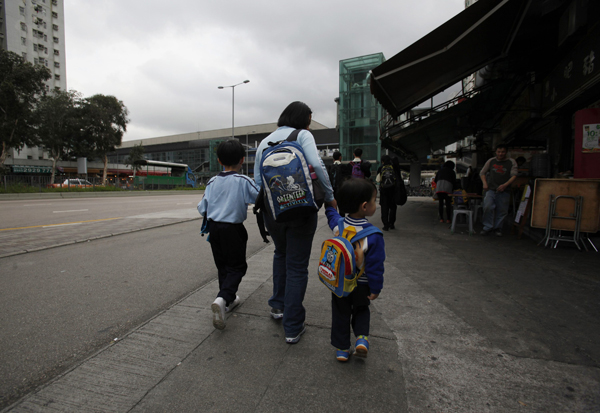
Domestic helpers perform essential household duties such as cleaning, cooking, grocery shopping, childcare, eldercare, and pet care. Many manage daily routines, accompany children to school, and provide companionship to elderly family members. Due to the live‑in rule, their workplace is also their home, and they often work long hours—sometimes exceeding 13 hours per day.
Beyond domestic work, Filipinos also serve in:
- Aviation — flight attendants and ground staff for Cathay Pacific, HK Express, and other airlines
- Hospitality — hotel staff, guest relations officers, and banquet workers
- Theme parks — performers, guest service attendants, and technicians at Hong Kong Disneyland and Ocean Park
- Retail and customer service — sales associates, cashiers, and brand ambassadors
- Corporate roles — IT professionals, marketing staff, client service associates, and administrative officers
- Education — tutors, English teachers, and learning center staff

These roles highlight the adaptability and growing professional presence of Filipinos in Hong Kong’s service and corporate sectors.
Economic impact
Filipino workers are a vital economic engine for both Hong Kong and the Philippines.
Impact on Hong Kong
Domestic helpers alone contributed an estimated HK$100 billion (US$12.6 billion) to Hong Kong’s economy in 2019, equivalent to about 3.6% of the city’s GDP. Their work enables Hong Kong families—especially women—to participate in the workforce by relieving them of childcare, eldercare, and household responsibilities.
Without domestic helpers, many Hong Kong parents would struggle to maintain full‑time employment, and the cost of alternative care (nurseries, tutors, elderly homes) would be significantly higher.
Impact on the Philippines
Filipino workers in Hong Kong remitted approximately US$820 million in 2025. These remittances support:
- Education of children
- Healthcare and medication for family members
- Housing construction and renovation
- Small businesses and investments
- Daily living expenses
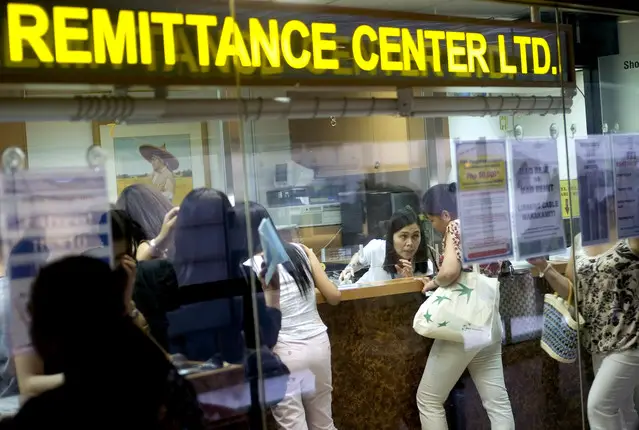
Globally, OFW remittances contribute over 10% of the Philippines’ GDP, making Hong Kong one of the most important OFW destinations economically.
Working conditions
Filipino domestic helpers in Hong Kong are protected by a Standard Employment Contract that sets the Minimum Allowable Wage (MAW), food allowance, and access to medical care. As of late 2025, the MAW is HK$5,100 per month, with a food allowance of HK$1,236 if meals are not provided.
However, challenges remain:
- Long working hours (often 12–14 hours daily)
- Limited privacy due to the live‑in rule
- Occasional denial of rest days or holidays
- Cramped or unsuitable sleeping arrangements
Filipinos in other sectors face their own challenges. For example:
- Flight attendants manage irregular schedules and long-haul fatigue.
- Hospitality workers endure peak-season workloads during holidays.
- Retail staff face demanding customer service expectations.
- Corporate workers navigate competitive environments and high performance standards.
Despite these challenges, many Filipinos report strong job satisfaction due to stable income, supportive communities, and opportunities for career growth.
Significance in Hong Kong’s society
Filipino workers are deeply woven into the fabric of Hong Kong society. Their contributions include:
- Supporting dual-income households by handling childcare and eldercare
- Enabling workforce participation among Hong Kong women
- Providing essential services in hospitality, aviation, and retail
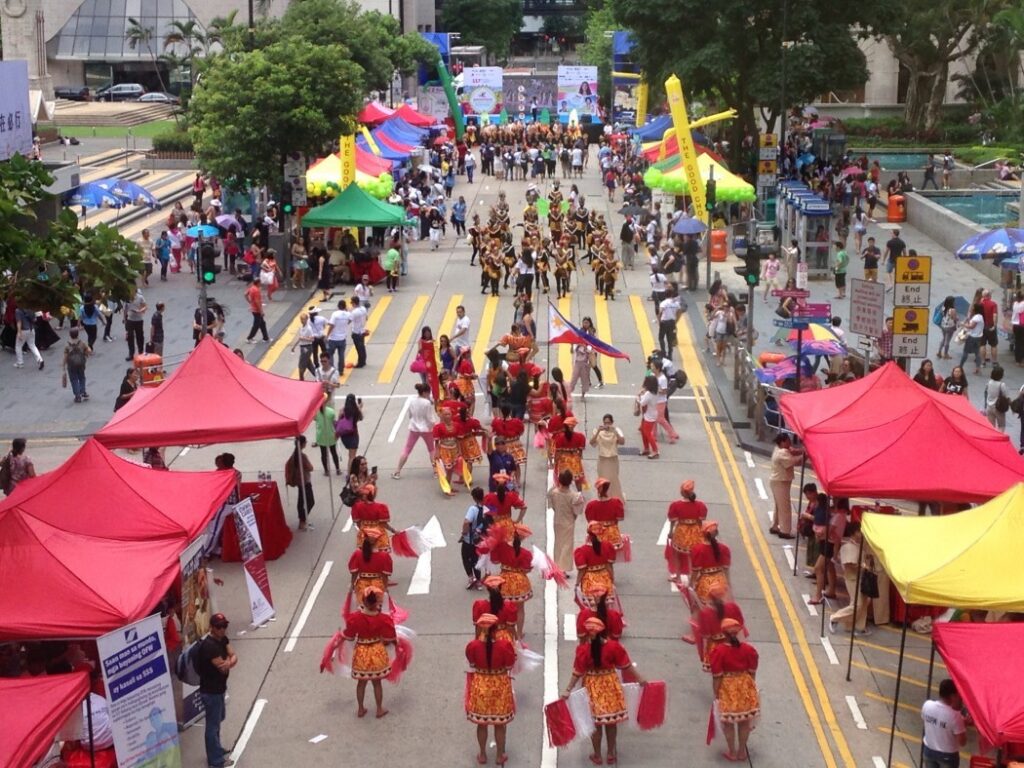
- Enriching cultural diversity through festivals, performances, and community events
- Strengthening social cohesion through volunteer work and church involvement
As Hong Kong’s population continues to age, the demand for caregiving—one of the core strengths of Filipino workers—will only increase.
Looking ahead
Filipino workers in Hong Kong are more than just employees. They are caregivers, professionals, cultural ambassadors, and economic contributors. Their resilience, adaptability, and dedication continue to shape Hong Kong’s society in meaningful ways.
As the city evolves, so too will the roles of Filipinos—expanding beyond domestic work into broader sectors where their skills, language abilities, and professionalism are increasingly recognized and valued.
Their contributions deserve continued recognition, protection, and support from both Hong Kong and the Philippines.
