Life abroad can be hard. But overseas Filipino workers can experience additional misery when they meet “fair-weather friends” who ruin their plans and even get them in trouble.
For many Filipinos in Hong Kong, friendships formed on days off and in community gatherings can feel like family. However, when money, loans, and guarantees enter the picture, these relationships can quickly turn into sources of stress, debt, and even job loss.
Christine’s story: When friendship turns into a financial trap
Take Christine, a domestic worker in Hong Kong, for example. She regrets trusting a friend who suddenly disappeared after she helped her secure a loan of HK$38,000 from a loan company. The experience almost cost her ten years of her career abroad, as her employer expressed dismay over what happened.
After her friend failed to settle the outstanding debt, collectors began calling Christine repeatedly, even contacting her employer’s home number. Embarrassed and afraid, Christine sobbed as she tried to explain the real story behind her financial trouble.
The stress affected her work. She could not focus on her duties and constantly feared that her employer might terminate her for disclosing their home address and phone number without permission. When her friend suddenly vanished, Christine realized she had no other friend or family member in Hong Kong who could help track the runaway borrower.
Fortunately, her employers chose to help. They settled the debt and allowed Christine to repay them through monthly salary deductions for a year. However, they issued a clear warning: if Christine got involved in debt problems again, they would terminate her employment and deny her long service pay.
Christine, 42, from Davao, was grateful her employers did not dismiss her. She informed her family that her remittances would be reduced while she repaid the debt. Many OFWs are not as fortunate; some lose their jobs, visas, and long-term plans because of similar situations.
Why many Hong Kong OFWs are vulnerable to “fair-weather friends”
Christine met her friend at a community gathering four years earlier. They spent days off together, shared stories, and supported each other. She never imagined that someone she considered a close friend could leave her with such a heavy burden.
Many Filipinos in Hong Kong face similar risks because of several factors:
- Homesickness and loneliness: Being far from family makes OFWs more likely to cling to friendships, even when red flags appear.
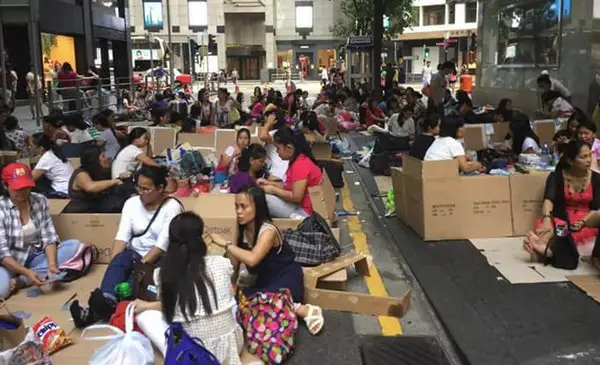
- Quick, intense bonds: Friendships formed in churches, parks, and Central gatherings can feel like instant family, even if you have only known each other for a short time.
- Financial pressure: Some OFWs are already struggling with debts, remittances, and obligations, making them more likely to borrow or co-sign loans.
- Hiya and pakikisama: Cultural pressure to be helpful and avoid conflict makes it hard to say no when someone asks for financial help.
- Lack of financial literacy: Not fully understanding interest rates, guarantor responsibilities, and legal consequences can lead to risky decisions.
- Limited support network: With family far away, OFWs may rely heavily on friends, even when those friends are not trustworthy.
Warning signs of a “fair-weather friend”
Many OFWs later realize that there were warning signs long before the problem exploded. Some red flags include:
- Frequent borrowing: They often ask for money, promising to pay back but rarely doing so.
- Pressure to use your name or documents: They ask you to co-sign loans, use your ID, or give your employer’s contact details.
- Disappearing during problems: They are present during happy times but vanish when you need help.
- Using emotional guilt: They make you feel selfish or unkind if you refuse to help financially.
- Gossiping about others: If they talk badly about other friends, they may do the same to you.
- Anger when you set boundaries: They react negatively when you say no or try to protect yourself.
True friendship respects your limits, your job, and your future. If someone only values you when you can give money or sign papers, that is not a healthy relationship.
Risks for Hong Kong domestic workers and OFWs
For Filipinos in Hong Kong, financial mistakes can have serious consequences:
- Job loss: Employers may terminate a helper who brings debt collectors to their home or uses their address without permission.
- Visa problems: Losing your job can mean losing your work visa and being forced to return home.
- Legal issues: As a guarantor, you are legally responsible for the loan if the borrower disappears.
- Damaged reputation: Word can spread among employers and agencies, making it harder to find a new job.
- Mental and emotional stress: Constant calls from collectors, fear of termination, and guilt toward family can lead to anxiety and depression.
Practical tips for Filipinos in Hong Kong
To avoid falling into the same trap as Christine, OFWs in Hong Kong can follow these practical guidelines:
1. Never co-sign a loan for anyone
Even if the person is a close friend, churchmate, or housemate, avoid becoming a guarantor. If they fail to pay, the loan becomes your responsibility. Debt collectors will chase you, not them.
2. Protect your employer’s privacy
Never give your employer’s home address, phone number, or other personal details to loan companies, friends, or strangers without explicit permission. Doing so can be considered a serious breach of trust and may lead to termination.
3. Keep your financial documents secure
Do not share your ATM card, PIN, payslips, passport, Hong Kong ID, or employment contract with anyone. These documents can be misused for loans or other transactions under your name.
4. Build friendships slowly and carefully
It is natural to seek companionship, but trust should be earned over time. Observe how people handle money, how they talk about others, and how they react when you say no.
5. Join reputable Filipino communities
Look for church groups, accredited organizations, and support networks that focus on genuine support, not on borrowing and lending. These communities can provide emotional support, information, and guidance without putting you at financial risk.
6. Learn basic financial management
Understanding budgeting, saving, and debt can help you avoid risky decisions. Set clear goals for your income: how much goes to savings, remittances, and personal needs. Avoid unnecessary loans, especially for non-essential expenses.
7. Be honest with your family about your limits
Sometimes, pressure from family in the Philippines leads OFWs to borrow money just to meet expectations. Explain your real situation. It is better to send a smaller, consistent amount than to borrow heavily and risk your job.
8. Seek help early if you feel trapped
If you are already involved in a problematic loan or feel threatened by collectors or friends, seek advice as soon as possible. You may approach:
- The Philippine Consulate General in Hong Kong
- The Migrant Workers Office (MWO), formerly POLO
- Trusted community leaders or organizations
Do not wait until the situation reaches your employer or immigration authorities before taking action.
Lessons for younger OFWs
Christine’s experience offers important lessons, especially for younger Filipinos who are new to working abroad:
- Not everyone who feels like family is safe to trust with money.
- Long friendship does not guarantee loyalty. Years of knowing someone does not protect you from betrayal.
- Your job and visa are more important than pleasing others. Losing your employment over someone else’s debt is never worth it.
- Boundaries are necessary. Saying no to risky requests is a sign of maturity, not selfishness.
- Financial decisions abroad can affect your entire future. One signature on a loan form can undo years of hard work.
Protecting your future in Hong Kong
Christine was fortunate. Her employers chose compassion over dismissal. Many others are not given a second chance. For Filipinos in Hong Kong, the key message is clear: be wise with your trust, especially when money is involved.
Life abroad is already full of sacrifices. Do not allow one wrong decision, one unfair friend, or one risky loan to destroy the future you are working so hard to build for yourself and your family.
