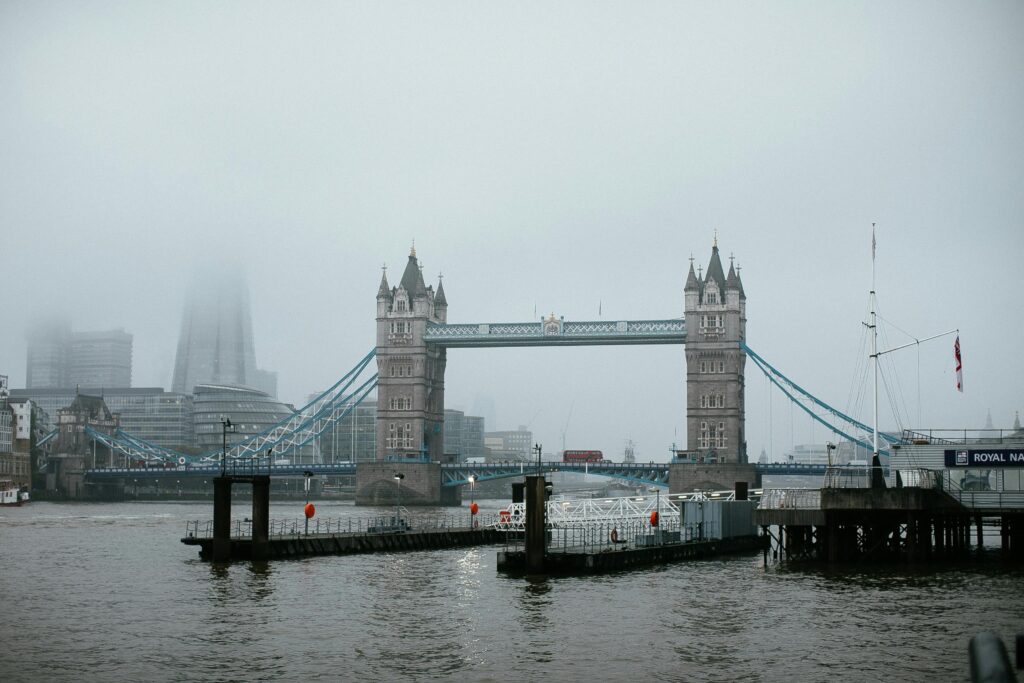
Adjusting to UK weather is rarely about the temperature. It is about the psychological toll of a sky that stays the same shade of Tupperware grey for weeks at a time. For migrants arriving from sunnier places like the Philippines, Australia, or California, the idea that “it just rains all the time” does not fully capture the experience.
It is the unpredictability that unsettles you. Blue skies in the morning promise hope, only to shift into sideways sleet by lunchtime. This guide explores the biological, social, and cultural ways British weather shapes daily life, especially during a migrant’s first year in the UK.
From vitamin D crashes to the art of layering, here is how to not just survive but thrive in the damp embrace of the British Isles.
The national obsession: weather as Britain’s social glue
In Britain, weather is not small talk. It is the national conversation. Phrases like “Lovely day, isn’t it?” or “Bit wet out there” are social tools used everywhere, from the Tube to GP waiting rooms. Weather talk is a safe, universal way to connect without diving into politics or personal matters.
Migrants quickly learn that this habit is more than politeness. It is a shared coping mechanism. Many newcomers imagine London fog from detective stories or rolling green fields from period dramas. Instead, they encounter microclimates where one city basks in sunshine while another, only a short drive away, sits under cold drizzle.
The emotional impact is real. Weather influences moods, clothing choices, and even the economy. Hospitality thrives on rare sunny days, while storms can empty entire high streets. It is an invisible force shaping British resilience and the famous stiff upper lip.
The four seasons and the hidden fifth
Spring: the false hope
Spring brings daffodils and occasional warm spells that feel almost tropical after winter. People rush outdoors for picnics and long walks. But spring is unpredictable. A sunny April morning can turn into a cold, wet afternoon. The longer daylight boosts serotonin, yet sudden cold snaps can dampen spirits.
Summer: the 30-degree panic
British summers usually sit between 16°C and 22°C. When temperatures hit 30°C, the country struggles. Fans sell out, trains slow down due to heat, and offices become uncomfortable. Still, summer is when parks fill with picnics, outdoor drinks, and barbecues, even if rain is likely.
Autumn: the golden glow and the sideways rain
Autumn begins beautifully with golden leaves and crisp air. By late October, storms and strong winds become common. Umbrellas often flip inside out, and pavements get slippery. It is a season of contrast, with cozy indoors and unpredictable outdoors.
Winter: the big dark
Winter brings short days, with sunsets as early as 3:30 p.m. The festive season adds warmth and light, but January and February can feel long and heavy. Migrants from tropical climates often struggle with the darkness and cold winds.
The grey season: January to March
This unofficial season is defined by endless overcast skies. It is a stretch of months where the weather feels stuck, and the lack of sunlight can affect mood and motivation. Many migrants describe this period as the hardest part of adjusting to the UK.
The biological impact: how your body reacts
The UK’s northern latitude means limited UVB rays, especially in winter. Migrants from sunny countries often experience vitamin D deficiency, which can cause fatigue, low mood, and bone aches. The NHS recommends daily supplements, particularly for people with darker skin tones.
Seasonal Affective Disorder affects millions in the UK. Short winter days disrupt sleep cycles, leading to low energy and increased cravings for carbohydrates. Light therapy lamps and morning walks can help regulate the body’s internal clock.
The linguistic nuances of rain
The British have dozens of words for rain, each describing a different mood or intensity. Spitting refers to very light droplets. Drizzling means a steady, fine mist. Teeming or pelting describes heavy downpours. Mizzling is a mix of mist and drizzle that soaks you slowly. The phrase fine rain means it does not look like much, but you will still get wet.
Wind often makes umbrellas useless, flipping them inside out. Locals rely on waterproof jackets and hoods instead.
The social rules of British weather
Weather shapes social behavior in ways migrants quickly notice. Barbecues happen even with a high chance of rain. Layering clothing becomes a daily strategy. At the first sign of sunshine, people rush to parks and beer gardens as if celebrating a national holiday.
These rituals help people cope with long stretches of grey skies and create a sense of community.
Practical tips for migrants adjusting to UK weather
- Use a light therapy lamp during winter mornings to help regulate mood and energy.
- Stay active even on rainy days. Walking outdoors boosts endorphins and helps maintain routine.
- Check the Met Office app for hourly forecasts, but trust your own eyes because weather changes quickly.
- Invest in proper gear such as waterproof jackets, merino layers, and quick-dry shoes.
Other helpful habits include eating vitamin D-rich foods, joining indoor fitness classes during winter, and participating in year-round park runs to build resilience.
Conclusion: finding beauty in the damp
Living through a full British winter builds emotional strength. Over time, you learn to appreciate small signs of spring, like the first flowers in March. Weather becomes more than a backdrop; it becomes part of the story of living in the UK. With the right mindset and preparation, you can adapt to the grey skies and even find comfort in them. By your second year, you may find yourself embracing the drizzle just like the locals.