Opening your first UK bank account is one of the most important steps in settling into life in Britain—but it’s also one of the most confusing. Many newcomers quickly discover a frustrating “catch‑22”: you need a bank account to rent a flat, but you need a flat (or at least a UK address) to open a bank account. Add the UK’s shift to digital-only immigration status, and the process can feel overwhelming.
The good news? You have more options than ever. Whether you’re a student, skilled worker, caregiver, or new resident, you can choose between fast digital banks or traditional high‑street banks depending on your needs. This guide breaks down everything you need to know—documents, steps, timelines, and insider tips—to help you open your first UK account smoothly.
Understanding the UK banking landscape
The UK has one of the world’s most developed banking systems, but it’s also one of the strictest when it comes to identity and address verification. That’s why newcomers often hit roadblocks early on.
The newcomer’s catch‑22
Most banks require proof of address—but if you’ve just arrived, you likely don’t have a tenancy agreement, utility bill, or council letter yet. Meanwhile, landlords and employers often want your bank details before finalising contracts or payments.
This is where choosing the right type of bank becomes crucial.
Two main paths for newcomers
Digital banks (challenger banks)
These are app-based banks known for speed, flexibility, and newcomer-friendly onboarding. Many don’t require traditional proof of address to get started.
High-street banks
These are the classic brick‑and‑mortar banks with branches across the UK. They offer long-term financial products like mortgages, loans, and credit cards.
The rise of eVisas
Since 2022, the UK has shifted to digital-only immigration status. Instead of a physical BRP card, many newcomers now use a share code to prove their right to work, study, or live in the UK. Banks increasingly accept this digital verification, but some branches may still be catching up.
Essential documentation: your newcomer checklist
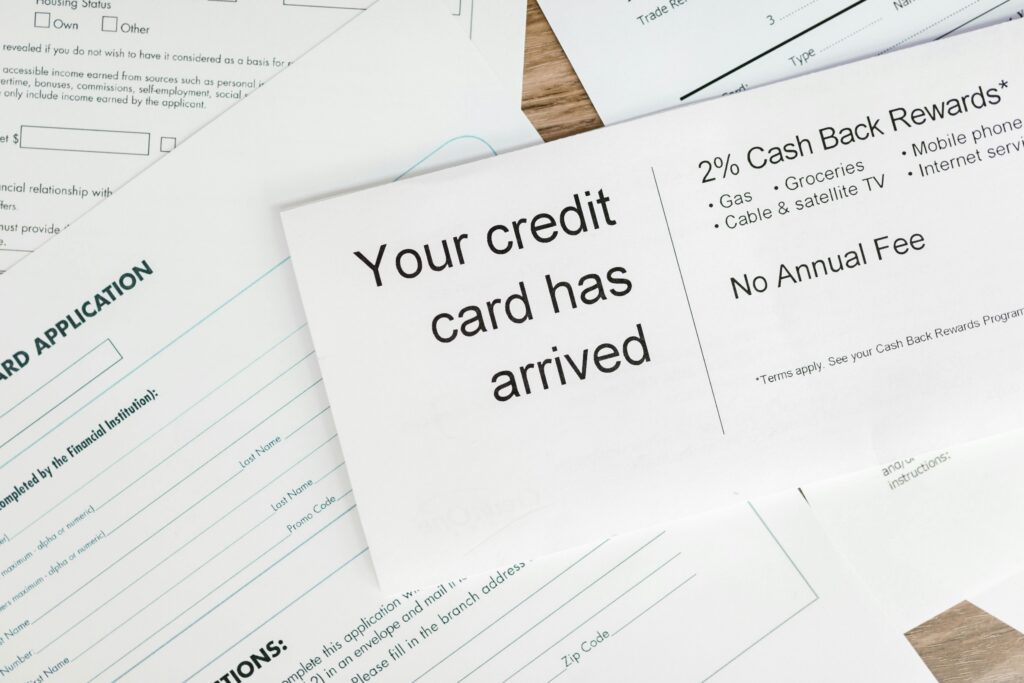
Before applying, gather the documents banks commonly request. Requirements vary by bank, but this checklist covers the essentials.
Proof of identity
- Valid passport (most widely accepted)
- Biometric residence permit (BRP), if you have one
- eVisa share code (for digital immigration status)
Proof of address (the newcomer’s challenge)
Standard documents include:
- Utility bills (gas, electricity, water)
- Council tax letters
- UK driving licence
- Tenancy agreement
Newcomer-friendly alternatives:
- University letter of introduction (for students)
- Employment contract or employer letter (for skilled workers)
- Letter from a regulated letting agent
- Bank statements from your home country (accepted by some banks)
Financial details
- National insurance (NI) number (if you already have one)
- Tax residency information (usually a simple declaration)
Tip: You don’t need an NI number to open a bank account, but some banks will ask for it later.
Path A: digital-first banks (best for speed)
Digital banks are the easiest entry point for newcomers. You can often open an account within minutes using just your passport and a selfie.
Why choose a digital bank?
- Fast approval (often same day)
- No need for traditional proof of address
- Excellent mobile apps
- Real-time notifications
- Easy international transfers
Top digital banks for 2026
Monzo
A fully regulated UK bank with FSCS protection. Known for budgeting tools, instant notifications, and newcomer-friendly onboarding.
Starling Bank
Award-winning mobile bank with strong customer service and fee-free spending abroad.
Revolut
Ideal for multi-currency use, international transfers, and travellers. Note: Revolut’s UK accounts may have different regulatory protections depending on your plan.
Chase UK
Popular for cashback rewards and high-interest savings accounts.
Pros and cons of digital banks
Pros:
- Open an account in minutes
- Minimal documentation
- Great for everyday spending
- No monthly fees
Cons:
- No physical branches
- Cash deposits can be difficult
- Some employers still prefer traditional banks (though this is changing)
Digital banks are perfect as your first UK account, especially while waiting for your permanent address.
Path B: high-street banks (best for long-term stability)
If you plan to stay in the UK long-term, you’ll eventually want a traditional bank account. These banks offer credit cards, loans, and mortgages—products digital banks may not provide.
The big four high-street banks
- HSBC
- Barclays
- Lloyds Bank
- NatWest
The basic bank account option
Designed for people with limited credit history or documentation, these accounts offer:
- No monthly fees
- Debit card access
- No overdraft (safer for budgeting)
Special newcomer programs
HSBC “New to the UK”
Often more flexible with documentation and offers multilingual support.
Lloyds Bank
Known for allowing identity-only verification for certain account types.
Pros and cons of high-street banks
Pros:
- Face-to-face support
- Access to full financial products
- Strong reputation with employers and landlords
Cons:
- Slower application process (1–2 weeks)
- May require in-person appointments
- Stricter proof-of-address requirements
Step-by-step: how to apply for your first UK bank account
Compare features
Look at:
- International transfer fees
- ATM withdrawal limits
- Cashback or rewards
- FSCS protection
- App usability
Choose your entry point
Most newcomers start with a digital bank (Monzo, Starling, Revolut, Chase) because it’s fast and doesn’t require a UK address.
Prepare your eVisa share code
Visit the UK government website and generate a share code for “right to work” or “right to rent.” Banks use this to verify your immigration status.
Start the application
- For digital banks: download the app
- For high-street banks: book an appointment online or walk into a branch
Complete identity verification
This usually includes:
- A short selfie video
- Scanning your passport
- Uploading your BRP or share code
Receive your debit card
Most banks send your card within 3–5 business days. Some digital banks offer virtual cards instantly.
Tips for success and avoiding rejection
Use a trusted address
If you’re staying in temporary accommodation (hotel, Airbnb), check if the bank accepts:
- “c/o” (care of) addresses
- Employer addresses
- University accommodation letters
Check FSCS protection
Ensure your bank is covered by the Financial Services Compensation Scheme, which protects up to £85,000 of your deposits.
Start building your UK credit score
Once your account is active, begin establishing your financial footprint:
- Get a SIM-only mobile plan
- Pay bills on time
- Consider a credit-builder card later
Keep digital copies of all documents
Banks may ask for additional verification later, especially when upgrading your account.
Final thoughts
Opening your first UK bank account doesn’t have to be stressful. Start with a digital bank for speed, then transition to a high-street bank once you have stable accommodation and more documents. With the right preparation—and the right expectations—you can get your finances set up smoothly and confidently.