Summary
- Shared housing helps Filipinos save money, but it requires awareness of UAE rental rules.
- Always verify legality: NOC, Ejari, and co-occupant registration.
- Clear house rules prevent conflict, especially around cooking, guests, and bathroom schedules.
- Use digital tools to manage rent, bills, and deposits safely.
- Protect your privacy and plan your exit strategy to avoid stress.
The shared reality of UAE life
For many Filipinos in the UAE—whether factory workers, hotel staff, caregivers, engineers, or first-time jobseekers—shared housing is part of the journey. It is a practical choice. Rent is one of the biggest expenses in Dubai, Abu Dhabi, and Sharjah, and sharing a flat or bedspace helps you save more for your family back home.
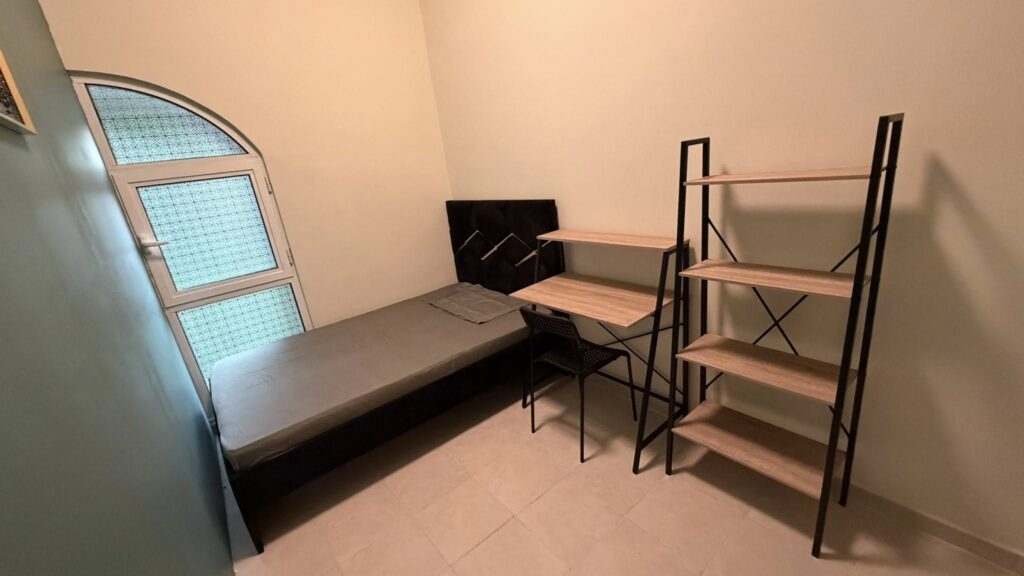
There is also the companionship. Living with fellow Filipinos brings comfort, laughter, and a sense of community. It is easier to adjust when you are surrounded by people who understand your struggles, your humor, and your dreams.
But the UAE in 2026 is different. Rental laws are more digital, more transparent, and more strictly enforced. Municipalities are cracking down on illegal partitions, unregistered tenants, and overcrowded flats. One mistake can lead to surprise inspections, fines, or sudden eviction.
This guide gives you five practical, realistic tips to help you survive—and thrive—while sharing a UAE apartment. The goal is simple: save money without sacrificing your safety, comfort, or peace of mind.
Tip 1: Verify the legality (avoid the surprise eviction)
Before you move into any shared apartment, make sure everything is legal and properly documented. This protects you from sudden eviction, withheld deposits, or disputes with the lead tenant.
What Filipinos should check
1. The NOC (No Objection Certificate)
- The landlord must give written permission for subletting.
- If the lead tenant cannot show an NOC, your stay is technically illegal.
- Many overseas workers have experienced sudden eviction because the landlord did not know the flat was being shared.
2. Ejari and co-occupant registration
Most emirates require all occupants to be registered through:
- Dubai REST app (for Dubai)
- Ejari system
- Municipality portals (varies by emirate)
Registration protects you during disputes and proves you are a legal occupant.
3. Unauthorized partitions
Municipalities are actively removing:
- Wooden partitions
- Makeshift walls
- Dividers that block ventilation or emergency exits
These are considered fire hazards. If the flat looks overcrowded or heavily partitioned, it is a red flag.
4. Identity and contract transparency
Walk away if:
- The lead tenant refuses to show their Emirates ID.
- They cannot provide the main tenancy contract.
- They avoid questions about registration or legality.
Real-life example: A Filipino retail worker in Deira lost her deposit after a surprise inspection. The landlord did not know the flat was being shared, and everyone was asked to leave within 24 hours. She had no proof she lived there legally.
Tip 2: The house rules manifesto (etiquette is key)
Shared living works only when everyone respects each other’s space, time, and habits. Clear house rules prevent misunderstandings and unnecessary tension.
Key areas to agree on
1. Cooking rules
Shared apartments mean shared smells. To avoid conflict:
- Agree on cooking times.
- Use proper ventilation.
- Avoid heavy-smelling dishes late at night.
- Clean the stove after every use.
This is especially important for bedspace setups where the kitchen is close to sleeping areas.
2. Guest policies
Cohabitation is now legal in the UAE, but your flatmates still have the right to feel safe and comfortable.
Agree on:
- Whether overnight guests are allowed.
- How often guests can visit.
- Which areas guests can access.
3. Bathroom schedule
This is the number one source of morning stress. A simple system helps:
- Set a shower schedule between 6:00 AM and 8:00 AM.
- Limit showers to 10–15 minutes.
- Keep toiletries organized to avoid clutter.
Real-life example: A Filipino nurse working night shifts often clashed with her roommates because she needed the bathroom at unusual hours. A shared schedule solved the issue and reduced tension.
Tip 3: Automate your finances
Money is one of the biggest causes of conflict in shared apartments. Digital tools help you stay organized and avoid misunderstandings.
Smart financial habits
1. Use digital payments
Avoid paying rent in cash without proof. Use:
- Banking apps
- UAE rent payment platforms
- Online transfers
This creates a digital trail in case of disputes.
2. Track shared expenses
Apps like Splitwise help you divide:
- DEWA (electricity and water)
- Wi-Fi
- Gas
- Cleaning supplies
Everyone sees the breakdown, so no one feels cheated.
3. Protect your security deposit
Always get:
- A written receipt
- A WhatsApp confirmation
- A screenshot of the transfer
This prevents “vanishing deposit” situations when you move out.
Sample monthly shared cost table
| Expense | Typical Range (AED) | Notes |
|---|---|---|
| Bedspace rent | 700–1,200 | Depends on location and privacy level |
| Room rent (shared) | 1,500–2,500 | Cheaper in Sharjah, higher in Dubai Marina |
| DEWA share | 80–150 | Higher during summer |
| Wi-Fi | 30–60 | Based on number of occupants |
| Gas | 10–20 | Shared among all |
Tip 4: Protect your personal bubble
Even in a shared apartment, you deserve privacy and comfort. Small investments can make a big difference.
Practical ways to protect your space
1. Privacy tools
- High-quality blackout curtains for bedspaces.
- Noise-canceling headphones.
- Under-bed storage bins.
- A small bedside lamp for late-night work.
These help you create a personal zone even in a crowded room.
2. Food organization
Use:
- Color-coded baskets.
- Clear labels.
- Separate shelves.
This prevents accidental “food sharing” and keeps the fridge organized.
3. Respect shift workers
Many Filipinos in the UAE work in:
- Aviation
- Retail
- Hospitality
- Healthcare
Their “night” may be your “day.” Learn each other’s schedules to avoid unnecessary noise.
Real-life example: A Filipino hotel receptionist slept at 10 AM after night duty. Her roommates agreed to keep the room dark and quiet during that time. This simple adjustment improved everyone’s mood and harmony.
Tip 5: Have an exit strategy
Even the best shared housing setup does not last forever. Jobs change, salaries improve, or you simply outgrow the space.
What to prepare
1. Notice period
Most shared flats follow a 30-day notice rule. Make sure this is written in your internal agreement—even if it is just a signed paper or WhatsApp message.
2. Know your rights
If you are registered as a co-occupant, you can file a complaint at the Rental Dispute Settlement Centre (RDC) if:
- Your deposit is withheld.
- You are forced to leave without notice.
- The lead tenant violates your agreement.
3. Keep copies of everything
Save:
- Payment receipts.
- Chat agreements.
- Registration documents.
- Photos of the room before and after.
These protect you from unfair accusations.
Conclusion: Harmony over hassle
Sharing a UAE apartment is a stepping stone for many Filipinos. It helps you save money, build friendships, and adjust to life abroad. But it also requires patience, communication, and awareness of the rules.
When you verify legality, set clear house rules, automate your finances, protect your privacy, and plan your exit strategy, you create a peaceful and safe living environment—not just for yourself, but for everyone around you.
And sometimes, the simplest gestures—sharing a meal, offering help, or giving someone space—can turn strangers into lifelong friends.
Living abroad is challenging, but with the right mindset and the right people, it becomes a journey worth taking.
