South Korea has become a major destination for Filipino workers thanks to its strong economy, structured hiring programs, and relatively high wages compared to many traditional OFW destinations. It offers a mix of opportunity and challenge that can be rewarding for those who prepare well.
Why South Korea Attracts Filipino Workers
South Korea ranks among the world’s top economies and continues to rely on foreign workers for industries like manufacturing, agriculture, and construction.
The Employment Permit System (EPS), launched in 2004, was created to legally bring in foreign workers through government-to-government channels, reducing the need for costly private recruitment agencies.
South Korea has set a quota of 80,000 new E-9 visas for 2026. The minimum wage for these workers has increased to 10,320 KRW per hour (approx. 2,156,880 KRW per month).
Under EPS, applicants must pass the Korean language test (EPS-TOPIK), meet health standards, and are processed through the Philippine government and Korea’s Ministry of Employment and Labor.
Official Korean data shows tens of thousands of Filipinos employed under EPS, making the Philippines one of the largest sending countries in the program. Because contracts and wages are standardized and monitored, workers benefit from more transparent conditions than in many informal hiring setups.
Income, Contracts, and Daily Work
For many Filipinos from rural areas, Korean salaries are a major upgrade from local wages in the Philippines. Manufacturing workers can earn monthly pay in the range of 2.2 to 2.5 million KRW (roughly P90,000 to P100,000 depending on exchange rates), with construction workers earning more when overtime is abundant. This contrasts sharply with daily minimum wages in the Philippines that often fall between P500 to P600 in many regions.
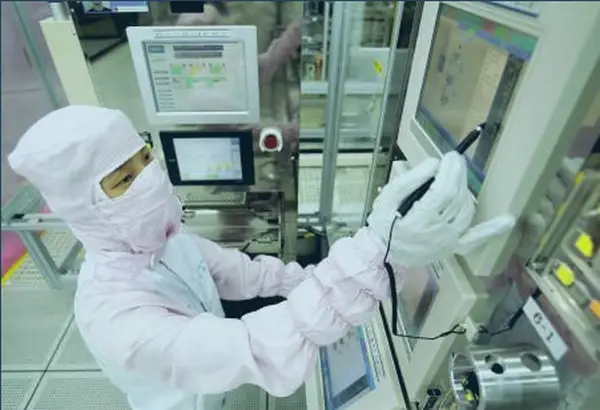
The work culture, however, is demanding. Factory workers typically do at least eight hours per day, and overtime in evenings or weekends is common, raising income but reducing free time. South Korea’s reputation for discipline and productivity means strict expectations on attendance, speed, and quality, which some OFWs embrace as a chance to save faster and pay off debts.
Benefits, Housing, and Support Systems
Under Korean labor law, EPS workers are entitled to the legal minimum wage (adjusted annually), structured overtime pay, severance after meeting service requirements, and access to health insurance and national pension.
Filipino workers contribute to the national pension and can claim a lump-sum refund when they return home, which can reach hundreds of thousands of pesos after several years. Health insurance coverage lets OFWs access modern healthcare services at subsidized rates, often cheaper than comparable private care in the Philippines.
Housing arrangements vary, but many employers provide dormitories or rented apartments with either partial or full cost sharing. Good employers offer safe, decent housing often shared with other Filipinos, helping build an instant support network, though some workers experience cramped living spaces or poor heating in winter. A bill has been proposed to improve housing conditions for migrant workers.
Compared with destinations where workers shoulder rent entirely, Korea’s employer-assisted housing is usually more budget-friendly.
Culture, Community, and Everyday Life
Adapting to Korean culture is a major part of the OFW journey. The Korean diet centers on rice, soups, vegetables, and staples like kimchi, with many Filipinos learning to enjoy dishes such as bulgogi and samgyupsal while still cooking Filipino food on rest days. Filipino stores and restaurants in major cities like Seoul, Incheon, and Busan help ease cravings for Pinoy flavors and create familiar spaces.
Sundays and days off often revolve around church and community. Filipino chapels and congregations play a huge role in reducing homesickness, providing spiritual support and social interaction. Workers also cluster around remittance centers and Filipino hubs near subway stations to send money home and socialize.
Challenges: Language, Climate, and Contracts
Despite its advantages, the Korean OFW experience comes with serious challenges. Language is one of the biggest barriers. While the EPS requires applicants to pass the EPS-TOPIK exam, functioning in daily life and asserting rights in the workplace is far tougher than passing a test. Limited Korean skills can lead to misunderstandings on the job, difficulty explaining problems, or trouble navigating healthcare and government services.
Cultural differences in the workplace can also create stress. Korean companies are generally hierarchical, with strong expectations for respect toward seniors, punctuality, and obedience to instructions.
Filipinos used to more relaxed communication styles can find this strict environment overwhelming at first. Though Korea has made advances in gender equality, some domestic workers and caregivers still report isolation and emotional strain.
Climate is another shock. Korea’s four distinct seasons mean hot, humid summers and harsh winters that can drop below -10°C, a stark contrast to the tropical weather in the Philippines. Learning to manage heating costs, layering clothes, and dealing with snow and ice is essential for both physical and mental health.
On top of this, contract rules can limit mobility. Under EPS, workers are tied to specific employers, and changing jobs requires formal approval, which is not always guaranteed. This dependency can be stressful if conditions turn abusive or workloads become unstable, especially in construction and seasonal work.
Advantages and Long-Term Opportunities
Even with these difficulties, South Korea offers strong upsides compared with many other OFW destinations. Entry-level wages are usually higher than those in Taiwan or Malaysia, especially once overtime is factored in, allowing more room for savings and investment. Many Filipino families have used Korean earnings to build homes, send children to school, and start small businesses.
Exposure to Korean work standards fosters discipline, time management, and attention to detail—skills that transfer well to future jobs. Experience in a globally recognized economy with strengths in technology and manufacturing can enhance an OFW’s résumé if they later seek work in other advanced countries or return to the Philippines.
Healthcare access and the pension refund provide tangible financial and health security that many other temporary migration schemes do not match. Growing Korean language skills also open doors to jobs in teaching, translation, or customer support in both Korea and other markets.
Tips for Aspiring OFWs to Korea
For Filipinos considering South Korea, preparation is crucial.
- Study early for EPS-TOPIK: Focus on vocabulary, reading, and listening to improve your passing chances.
- Understand your contract: Clarify wages, overtime, housing terms, and health and pension benefits to avoid surprises.
- Build a budget plan: Separate funds for daily living, remittances, debt repayment, and savings. Avoid lifestyle inflation and unnecessary loans.
- Plan for emotional resilience: Anticipate homesickness and culture shock. Join Filipino communities, attend church, and keep regular contact with family.
- Think long-term: Decide whether South Korea is a short-term savings mission or part of a multi-step career plan toward permanent migration or skills building.
Future Outlook for Filipinos in Korea
South Korea’s population is aging rapidly and its fertility rate is among the lowest in the world, which increases dependence on migrant labor to sustain sectors like agriculture and manufacturing. The country maintains a high dependency on foreign labor to address chronic shortages caused by a rapidly aging population and a shrinking domestic workforce.
For 2026, the government has authorized a total of 191,000 non-professional foreign workers—one of the largest annual intakes in recent years.
There is growing talk inside Korea about becoming more multicultural to maintain its labor force, though EPS itself still offers limited paths to permanent residency. Some Filipinos transition through marriage to Koreans or by shifting to other visa categories, while others use Korean experience as a stepping stone to opportunities in other advanced economies.
What is clear is that Filipinos in Korea have become a visible and lasting part of the social fabric, organizing festivals, communities, and media projects that enrich both Filipino and Korean society. For those willing to navigate its challenges, South Korea can be a demanding but rewarding chapter in the life of an aspiring OFW.