The first few weeks abroad can feel like a whirlwind. There’s a excitement—new surroundings, better pay, fresh opportunities—but also pressure. Bills start appearing, family expectations come quickly, and suddenly the salary that once sounded “malaki” doesn’t feel as big as expected.
For Overseas Filipino Workers, the first 90 days abroad are critical. The habits you build during this period often determine whether your time overseas leads to financial security or long-term stress. A 2024 study by the Philippine Institute for Development Studies (PIDS) found that existing financial literacy programs for OFWs aren’t systematically communicated, leaving many without strong financial planning support.
However, a separate research on OFWs and Pag-IBIG Fund awareness found that Filipinos abroad can exhibit high efficiency in savings and investment habits when they are knowledgeable about financial services, but education level influences debt management and savings behavior.
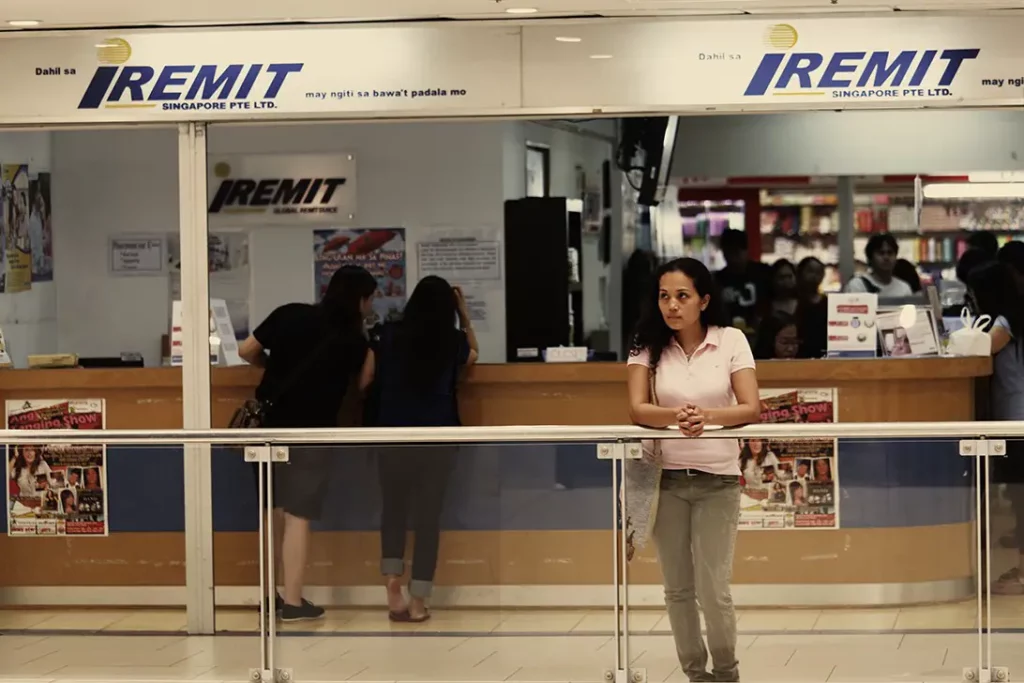
This guide walks you through smart, practical financial steps to help you start strong and stay in control from day one.
Understand Your Real Take-Home Pay (Days 1–15)
Many OFWs make the mistake of planning their finances based on their gross salary, not what actually lands in their bank account. Deductions can include:
- Taxes – Many Gulf countries like UAE and Saudi Arabia have no personal income tax, meaning salaries are typically received without income tax deductions. However, OECD countries such as Canada and Australia deduct a significant portion of gross salary for income tax and social contributions, which can substantially reduce take-home pay. In Canada, combined taxes and contributions can account for around 30% of labour costs, while in Australia they are typically about 25–30% of gross wages.
- Accommodation or housing. Developed economies like Singapore and Australia tend to have higher rent and accommodation costs overall, as reflected in global cost of living indices.
- Food or meal plans. Some developing countries have lower everyday food prices such as parts of South/East Asia, meaning your grocery/meal costs can be relatively cheap compared to major Western cities.
- Transport. Costs differ dramatically. In many Middle Eastern cities, petrol and car use can be relatively affordable while public transport quality varies by city. Those with more advanced transport infrastructure like Canada or Australia typically have higher monthly transport costs—fuel, public transit, insurance—often reflected in higher overall cost of living.
- Insurance or government contributions. In some Gulf states (e.g., UAE and Saudi Arabia), there is no compulsory social security for foreign workers, meaning fewer deductions beyond what your employer or you agree to pay. But in countries like Canada, employees pay into the Canada Pension Plan (CPP) and Employment Insurance (EI), which are deducted from pay, alongside income tax.
Once these are removed, your net income may be significantly lower. This is why many OFWs overestimate how much they can send home early on.
List fixed and variable expenses
As soon as possible, write down your expenses:
- Fixed expenses include rent, utilities, phone plans, internet, and transport. These are predictable, recurring costs that must be paid regardless of your lifestyle choices, making them the foundation of any realistic budget.
- Variable expenses are often overlooked—snacks, coffee, remittance fees, subscriptions, and small daily purchases that add up fast. While each expense seems minor on its own, together they can quietly consume a large portion of your monthly income if not tracked closely.
Seeing the full picture helps you avoid financial surprises.
Avoid lifestyle inflation
It’s tempting to upgrade phones, clothes, or gadgets right away, especially when earning in foreign currency. Resist this urge during your first few months. Lifestyle inflation is one of the fastest ways to lose financial momentum.
Open the Right Bank Accounts (Days 1–30)
Open a local bank account
A local account is essential for salary deposits and daily expenses. When choosing a bank, look for those who offer accounts with:
- Low or no monthly fees, reducing maintenance costs.
- Easy online banking allows you to monitor your balance, pay bills, and transfer money anytime without needing to visit a branch, which is especially important when working long or irregular hours.
- Wide ATM access reduces withdrawal fees and travel time, ensuring you can access your money conveniently wherever you live or work.
This will save you money and stress in the long run.
Maintain a Philippine bank or remittance account
You’ll also need a reliable way to send money home. Compare:
- Bank-to-bank transfers
- BDO – Widely used for international remittances and peso/dollar accounts
- BPI – Strong international banking links and remittance services
- Metrobank – Popular among OFWs for savings and dollar accounts
- Landbank / PNB – Often used by government workers and seafarers
- Remittance centres
- Western Union – Available in most countries, cash pick-up or bank credit
- MoneyGram – Widely used for fast transfers
- LBC – Popular for both money remittance and padala services
- Digital remittance apps
- Wise – Known for transparent fees and strong exchange rates
- Remitly – Offers express and economy options
- WorldRemit – Supports bank deposits, cash pick-up, and mobile wallets
Always check fees and exchange rates. Avoid informal or untraceable channels, even if they promise better rates.
Ensure emergency access to funds
Keep a small amount of cash or easily accessible funds at all times in case of delays, system issues, or emergencies.
Create a Simple 90-Day Budget (Days 1–30)
Prioritise Needs Over Wants
Your initial budget should focus on essentials only:
- Housing
- Food
- Transport
- Communication
Everything else comes later.
Apply the “pay yourself first” rule
The moment you receive your salary, set aside savings, even before spending or remitting. Even a small amount builds discipline and consistency and sets up healthy saving habits.
Allocate remittance amount wisely
Decide on a fixed amount to send home each month based on your real budget, not expectations. This prevents overspending and emotional decision-making.
Build Your Emergency Fund (Days 30–90)
Why OFWs need emergency funds more than anyone
OFWs face unique risks such as sudden job termination, health emergencies, employer disputes or repatriation or visa issues. Without an emergency fund, even a small crisis can turn into debt.
Set a realistic target
Aim for at least 1–3 months of living expenses. This may take time, but starting early makes it achievable.
Keep it separate
Emergency funds should not be mixed with daily spending money. Store them in a separate account to avoid temptation.
Protect yourself with insurance (Days 30–60)
Health insurance
The best health insurance for OFWs combines employer-provided coverage with a personal or international health insurance plan to fill any gaps, especially for outpatient care and emergencies. Plans that offer coverage across multiple countries, cashless hospital access, and medical evacuation are ideal, particularly for OFWs in high-cost healthcare systems. It’s also important to check whether the policy remains valid during job transitions or when returning to the Philippines.
Life Insurance
Life insurance is especially important for OFWs with dependents, as it provides financial protection for family members in case of unexpected events. Coverage can be secured before going abroad as part of pre-departure financial planning, or through employer-provided group life insurance, with many OFWs choosing to supplement employer coverage with a personal policy to ensure sufficient protection.
Government Coverage
Make sure your contributions are updated for:
- OWWA
- SSS
- PhilHealth
- Pag-IBIG
These provide long-term protection and benefits beyond your overseas contract.
Manage remittances and family expectations (Days 1–90)
Set financial boundaries early
The first few months set the tone. Explain to your family that you’re still adjusting and building stability. This helps you avoid the padala trap, where requests become constant and expected.
Create a remittance schedule
Stick to a monthly schedule with a fixed amount. Consistency is better than generosity that leads to stress. For example, sending the same fixed amount every month, regardless of special occasions or extra requests, helps your family plan their expenses while protecting your own budget and reducing emotional pressure.
Avoid debt-funded remittance or balikbayan boxes
Never borrow money just to send padala. This creates a dangerous cycle that’s hard to escape. For example, using credit cards or personal loans just to meet family requests often leads to mounting interest, long-term debt, and ongoing pressure to keep sending money even when your finances are already strained.
Eliminate or control debt (Days 30–90)
Pay off high-interest debts first
Shortly after your arrival abroad, focus on clearing credit card balances, loans from recruiters or agencies, and informal debts with high interest, as paying these off early reduces financial pressure and frees up more of your income for savings.
Reducing debt frees up future income for savings.
Avoid building new debts
Avoid OFW-targeted loan offers that promise fast approval or low monthly payments, as these often come with high interest rates and long repayment terms that eat into your income.
Be cautious with consumer loans, instalment gadgets, and “easy pay” offers—while they seem affordable upfront, they can quietly drain your salary and delay your savings goals.
Start long-term financial planning (Days 60–90)
Define clear financial goals
Break your goals into time frames:
- Short-term: emergency fund. Your immediate goal should be to build an emergency fund that covers 1–3 months of living expenses. This provides a safety net for unexpected events, ensuring that sudden costs don’t derail your financial stability or force you into debt.
- Medium-term: home, business, education. Once your short-term needs are secured, focus on medium-term goals like buying a house, starting a small business, or funding education for yourself or your family. Planning for these goals helps you allocate savings strategically and track progress toward meaningful milestones.
- Long-term: retirement. Long-term planning ensures that you maintain financial security after your working years, especially since overseas contracts are temporary. Regular contributions to retirement savings or investment vehicles allow your money to grow steadily, so you can enjoy life without financial stress in the future.
Clear goals give meaning to your sacrifices.
Begin saving or investing (if ready)
Once your basics are covered, you can explore simple options such as time deposits, Pag-IBIG MP2, or basic mutual funds. No need to rush—education comes first. Additionally, consider investing in more mature markets or regulated funds that are accessible through your workplace, as they often offer stability and easier management for OFWs.
Track your money regularly
You don’t need complex systems. A simple Excel file, budgeting app, or even a notebook works—as long as you’re consistent.
Review finances monthly
Check what worked and what didn’t. Adjust your budget based on reality, not assumptions.
Common Financial Mistakes OFWs Make in the First 90 Days
Many OFWs struggle because they:
- Send too much money too soon
- Delay saving until “later”
- Ignore insurance and emergency funds
- Spend as if income is guaranteed forever
- Awareness alone can help you avoid these pitfalls.
Financial success abroad doesn’t come from how much you earn; it comes from how well you manage your money early on. The first 90 days are your foundation. Discipline now creates freedom later.
Focus on stability before generosity. Build security before upgrades. Remember: working abroad should lead to peace of mind and a better future—not constant stress.
If you get your finances right from the start, every sacrifice becomes worth it.