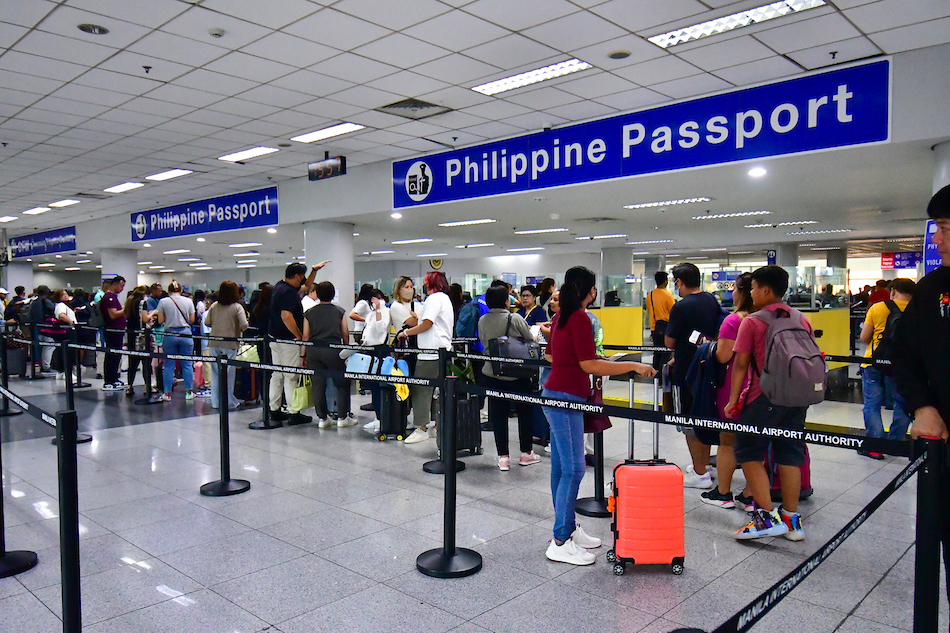
Stepping up to the immigration counter can be one of the most emotionally charged moments for a first-time OFW’s journey. It can serve as a tipping point between success and failure, and where a missing document or small mistake can mean a missed flight, lost money, and delayed dreams. Understanding what happens at this stage turns anxiety into preparedness.
Why waiting at the immigration queue feels so stressful
Millions of Filipinos work overseas, and in recent years the number of OFWs has been above two million annually, underscoring how central migration is to Filipino families and the economy. For first-timers, the airport is both a place of painful goodbyes and a frontline of strict checks designed to prevent human trafficking and illegal recruitment.
Stories of offloading, lost documents, alleged scams, and intense questioning spread quickly on social media and in group chats. These narratives heighten fear, even though a large majority of properly documented OFWs pass immigration without major incident. The gap between routine procedure and viral horror stories explains why the immigration counter looms so large in the OFW imagination.

What actually happens at the immigration counter
For departing OFWs, the basic immigration process usually involves:
- Presenting your passport, boarding pass, and relevant documents (such as OEC, visa, and contract).
- Answering questions about your purpose of travel, employer, destination country, and sometimes your recruitment agency.
- In some cases, undergoing secondary inspection, where officers look more closely at documents or ask more detailed questions.
The Bureau of Immigration has reported tens of thousands of passengers being offloaded in recent years for failing to meet requirements or due to discrepancies in their documents or travel purpose. “Offloading” simply means you are not allowed to board your scheduled flight. This can stem from missing or invalid documents, suspicious circumstances, or unresolved inconsistencies discovered during questioning.
Secondary inspection does not automatically mean you will be denied boarding. It is a deeper review intended to verify that your travel is legitimate and that you are not being trafficked, illegally recruited, or misrepresenting your purpose. However, it can take time and can cause you to miss your flight if key issues are not resolved quickly.
Common reasons for offloading or extra questioning
Based on official advisories, media reports, and migrant-support documentation, several recurring issues trigger secondary inspection or offloading:
Incomplete or inconsistent documents
Missing or invalid OEC, visas, job contracts, or support letters; names, dates, or details that do not match between documents and system records.
Unclear or mismatched travel purpose
Claiming to be a tourist but lacking hotel bookings, return tickets, or a realistic itinerary; giving vague or contradictory answers about planned work abroad.
Financial doubts for “tourist” travellers
For those declaring tourism, officers may ask about bank statements, employment in the Philippines, or proof you can afford your stay.
Suspicious destinations or history
Frequent travel without a clear purpose or destination countries associated with higher trafficking risk often draw closer scrutiny.
Agency or employment red flags
Failure to identify your employer’s name, job description, or agency details can signal possible illegal recruitment or misrepresentation.
Passport issues
Damaged, altered, or tampered passports can be grounds for denial; even seemingly minor tears can be treated as security risks, leading to missed flights and complaints that sometimes prompt official investigation.
While more extreme allegations such as the tanim-bala fiasco or deliberate document damage—have been documented in past years and triggered public outcry and official responses, they are far less common than routine documentation problems. Nonetheless, the memory of such scandals contributes to widespread anxiety and mistrust.
Real-world scenarios and their impact
Many OFWs’ most painful airport stories come down to preventable detail mistakes:
A housekeeping worker with a one-digit error on her OEC is sent for secondary inspection and misses her flight, forcing her to pay rebooking fees out of pocket.
An IT professional bound for the Middle East has an unclear or unreadable notarisation on her contract; immigration refers the case for verification, delaying her departure by days.
A seafarer on his first deployment lacks the proper clearance because of agency miscommunication, leading to denied boarding and possible contract complications.
These scenarios show how technicalities translate into emotional and financial damage. Beyond the immediate cost (rebooking fees, accommodation, and lost time) there is the fear of losing the trust of employers, agencies, or even family members who have pinned hopes on a successful departure.
Beyond immigration: customs, baggage and misunderstandings
Stress does not end at immigration. At customs and baggage screening, OFWs can encounter further complications, particularly with high-value items such as electronics. News and social media have highlighted cases where undeclared goods, multiple phones, or large amounts of cash raise questions about taxes or smuggling.
Misunderstandings such as failing to tick the right box on a customs declaration can lead to tense interactions that feel like harassment, even when eventually resolved. Viral posts often capture the emotional impact more than the technical outcome, which is why it helps to understand basic customs rules and declare items accurately.
Practical steps to reduce risk and anxiety
While no system is perfect, preparation significantly lowers the odds of problems at the airport. Practical steps include:
Double-check every document
Confirm that your passport, OEC, employment contract, visa, and any support letters are valid, complete, and consistent in names, dates, and numbers. Small typos can cause big delays.
Protect your passport and papers
Use a passport holder, avoid exposing documents to moisture or rough handling, and keep them within your posession, and not in checked baggage.
Know your own story clearly
Be ready to explain your job title, employer, agency, destination, and basic work conditions in simple terms. Confidence and consistency help reassure officers that your travel is legitimate.
Arrive early
Getting to the airport several hours before departure gives you buffer time if you are sent to secondary inspection or need to clarify documents with your agency.
Declare accurately and honestly
Whether it is OFW status on customs forms, gadgets, or cash, accurate declaration reduces the risk of later disputes. Avoid hiding items or giving evasive answers.
Stay alert for scams
Do not hand your passport or bags to strangers offering unsolicited help. Decline unofficial “fees” or shortcuts and insist on receipts for any legitimate payments.
Familiarize yourself with official advisories
Government agencies and migrant-support organisations regularly publish updated guidelines and passengers’ rights; these can help you recognise both proper procedure and abuse.
Emotionally, it helps to remember that nervousness is normal. Taking a few deep breaths, rehearsing your answers, and knowing that thousands of OFWs pass through the same counters every day can make the experience less overwhelming.
Improving systems, knowing your rights
Recent years have seen increased public and government scrutiny of airport operations, prompted by complaints about offloading, alleged abuse, and high-profile incidents. Authorities have pledged to improve transparency, refine guidelines, investigate complaints, and ensure that anti-trafficking and security measures do not become tools for harassment.
For OFWs, staying informed about current rules, knowing where to file complaints, and keeping records (photos of documents, receipts, names of officials they have spoken to) are important protections. Understanding exemptions and privileges available to documented OFWs, such as certain tax breaks or dedicated lanes, can also prevent unnecessary friction at customs or immigration.
Ultimately, the immigration counter is both a checkpoint and a safeguard: it can feel intimidating, but it also exists to protect Filipinos from exploitation and criminal schemes. With thorough preparation, honest communication, and awareness of your rights, you can transform that daunting window into just one more step on the way to your goals.
For first-time OFWs, knowledge and preparation are as important as courage. The more clearly you understand the process and the risks, the more confidently you can walk through the airport—and towards the future you have worked so hard to reach.