Australia is vast, diverse, and sometimes expensive to navigate. Long distances between cities, different public transport systems in each state, and sharp price jumps during school holidays can turn a simple trip into a costly exercise.
At the same time, domestic travel prices fluctuate dramatically—domestic economy airfares were around 12% cheaper in early 2025 compared with the previous year, before surging again in spring when demand hit record levels. This guide blends narrative insights with practical, SEO-friendly tips to help residents, migrants, and visitors travel smarter across Australia.
Understanding Australia’s travel realities
Major cities like Sydney, Melbourne, Brisbane, Adelaide, Perth, and Darwin are separated by hundreds or thousands of kilometres. Flying is often the only practical option unless you have significant time.
Because of this, domestic airfares and airline competition matter. When regional airline Rex exited several capital-city routes in 2024, the competition watchdog reported that average fares on some routes—such as Adelaide to Melbourne—almost doubled. Distance plus low competition can hit wallets hard.
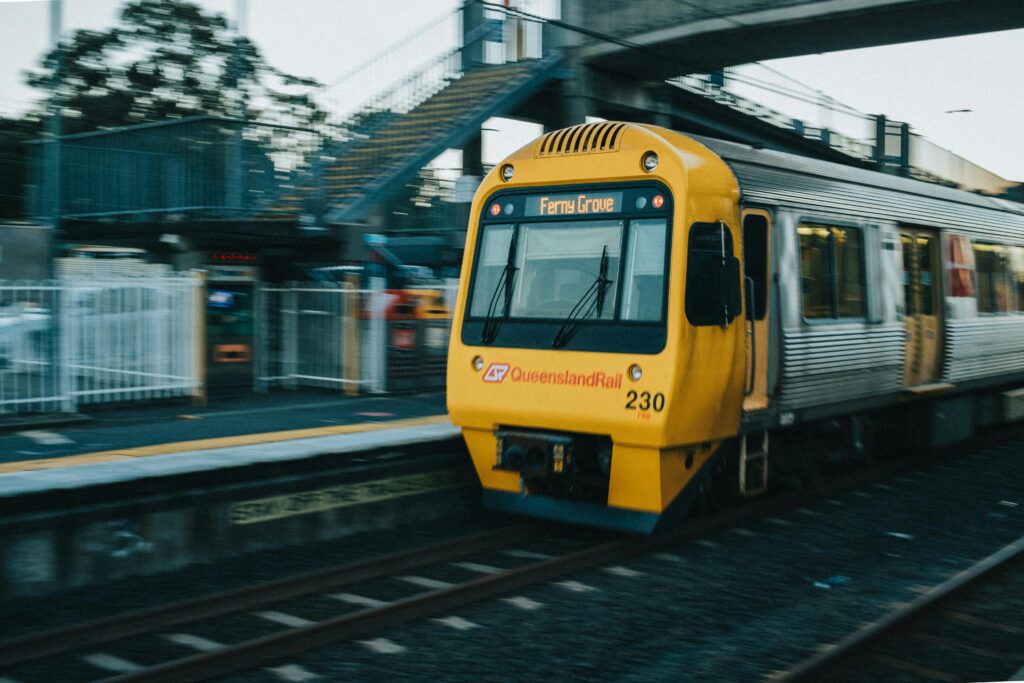
Public transport systems are run by states and territories, so rules and cards vary: Opal (NSW), Myki (Victoria), go card (Queensland), MetroCARD (South Australia), and others. Peak pricing is common, and accommodation, car hire, and flights often cost more during school holidays, public holidays, and major events. Without planning, everyday costs like food, fuel, and accommodation can quickly inflate a modest travel budget.
How to save on long-distance travel
For intercity travel, flying is usually more time-efficient and often cheaper than driving once you factor in fuel, wear and tear, and overnight stops. Domestic airlines carried over 5.5 million passengers in October 2025—a 3.8% increase on the previous year—and this demand pushed fares 3.2% higher. The pattern is clear: book early for peak periods and stay flexible with dates.
Best times to book flights
- Mid-week flights are often cheaper than Friday evenings or Sunday afternoons.
- Very early morning or late-night flights can offer significant savings.
- Flying a day before or after school holiday start/end dates can reduce costs.
- Budget airlines are great for short trips if you travel light; full-service carriers make sense when you need baggage or flexibility.
Using public transport smartly
Within cities, using local transport cards correctly is one of the easiest ways to save money. In Sydney, Opal cards (or contactless bank cards) come with daily and weekly caps. From mid‑2025, adults pay no more than $19.30 per day Monday to Thursday and $9.65 on Fridays, weekends, and public holidays, with a weekly cap of $50. Seniors and pensioners enjoy a $2.50 daily cap.
Examples of state transport systems
| State | Card | Key savings features |
|---|---|---|
| NSW | Opal | Daily/weekly caps, off-peak discounts |
| VIC | Myki | Free tram zone in Melbourne CBD |
| QLD | go card | Off-peak discounts, frequent user savings |
| SA | MetroCARD | Cheaper fares than paper tickets |
Tapping on and off correctly matters. Failing to tap off can trigger a maximum fare. Paper single tickets usually cost more than using the local card. Off-peak fares are another hidden win—shifting a commute by 30–60 minutes can reduce fares and avoid crowding.
Avoiding peak-hour delays and costs
In major cities, weekday morning peaks run roughly from 7am to 9am, and evenings from 4pm to 6:30pm. Roads and trains are busier, delays are more common, and many systems charge peak fares. Planning day trips to start after the commuter rush and returning later in the evening can mean cheaper fares, more comfortable travel, and fewer delays.
Regional travel hacks
For regional travel, flights aren’t the only option. Long-distance coaches offer budget-friendly alternatives between regional centres and capital cities. They take longer but can be ideal when you have more time than money.
Scenic train routes provide a different experience—more space, the ability to walk around, and landscape views—though schedules may be limited.
Overnight coaches or sleeper trains can double as transport and accommodation, saving a night’s hotel cost and giving you a full day at your destination.
Saving on accommodation
Accommodation is one of the biggest travel expenses, but locals use several strategies to keep costs down. Staying outside the CBD but near good public transport can significantly reduce nightly rates while still offering easy access to attractions. Inner and middle-ring suburbs often provide better value and a more authentic local feel.
| City | The “Inner-Ring” (Expensive) | The “Middle-Ring” (2026 Value) | Why it works |
| Sydney | CBD, Surry Hills, Rocks | Parramatta, Ashfield, Campsie | Parramatta is now a “second CBD.” Metro upgrades make these areas a 20-min ride to Central. |
| Melbourne | CBD, Southbank, Fitzroy | Footscray, Box Hill, Preston | Footscray is the new “cool” hub; Box Hill offers a massive high-rise hotel/apartment choice at suburban rates. |
| Brisbane | CBD, South Bank | Fortitude Valley, West End, New Farm | Still walkable but offers boutique apartments and better “nightlife” value than the quiet CBD. |
| Adelaide | CBD, North Adelaide | Prospect, Bowden, Glenelg | Bowden is a trendy, high-density village; Glenelg offers the beach + a 20-min tram to the city. |
Best times and places to stay
- Shoulder seasons (late February to April, October to early December) offer lower prices and milder weather.
- Serviced apartments are ideal for longer stays, offering kitchens and laundry facilities.
- Hostels now offer private rooms and family rooms at lower prices than hotels.
- Holiday parks and cabin stays are excellent for coastal towns and regional areas.
Cutting food and daily expenses
Food can quietly drain travel budgets. Eating like a local—rather than sticking to tourist strips—usually means better prices and bigger portions. Food courts, suburban eateries, and multicultural hubs offer excellent value.
Local food-saving strategies
- Look for lunch specials or mid-week deals at pubs and clubs.
- Use supermarkets for ready-to-eat meals, salads, or roast chickens.
- Choose Aldi or supermarket house brands to reduce grocery costs.
Cheap ways to get from Sydney Airport to the city
The Airport Link train adds a $15–$19 station access fee on top of standard Opal fares. Local travellers use several cheaper alternatives:
- Take a shuttle bus like Airlink to Mascot Station for $6–$8, then tap on for a regular train fare.
- Use regular bus routes such as the 400 or 420 for around $3.80.
- Split a pre-booked rideshare among a group—often $10–$15 per person.
- Walk 15–20 minutes from Terminal 1 to International Station to avoid shuttle costs entirely.
Free and low-cost attractions
Australia’s best attractions—beaches, national parks, and coastal walks—are often free. Museums and galleries in major cities typically offer free general admission, charging only for special exhibitions. City passes or multi-attraction tickets can offer discounts if you plan to visit several paid sights.
When car hire makes sense
Car hire is most worthwhile when exploring areas with limited public transport, travelling as a group, or planning flexible itineraries. Always factor in fuel, tolls, parking, and insurance excess reduction. Some navigation apps allow you to avoid toll roads, though this may increase travel time.
Fuel-saving strategies
Fuel prices in Australian cities move in cycles. Apps like Petrol Spy Australia help you track real-time fuel prices and identify the cheapest stations. Filling up at low points in the cycle or outside tourist-heavy areas can save significant amounts over long trips.
Using digital tools effectively
Each state’s transport agency offers apps with real-time departure information, disruption alerts, and fare calculators. Navigation apps help avoid tolls and heavy traffic.
Accommodation comparison sites allow you to track price changes and set alerts. Storing bookings in a digital wallet keeps everything organised.
Avoiding common travel mistakes
- Not checking school holiday dates, leading to higher prices and crowds.
- Staying only in CBD areas and paying premium rates.
- Eating exclusively in tourist hotspots.
- Underestimating travel distances and rushing itineraries.
Final thoughts
Australia rewards travellers who plan wisely. Using transport caps, booking flights outside peak dates, staying just outside the CBD, cooking some meals, and using fuel and transit apps can save hundreds or even thousands of dollars a year. With the right hacks, travelling across Australia becomes less about stress and more about enjoying beaches, bushland, and vibrant cities without dreading the credit card bill.
References
- Australian Competition and Consumer Commission
- Bureau of Infrastructure and Transport Research Economics
- Transport for NSW
- Public Transport Victoria
- Petrol Spy Australia
