Today’s episode is packed with everything you need to know about visiting a public beach in Australia, whether you’re planning your first trip or simply want to boost your local savvy. Imagine the sun on your skin, the sound of surf rolling in, the sizzle of sausages on the BBQ, and those unmistakable red‑and‑yellow flags fluttering in the breeze. Beaches here aren’t just places to dip your toes—they’re the heart of culture, relaxation, and sometimes, real adventure.
The culture of Australian beaches
Australian beaches are famously open to everyone. With roughly 12,000 beaches along 60,000 km of coastline[1], access is free and deeply ingrained in social norms. Unlike many countries, private beaches are virtually nonexistent—families, backpackers, migrants, and locals all share the same sand.
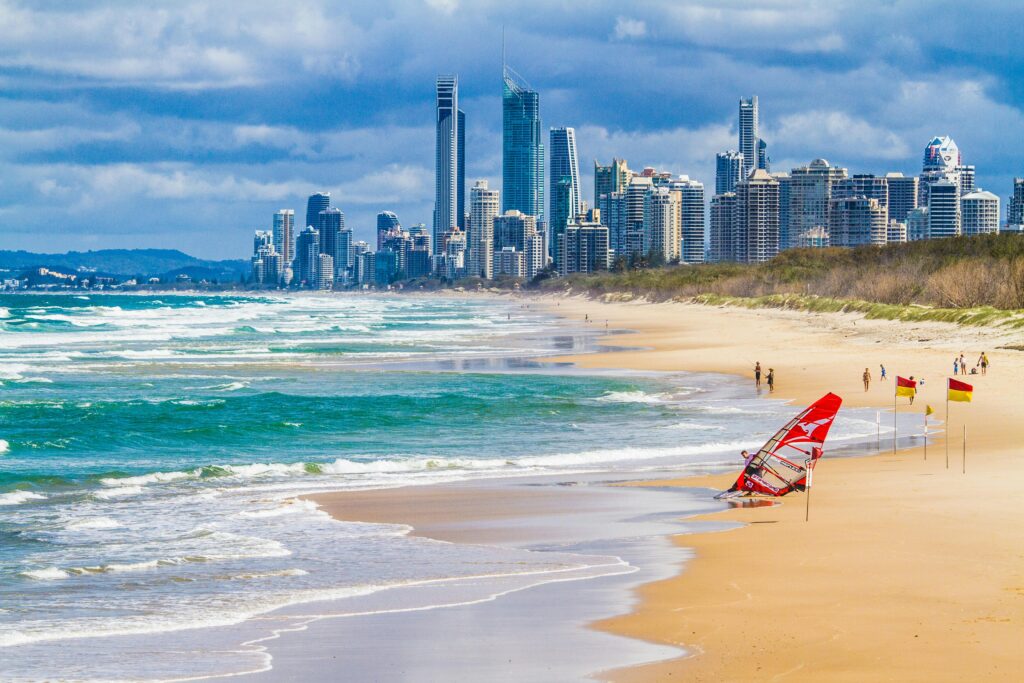
The vibe is laid‑back, multicultural, and family‑friendly. Surf lifesavers chat with teens, parents set up picnics, and you’ll see everything from hijabs to board shorts along the water. Summer, public holidays, and weekends turn beaches into community hubs.
Understanding the red‑and‑yellow flags
On any patrolled beach, the red‑and‑yellow flags mark the safest place to swim. Lifeguards move these flags daily based on conditions. Swimming between them isn’t just a rule—it’s a lifesaving habit.
| Flag or sign | Meaning | What you should do |
|---|---|---|
| Red‑and‑yellow flags | Patrolled safe swimming zone | Always swim between the flags |
| Black‑and‑white flags | Surfboard and board‑rider zone | Keep out if you’re swimming |
| Red flag | Beach closed | Do not enter the water |
| Warning signs | Hazards like rips, jellyfish, or strong surf | Read carefully and follow instructions |
Rips are the number one cause of rescues[2]. Even strong swimmers can be caught off guard. If unsure, ask a lifeguard—they’re trained, friendly, and happy to help.
Facilities you’ll find at most beaches
Australian beaches are designed for comfort and convenience. Expect outdoor showers, toilets, changing rooms, picnic shelters, playgrounds, and BBQ stations. Popular beaches like Bondi, Surfers Paradise, and Glenelg have kiosks, surf clubs, and cafés nearby. Smaller local beaches may be simpler but still offer water taps and bins.
Sun safety and UV awareness
Australia’s UV index can reach extreme levels—even on cloudy days. Skin cancer rates are among the highest in the world[3], so sun protection is non‑negotiable.
The classic Aussie mantra applies: Slip, Slop, Slap, Seek, Slide.
- Slip on protective clothing
- Slop on SPF 30+ sunscreen
- Slap on a hat
- Seek shade
- Slide on sunglasses
Hydration is essential. Most locals avoid the hottest hours (11 a.m.–2 p.m.) and prefer early mornings or late afternoons when UV is lower and the light is beautiful.
Beach rules and etiquette
Beaches are welcoming, but there are rules to keep them safe and enjoyable:
- Alcohol is banned at most public beaches
- Glass is prohibited
- Use bins and leave no rubbish behind
- Keep speakers at a respectful volume
- Stay out of surfboard‑only zones
- Give others space—don’t set up too close
Wildlife you may encounter
Jellyfish and bluebottles appear seasonally—look for warning signs and avoid touching tentacles washed ashore. Seagulls will steal your chips if you’re not careful. Dolphins sometimes pass by, delighting swimmers. Shark warnings are rare but taken seriously; many beaches use drones and alarms to monitor conditions[4].
Parking, crowds, and getting there
Parking can be tricky at major beaches, especially on summer weekends and holidays. Paid parking is common, so use apps or set reminders. Public transport is often the easiest option for urban beaches.
For a quieter experience, go early, midweek, or during cooler weather. Sunrise is ideal for photographers and swimmers seeking calm water.
What to pack for a perfect beach day
- Hat and sunglasses
- Plenty of water
- Snacks or a picnic
- Trusted sunscreen
- Beach towel or mat
- Light clothing or rashie for sun protection
- A bag for rubbish
Final thoughts
Australian beaches offer free fun, natural beauty, and a warm welcome to all. Respect the flags, follow lifeguard advice, protect yourself from the sun, and leave the beach as clean as you found it. Most importantly, relax and enjoy the laid‑back Aussie beach atmosphere—it’s one of the country’s greatest gifts.
If you enjoyed this guide, subscribe to “Living in Australia” and leave a five‑star review. See you at the beach!
