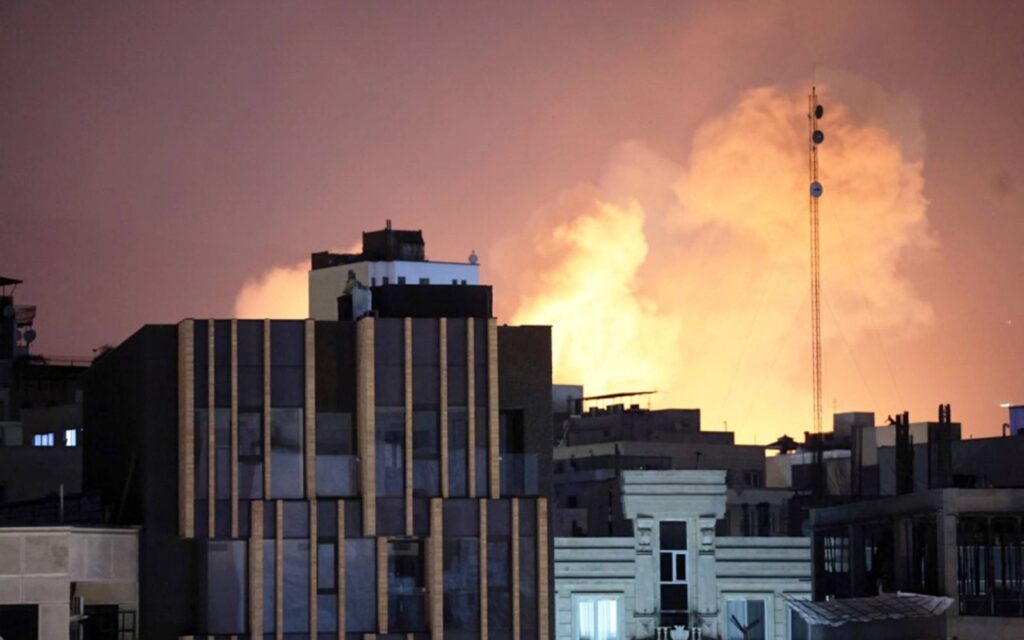
Recent attacks on Iran have heightened fears for OFWs in the Middle East, but a timeless safety playbook can protect Filipino workers abroad for years to come. This comprehensive 1,000+ word guide equips you with practical, actionable steps that stay relevant through any crisis—wars, natural disasters, or sudden evacuations.
Emergency playbook overview
Over 1.5 million Filipinos work in the Middle East, primarily in Saudi Arabia, UAE, Qatar, and Kuwait. Construction workers in labor camps, domestic helpers in private homes, nurses in hospitals—all face unique risks when tensions escalate. This guide draws from decades of Philippine government protocols, real OFW experiences, and proven crisis management strategies. Whether you’re packing for deployment or already abroad, these steps create peace of mind for you and your family back home.
Think of this as your personal OFW survival manual: embassy contacts, go-bag checklists, family communication plans, financial buffers, and post-crisis recovery. Bookmark it, share it with your batchmates, and review it quarterly. Preparation today prevents panic tomorrow.
Know your lifelines first
Step 1: Register immediately with the Department of Migrant Workers (DMW) and Overseas Workers Welfare Administration (OWWA) before departure. This mandatory step activates life-saving benefits during crises—free repatriation flights, emergency loans, medical evacuation, even death and disability compensation. Without registration, you’re on your own.
Step 2: Save critical hotlines across all devices (phone contacts, WhatsApp, Notes app). Key numbers include:
- Riyadh Embassy: +966-11-488-4100
- DMW Crisis Line: +632-8722-1144
- OWWA Helpline: +632-8722-1144
- DFA iCrisis App: Download from App Store/Google Play
Philippine embassies monitor OFWs 24/7 through their migrant worker desks. During the 2020 Beirut port explosion and recent Gulf tensions, these posts coordinated food distribution, shelter, and charter flights for thousands. Your registration makes you visible when seconds count.
Alert Level System: DFA uses 4 levels—1 (normal), 2 (heightened vigilance), 3 (voluntary repatriation), 4 (mandatory evacuation). Level 3 recently activated post-Iran strikes. Check pna.gov.ph or the iCrisis app daily during tensions.
Build your go-bag and documents kit
Your go-bag is your lifeline when minutes matter. Pack one that fits airline carry-on limits (7kg) and stays accessible—under your bed, by the door, never buried in storage. Here’s what belongs inside:
| Item | Why It Matters | Pro Tip |
|---|---|---|
| Passport + Visa Copies | Evacuation priority | Laminate originals; scan to Google Drive |
| Employment Contract | Claim wages/benefits | Highlight employer name, salary, duration |
| Emergency Cash (USD/PHP/SAR) | ATMs fail in chaos | ₱50K + $500 + 2,000 SAR; divide across bags |
| Power Bank + SIM Cards | Stay connected | 20,000mAh; Philippines/employer SIMs |
| OWWA ID + Medical Records | Access government aid | Prescription copies for 90 days |
| Family Contacts List | Next-of-kin verification | Printed + digital; include barangay captain |
Digital backup is critical: Email yourself PDF scans of everything. Use secure cloud storage (Google Drive, Dropbox) with two-factor authentication. Construction workers in remote camps often lose physical documents during sudden moves—digital copies saved thousands during Gulf crises.
Pro habit: Test your kit quarterly. Replace expired meds, update contacts, verify cash amounts. What takes 15 minutes now prevents hours of stress later.
Daily Safety Habits That Save Lives
During alerts: Stay in employer-provided bunkers. Avoid public demonstrations, border zones, or tourist areas. Middle East construction camps often lock down during tensions—treat this as protection, not punishment.
Peer intelligence: Join verified OFW Facebook groups for your country/sector (e.g., “Filipino nurses in Saudi Arabia“, “Pinoys in UAE“). These networks share real-time intel about road closures, employer instructions, and safe routes faster than official channels.
Family check-in protocol: Set fixed daily text times (8AM/8PM your time) via WhatsApp or Signal. Share GPS location if safe. Sample message: “Safe at camp. Following embassy advisory. Love you.” Limit news consumption to pna.gov.ph and embassy social media—unverified TikTok videos trigger unnecessary panic.
3 Crisis Response Steps
- Alert Confirmed (Level 2-3): Verify through embassy/DMW only. Secure go-bag. Notify family and employer. Stay put unless instructed otherwise.
- Evacuation Order (Level 4): Proceed to designated muster points with go-bag only. OWWA covers repatriation flights, 23kg luggage, even pets in some cases.
- Post-Crisis Recovery: File wage claims through DMW single window. Access reintegration loans (up to ₱100K), livelihood assistance, and TESDA online skills training for career pivots to stable markets like Australia or Canada.
| Scenario | Immediate Action | Government Support |
|---|---|---|
| Airspace Closed | Shelter in place | Embassy food rations, medical aid |
| Repatriation Call | Report to embassy | Free flights, 23kg luggage, cash assistance |
| Job Loss/Wage Theft | File at DMW | Legal aid, backpay recovery, reintegration loans |
Family Communication Blueprint
Back home, families need structure during your crisis. Script these calls: “I’m safe, following embassy instructions. Camp is locked down but food/electricity okay. Talk tomorrow.” Teach children your embassy numbers and OWWA hotline. Create a shared Google Doc for status updates—extended family can monitor without constant calls.
Financial Buffer Formula
Target 6 months’ basic expenses (₱150K-200K) in a Philippine bank with remittance services (BPI, BDO, Landbank). Smart allocation:
- 50% High-yield savings (BPI, Unionbank 4-6% interest)
- 30% Pag-IBIG MP2 (6.5-7.5% tax-free, 5-year term)
- 20% Liquid emergency cash (USD/PHP split)
Conflicts interrupt salaries for 1-3 months. Your buffer bridges the gap until government aid and new contracts kick in.
Start Today: 15-Minute Action Plan
- Register with DMW/OWWA (10 mins)
- Download iCrisis app + save 4 hotlines
- Build go-bag this weekend (Week 1 goal)
- Share with batchmates/kababayan groups
