- Emergency services in Saudi Arabia are fast, organized, and accessible through dedicated hotlines for police, ambulance, and civil defense.
- Filipinos should know the correct emergency numbers, what information to give, and how to communicate clearly with responders.
- Many OFWs experience emergencies related to health, workplace accidents, or road incidents, making preparedness essential.
- Understanding how hospitals, embassies, and employers coordinate during emergencies helps protect your safety and rights.
- With the right knowledge and habits, Filipinos can respond confidently and effectively during urgent situations in the Kingdom.
Emergencies can happen anywhere, at home, at work, or on the road. For Filipinos working in Saudi Arabia, knowing how to call for help is not just useful; it can save lives. Many OFWs experience situations like sudden illness, workplace injuries, or road accidents, and the first few minutes often determine the outcome.
This guide explains how emergency services work in Saudi Arabia, what Filipinos should expect, and how to respond calmly and effectively. Whether you are planning to work abroad or already living in the Kingdom, understanding these systems gives you confidence and peace of mind.
What Filipinos should expect when calling emergency services
Saudi Arabia has a modern, centralized emergency response system. Calls are handled by trained operators who dispatch the nearest available team.
Here is what to expect:
- English-speaking operators are usually available, but speaking slowly helps avoid confusion.
- Location accuracy is important because responders rely on landmarks, street names, and map pins.
- Response times vary depending on traffic, city size, and the type of emergency.
- Medical responders are well-trained, especially in major cities like Riyadh, Jeddah, and Dammam.
- Police and civil defense coordinate closely during accidents, fires, or major incidents.
A Filipino hotel worker in Jeddah once shared that when his roommate fainted due to heat exhaustion, the ambulance arrived within 12 minutes after he provided clear directions and stayed calm on the call.
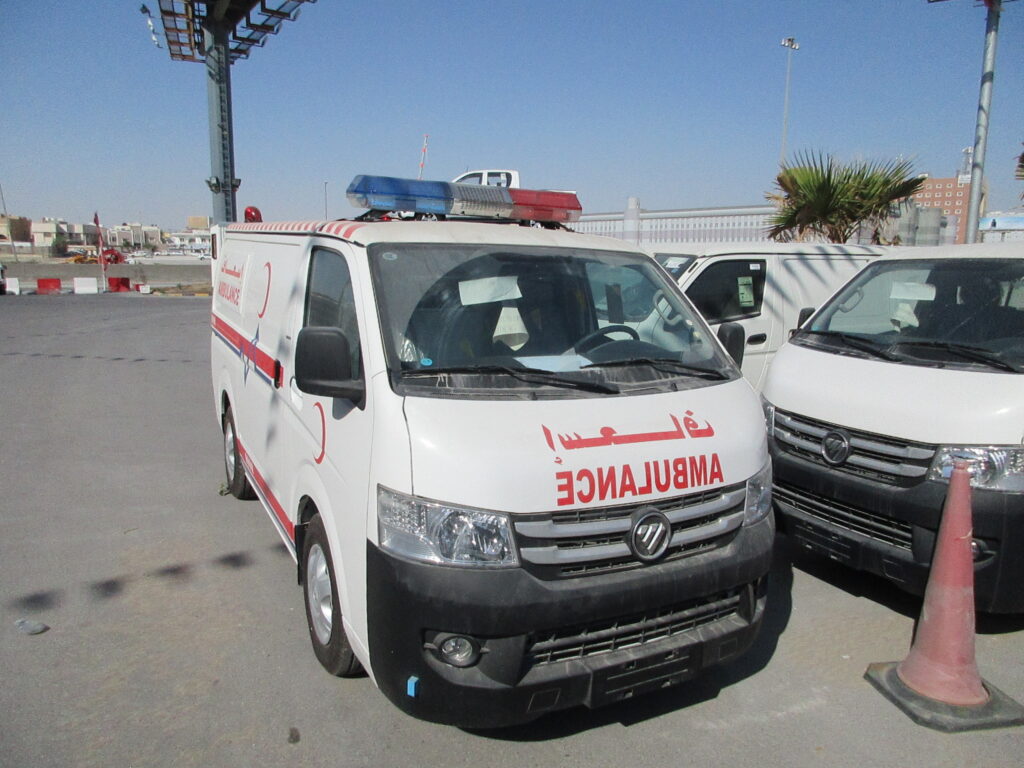
Emergency numbers every Filipino should memorize
Saudi Arabia uses different hotlines depending on the emergency. Keeping these numbers saved on your phone is essential.
Main emergency hotlines
| Service | Number | When to Call |
|---|---|---|
| Unified Emergency Hotline | 911 (Western, Northern, Eastern regions) | Any emergency requiring police, ambulance, or civil defense |
| Police | 999 | Crime, theft, harassment, or safety threats |
| Ambulance | 997 | Medical emergencies, accidents, sudden illness |
| Civil Defense | 998 | Fire, building collapse, gas leaks |
| Traffic Accidents (Najm) | 9200 00560 | Car accidents involving insurance claims |
| Ministry of Health Hotline | 937 | Medical advice, hospital complaints, COVID-related concerns |
| Philippine Embassy Riyadh | +966 11 482 3559 | Assistance for Filipinos in distress |
| Philippine Consulate Jeddah | +966 12 667 0925 | Assistance for Filipinos in Western Region |
These numbers are active 24/7 and are designed to respond quickly to emergencies involving residents and expatriates.
Requirements and qualifications when seeking emergency help
Most emergency services do not require documents during the call, but you may need them once responders arrive.
Common requirements include:
- Iqama (residence ID)
- Employer ID (if the incident happened at work)
- Location details (building number, street, compound name)
- Basic personal information (name, nationality, contact number)
Hospitals may also ask for:
- Insurance card
- Employer contact details
- Medical history (if available)
A Filipino nurse in Riyadh shared that even without an insurance card, emergency rooms will still accept patients in life-threatening situations. Payment or documentation is handled afterward.
Step-by-step guide to calling emergency services
1. Stay calm and assess the situation
Check if the person is conscious, breathing, or bleeding. Quick assessment helps you explain the situation clearly.
2. Dial the correct emergency number
Use 911 in most major regions, or 997 for medical emergencies.
3. State your emergency clearly
Use simple English such as:
- “My friend is unconscious.”
- “There is a fire in the building.”
- “There has been a car accident.”
4. Provide your exact location
Include:
- City
- District
- Street name
- Nearby landmarks
- Building or compound name
- Gate number (if inside a compound)
5. Answer the operator’s questions
They may ask:
- How many people are injured
- Whether the person is breathing
- If there is fire, smoke, or danger
- Your phone number for follow-up
6. Follow instructions
Operators may guide you through basic first aid until responders arrive.
7. Stay on the line
Do not hang up until the operator confirms the call is complete.
Daily life realities: common emergencies OFWs encounter
Filipinos in Saudi Arabia often face emergencies related to:
- Heat exhaustion during summer
- Workplace injuries in construction, factories, or hotels
- Road accidents due to fast traffic
- Chronic health issues like hypertension or diabetes
- Fire incidents in old apartments or staff housing
- Mental health crises due to stress or isolation
A Filipino driver in Dammam shared that when he witnessed a minor road accident, calling Najm helped document the incident properly and avoid legal issues.
Pros and cons of emergency services in Saudi Arabia
Advantages
- Fast response in major cities
- English-speaking operators
- Modern ambulances and trained paramedics
- Clear hotline system
- Hospitals equipped for trauma and critical care
Disadvantages
- Slower response in remote areas
- Language barriers in smaller towns
- Strict legal procedures after accidents
- Confusion for new OFWs unfamiliar with local systems
Common challenges and practical solutions
1. Difficulty explaining the situation
Solution: Use simple English and avoid long explanations. Focus on what happened and where.
2. Not knowing the exact location
Solution: Save your home and workplace location on Google Maps. Learn nearby landmarks.
3. Fear of legal consequences
Solution: Saudi law protects callers who report emergencies in good faith. Always prioritize safety.
4. Panic during emergencies
Solution: Practice emergency scenarios mentally. Knowing the steps reduces fear.
5. No insurance card during hospital visits
Solution: Hospitals will still treat life-threatening cases. Provide your iqama and employer details afterward.
Realistic examples from OFW life
- A domestic worker in Riyadh called 997 when her employer collapsed. The ambulance arrived quickly because she provided the villa number and district clearly.
- A Filipino welder in Jubail suffered a hand injury. His coworker called 911, and the operator guided them on how to stop the bleeding while waiting for responders.
- A teacher in Jeddah used the Ministry of Health hotline (937) to get advice on severe migraine symptoms before going to the hospital.
- A factory worker in Dammam reported a fire using 998, helping prevent the incident from spreading to nearby buildings.
These stories show that preparedness and clear communication make a big difference.
Additional tips for Filipinos living in Saudi Arabia
- Save all emergency numbers on your phone.
- Keep your iqama and insurance card accessible.
- Learn basic first aid.
- Know the nearest hospital to your home and workplace.
- Join Filipino community groups for support.
- Inform your family about emergency procedures.
Conclusion
Accessing emergency services in Saudi Arabia is straightforward once you know the right numbers, the correct steps, and what to expect. For Filipinos working abroad, this knowledge is essential for safety, confidence, and peace of mind. Emergencies are unpredictable, but preparation makes all the difference.
By staying calm, communicating clearly, and understanding how the system works, you can protect yourself and others during critical moments. Your safety matters, and knowing how to act during emergencies is one of the most important skills you can bring with you as an OFW.
