The dream of working in Canada has long been a top priority for many Filipinos. While many focus on nursing or accounting, a massive opportunity exists in the heart of Canada’s agricultural sector: Greenhouse Production.
Canada’s greenhouse industry in provinces like Ontario, British Columbia, and Alberta is expanding at a record pace. Because these crops grow in climate-controlled environments, the work is steady and less dependent on Canada’s harsh winter. For the hardworking Filipino—whether you are a farmer from the provinces or a former factory worker—this role offers a stable pathway to Canadian residency and significantly higher remittances.
Under the 2026–2028 Immigration Levels Plan, the government has announced a specific initiative to transition up to 33,000 temporary workers to permanent residency. This targets workers who have established roots in their communities and are helping build the “Essential Economy.”
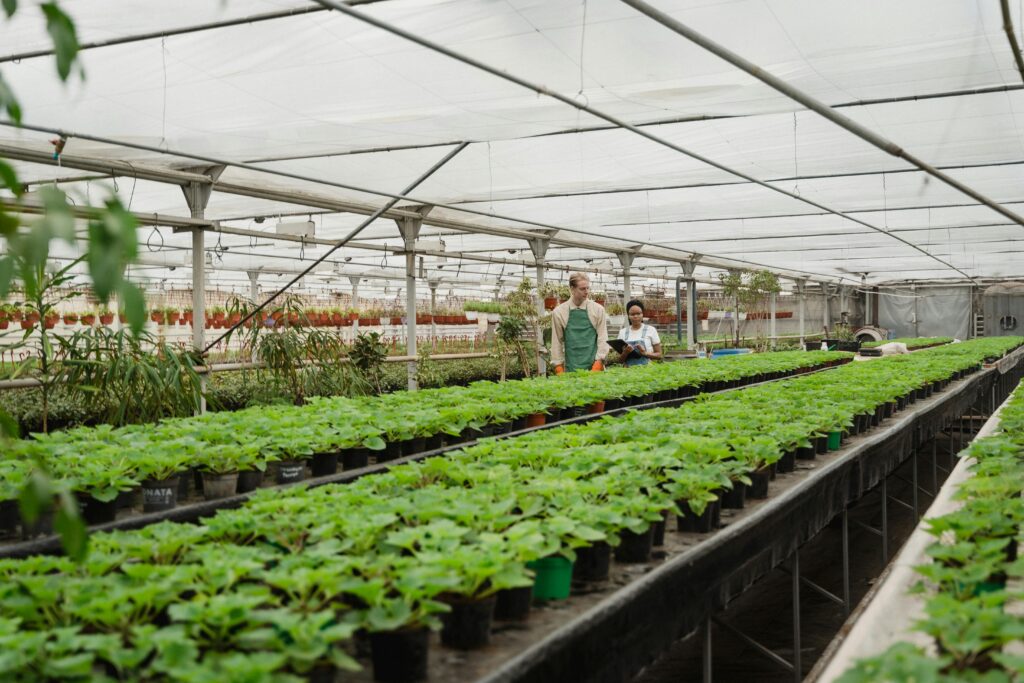
Why Canada needs greenhouse workers
The growing labor shortage
Canada produces billions of dollars worth of tomatoes, cucumbers, and flowers annually. Rural hubs like Leamington, Ontario and the Fraser Valley in British Columbia rely heavily on the Temporary Foreign Worker Program (TFWP) to meet demand.
| Region | Primary Sector | Key Program | 2026 Status |
| Leamington, ON | Greenhouse/Agribusiness | SAWP / AgStream | High demand; ~25% of population is temporary labor. |
| Fraser Valley, BC | Berries, Dairy, Nursery | SAWP / AgStream | Critical reliance; heavy focus on housing compliance. |
| General Canada | Low-Wage TFWP | TFWP (LMIAs) | 27% reduction in targets; moratorium in high-unemployment cities. |
Recruiters for “Leamington Greenhouses” are looking for more than just physical strength. They are looking for “Digital Literacy”—the ability to use tablets for crop scouting and monitoring systems. Mentioning your comfort with these tools alongside your farming background is what will set you apart from other applicants.
Why Filipinos?
Canadian employers highly value Overseas Filipino Workers for their strong work ethic, English proficiency, and adaptability. Unlike seasonal field work, greenhouse work is often year-round, offering a more stable income and predictable schedules.
Requirements: Do you qualify?
- Education: A High School or Senior High School diploma is generally sufficient. TESDA courses in Horticulture or Agricultural Crops Production are a big plus.
- Physical fitness: You must be able to stand for 8–10 hours, bend over rows, and lift crates (20–50 lbs).
- Language: Functional English is enough to follow safety signs and supervisor instructions.
Skills you must master
Plant care
You will monitor plant growth using high-tech drip irrigation systems and learn to recognize “stressed” plants showing signs of wilting or nutrient deficiency. This includes checking leaf color, stem strength, and overall plant vigor.
Where to learn: TESDA’s Horticulture NC II or Organic Agriculture courses teach plant physiology and irrigation basics. You can also volunteer in local farms or urban gardens to gain hands-on experience.
Precision harvesting
Precision harvesting means picking produce without damaging the “mother” vine and following strict standards for size, color, and ripeness. You will also learn grading and sorting for export markets.
Where to learn: TESDA’s Agricultural Crops Production NC II covers harvesting and post-harvest handling. You can also gain experience through cooperatives or packing centers.
Integrated pest management (IPM)
Canada uses “beneficial insects” to control pests. You will be trained to spot aphids, mites, mold, or fungal diseases early to prevent outbreaks.
Where to learn: The DA Agricultural Training Institute (ATI) offers free seminars on pest management. Local farming groups also provide hands-on exposure to common pests and IPM techniques.
Daily tasks: Life under the glass
A typical day usually starts around 7:00 AM. Tasks include:
- Seeding & propagation: Sowing seeds in trays and ensuring proper moisture.
- Pruning & suckering: Removing dead leaves and extra shoots to improve yield.
- Training vines: Guiding cucumbers, tomatoes, or peppers upward along trellises.
- Packing: Washing, labeling, and loading pallets for grocery chains.
Salary, benefits, and the Filipino setting
Hourly rates and overtime
- Entry-level rate (2026): CAD 17–22 per hour
- Monthly gross: ₱120,000–₱150,000
- Overtime: Paid at 1.5x after 44 hours per week
Housing and community
Employers often provide shared housing at CAD 30–100 per week. You will likely live with other OFWs, sharing meals, celebrating Filipino holidays, and supporting each other through homesickness.
Workplace challenges and how to overcome them
- Heat and humidity: Greenhouses can reach over 30°C.
Solution: Hydrate often and use the buddy system. - Repetitive strain: Thousands of pruning motions daily.
Solution: Do micro-stretches and rotate tasks when possible. - Social isolation: Rural winters can feel lonely.
Solution: Join Filipino church groups or OFW associations. - Strict safety rules: Canadian OHS rules are detailed and strict.
Solution: Ask for Tagalog translations or demonstrations.
The legal pathway: How to get there
- LMIA: Employer proves no Canadian worker is available.
- Work permit: Apply under NOC 85103 once you have an LMIA and job offer.
- Permanent residency: Transition through the Agri-Food Pilot Program.
Life in rural Canada
While it can be -30°C outside, you work in a comfortable 20–25°C greenhouse. Rural towns are quiet, safe, and community-oriented, offering a slower pace of life compared to big cities.
Expect fewer malls and restaurants but more open fields, fresh air, and friendly neighbors. Most agricultural hubs have remittance centers, Filipino groceries, and active church fellowships that become your support system.
Public transport is limited, so many OFWs eventually learn to drive and buy second-hand cars to make errands and community activities easier.
Frequently Asked Questions
Do I need farming experience?
No. Employers accept applicants with factory, warehouse, or manual labor backgrounds.
Can greenhouse work lead to permanent residency?
Yes. The Agri-Food Pilot Program supports greenhouse workers transitioning to PR.
Is greenhouse work easier than fruit picking?
It’s less weather-dependent but still physically demanding with long hours and humidity.
Can I bring my family?
Not immediately. Most permits don’t allow dependents, but PR will let you sponsor them.
How do I avoid scams?
Verify job orders on the DMW website and avoid unlicensed recruiters or “direct hire” offers.
Conclusion: Your next steps
Greenhouse work is physically demanding but life-changing. If you are ready to work hard, Canada offers a secure future for you and your family.
Action plan
- Check the DMW website for active job orders.
- Update your resume with farming or manual labor experience.
- Use only licensed recruitment agencies.
FAQ: Greenhouse Worker Jobs in Canada for Filipinos
1. What does a greenhouse worker do in Canada?
Greenhouse workers plant, prune, harvest, pack, and maintain crops such as vegetables, fruits, and flowers. Tasks also include cleaning work areas, monitoring plant health, and operating basic farm tools or equipment.
2. Are Filipinos in demand as greenhouse workers in Canada?
Yes. Canada regularly hires Filipino greenhouse workers due to labor shortages in agriculture. Many employers recruit through the Temporary Foreign Worker Program (TFWP) and the Agri-Food Pilot.
3. How much is the salary of greenhouse workers in Canada?
Wages vary by province but generally follow Canada’s agricultural wage standards. Workers may earn more through overtime, productivity bonuses, and seasonal peak work.
4. What qualifications do Filipino applicants need?
Basic requirements include physical fitness, willingness to work in varying temperatures, and the ability to perform repetitive tasks. Some employers prefer applicants with farm or greenhouse experience, but many accept first-time workers.
5. Do I need experience to apply as a greenhouse worker?
Experience is an advantage but not always required. Employers often provide on-site training for planting, pruning, and harvesting tasks.
6. What documents are needed for application?
Common requirements include a valid passport, resume, medical exam, police clearance, employment contract, and DMW processing documents. Some employers may require reference letters or skills assessments.
7. Is greenhouse work physically demanding?
Yes. The job involves long hours of standing, bending, lifting, and working in warm or humid environments. Workers must be physically fit and prepared for repetitive tasks.
8. How can Filipinos avoid illegal recruiters?
Apply only through DMW-accredited agencies, verify job orders on the DMW website, and avoid recruiters who ask for placement fees without receipts. Legit employers provide written contracts and transparent processing.