Summary
- Cruise ships are floating cities offering tax-free income, free food and lodging, and global travel opportunities.
- Filipinos make up 25–30% of the global cruise workforce, making ships one of the most Filipino-friendly workplaces abroad.
- There are four major career tracks: hotel and guest experience, technical and licensed roles, concessionaire jobs, and entertainment.
- Salaries range from $800 plus commissions to $5,000 for technical specialists, depending on experience and department.
- Applying through DMW-accredited agencies ensures safe, legal, and legitimate deployment.
The “floating city” opportunity
Modern cruise ships are massive floating cities, some carrying 3,000 to 7,000 passengers and thousands of crew members. These ships operate like full-service resorts, complete with restaurants, theaters, spas, casinos, medical centers, and engineering departments.
Filipinos are a natural fit for this world. Today, nearly 25–30% of the global cruise workforce is Filipino. When you join a ship, you are not just joining a company; you are joining a global community where Filipinos are respected for their hospitality, resilience, and teamwork.
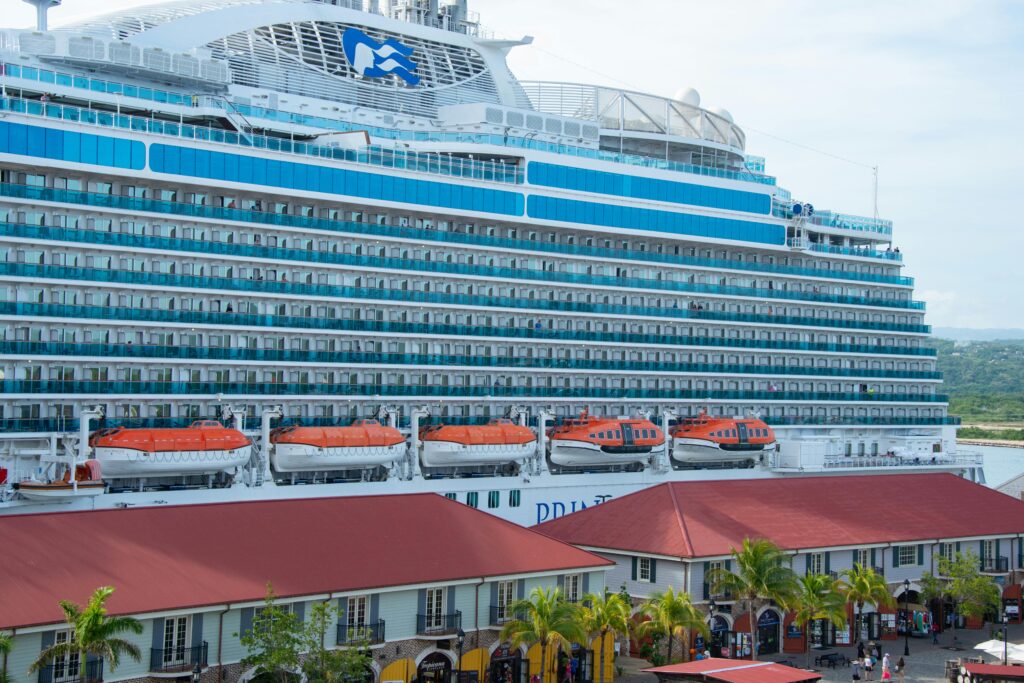
For many overseas Filipino workers, cruise ship work offers something unique: tax-free income, free food and accommodation, and the chance to travel to places like Alaska, the Caribbean, Europe, and Japan, all while building a stable career.
Career tracks: where do you fit?
Below are the four major divisions, with one-sentence requirement summaries for each job category to help you see where you might fit best.
1. The hotel and guest experience division (high volume)
This is the hospitality engine of the ship and is ideal for Filipinos with service backgrounds and strong people skills.
Culinary and galley
- Line cooks, pastry chefs, bakers, butchers
Requirement: Usually 1–2 years of hotel or restaurant kitchen experience, plus basic culinary training.
Food and beverage
- Waiters, assistant waiters, baristas, bartenders, wine sommeliers
Requirement: At least 1 year of food and beverage experience; bartenders often need mixology or bar training.
Housekeeping
- Cabin stewards, laundrymen, public area cleaners
Requirement: Around 1 year of housekeeping experience in hotels or resorts; cabin stewards must have strong English communication skills.
Guest services
- Front desk receptionists, concierges, shore excursion guides
Requirement: 1–2 years of hotel front desk or customer service experience, plus excellent English and problem-solving skills.
2. The specialized and technical division
These roles require professional licenses, technical training, or specialized experience.
Deck and engine
- Ordinary seamen, electricians, plumbers, engineers
Requirement: Maritime certificates or trade licenses; electricians and plumbers typically need 2–3 years of technical experience.
Medical
- Registered nurses, ship physicians
Requirement: Nurses must have ER or ICU experience; physicians need board certification and solid clinical practice.
IT and digital
- Systems managers, satellite communications technicians, digital media producers
Requirement: IT degree or equivalent experience; digital media roles require video editing, broadcasting, or content production background.
3. The concessionaire roles (specialty partners)
These roles are often hired through third-party companies that partner with cruise lines.
Wellness and beauty
- Massage therapists, hair stylists, acupuncture physicians
Requirement: TESDA or international certification; spa therapists usually need 1–2 years of spa or wellness experience.
Retail and sales
- Jewelry sales associates, watch specialists, art auctioneers
Requirement: Retail or luxury sales experience; art auctioneers need strong presentation and public speaking skills.
Casino
- Dealers, slot technicians, cashiers
Requirement: Casino training or prior casino experience; dealers must pass table games certification and demonstrate quick math skills.
4. Entertainment and enhancement
These roles are perfect for creative and energetic Filipinos who enjoy performing or working behind the scenes.
Performers
- Dancers, singers, musicians, aerial artists
Requirement: Professional performance experience and successful audition with the cruise line or casting partner.
Operations
- Sound and light technicians, stage managers, broadcast technicians
Requirement: Technical theater, audio-visual, or broadcasting experience, often with portfolio or work samples.
Youth and sports
- Kids’ club counselors, lifeguards
Requirement: Childcare, teaching, sports coaching, or recreation background; lifeguards need valid lifeguard certification.
2026 salary estimates (monthly in USD)
Salaries vary by cruise line, experience, and department. The table below provides general ranges based on public cruise career pages and recruitment partners.
| Position | Base salary (USD) | Tips/Commission |
|---|---|---|
| Cabin Steward | 1,700 – 2,500 | High tips |
| Waiter / Assistant Waiter | 1,200 – 2,200 | Gratuities included |
| Barista | 900 – 1,400 | Tips |
| Bartender | 1,200 – 2,000 | High tips |
| Line Cook | 1,200 – 1,800 | Fixed |
| Chef de Partie | 1,800 – 2,800 | Fixed |
| Spa Therapist | 800 + commission | High commission |
| Hair Stylist | 900 + commission | High commission |
| Casino Dealer | 1,500 – 3,000 | Tips |
| Retail Sales Associate | 1,200 – 2,000 | Commission |
| Kids’ Club Counselor | 1,500 – 2,200 | Fixed |
| IT Specialist | 2,500 – 5,000 | Fixed |
| Registered Nurse | 3,000 – 4,500 | Fixed |
| Electrician | 2,000 – 3,500 | Fixed |
Salary sources (for reference):
- Royal Caribbean Careers – https://www.royalcaribbeangroup.com/careers
- Carnival Cruise Line Careers – https://jobs.carnival.com
- Norwegian Cruise Line Holdings – https://www.nclhltd.com/careers
- OneSpaWorld (Spa & Wellness) – https://www.onespaworld.com/careers
- Park West Gallery (Art Auctions) – https://www.parkwestgallery.com/careers
Remember: food, accommodation, and utilities are free, so a large portion of your salary can go directly to savings or investments.
The legit application roadmap
1. Prepare your passport
Ensure your passport is valid for at least 18 months from your expected deployment date.
2. Apply only through DMW-accredited agencies
This protects you from illegal recruitment and ensures your contract is recognized by the Philippine government.
Top agencies include:
- Magsaysay Maritime
- Jebsen PTC
- CF Sharp
- United Philippine Lines (UPL)
3. Complete required training
- STCW Basic Safety Training
- SDSD (Ship Security)
- Crowd and Crisis Management (for many guest-facing roles)
4. Pass the medical exam
You must pass a Pre-Employment Medical Exam (PEME) at a DMW-accredited clinic to ensure you are fit for shipboard work.
5. Visa processing
Once hired, the cruise line typically assists with your C1/D visa (for US ports) and, if needed, Schengen visa for Europe-based ships.
Pro-tips for aspiring cruisers
1. Do not resign too early
The hiring and deployment process can take 3–6 months; wait for your final deployment date before leaving your current job.
2. Build your English and customer service skills
Guest-facing roles require clear communication, patience, and the ability to handle complaints professionally.
3. Learn a second language
Basic Spanish, Mandarin, or German can help you qualify for higher-paying roles and faster promotions.
4. Highlight resilience in your resume
Cruise lines value workers who can handle long hours, pressure, and multicultural environments; include examples from past jobs.
5. Prepare financially before boarding
Set aside money for uniforms, safety shoes, grooming kits, and initial personal expenses during your first contract.
6. Practice “ship life” habits early
Start building routines for sleep, time management, and physical fitness to prepare for long workdays at sea.
7. Build experience on land first
Even one year in hotels, restaurants, spas, casinos, retail, or customer service can significantly improve your chances of being hired.
8. Join Filipino cruise worker communities
Online groups and forums can give you real-life insights, referrals, and practical tips about life and work onboard.
Your global adventure starts here
Cruise ship jobs offer Filipinos a unique combination of travel, tax-free income, and long-term career growth. Whether you dream of working in hospitality, entertainment, technical operations, wellness, or retail, there is a place for you onboard.
With the right preparation, training, and agency support, you can join the thousands of Filipinos who have built successful careers at sea while exploring the world and securing a better future for their families.
Your journey begins with one decision: to step aboard and embrace the adventure.
FAQ: Cruise Ship Jobs for Filipinos
1. What are the most common cruise ship jobs for Filipinos?
Filipinos commonly work in housekeeping, food and beverage service, galley operations, front desk, retail, spa and wellness, entertainment, and technical or engine department roles. Many cruise lines prefer Filipino workers for their hospitality and work ethic.
2. What qualifications do I need to work on a cruise ship?
Basic requirements include a valid passport, relevant work experience, good English communication skills, and STCW training. Some positions require specialized certifications or hospitality experience.
3. How much is the salary of cruise ship workers?
Salaries vary by position. Entry‑level roles like housekeeping and dining staff earn modest base pay but can receive high tips. Specialized roles such as chefs, spa therapists, and technicians earn significantly more.
4. Do I need experience to apply for cruise ship jobs?
Yes, most positions require at least 1–2 years of related experience in hotels, restaurants, or customer service. However, some entry‑level roles accept first‑time applicants with strong training and communication skills.
5. What documents are required for cruise ship employment?
Common requirements include a passport, Seaman’s Book, STCW certificates, medical exam, police clearance, employment contract, and DMW processing documents. Some cruise lines require additional safety or skills training.
6. Is working on a cruise ship difficult?
Yes. Cruise ship work involves long hours, strict schedules, and living onboard for months. However, many Filipinos enjoy the tax‑free income, free accommodation and meals, and the chance to travel.
7. How long is a typical cruise ship contract?
Contracts usually last 6–9 months depending on the position and cruise line. Workers typically receive 1–2 months of vacation before the next contract.
8. How can Filipinos avoid illegal recruiters for cruise ship jobs?
Apply only through DMW‑accredited agencies, verify job orders online, avoid paying without receipts, and be cautious of recruiters offering guaranteed jobs or unusually high salaries.