Summary
- The ER is a world of controlled chaos, urgency, and rapid decision-making—very different from routine-driven ward nursing.
- Filipino nurses naturally thrive in the ER because of their resilience, adaptability, and calm presence under pressure.
- Your first 12 hours will challenge your skills, stamina, and emotional strength, but they will also accelerate your growth.
- Expect nonstop assessments, rapid-fire orders, emotionally charged families, and a team that becomes your second family.
- With preparation, humility, and the right mindset, your first ER shift can be the start of an exciting and meaningful career.
The Emergency Room vibe
Walking into the Emergency Room for the first time feels like stepping into a different universe. Unlike the medical-surgical ward—where routines, medication rounds, and predictable workflows dominate—the ER thrives on controlled chaos. It is the hospital’s front line, the entry point for trauma, cardiac arrests, walk-ins, psychiatric crises, and everything in between.
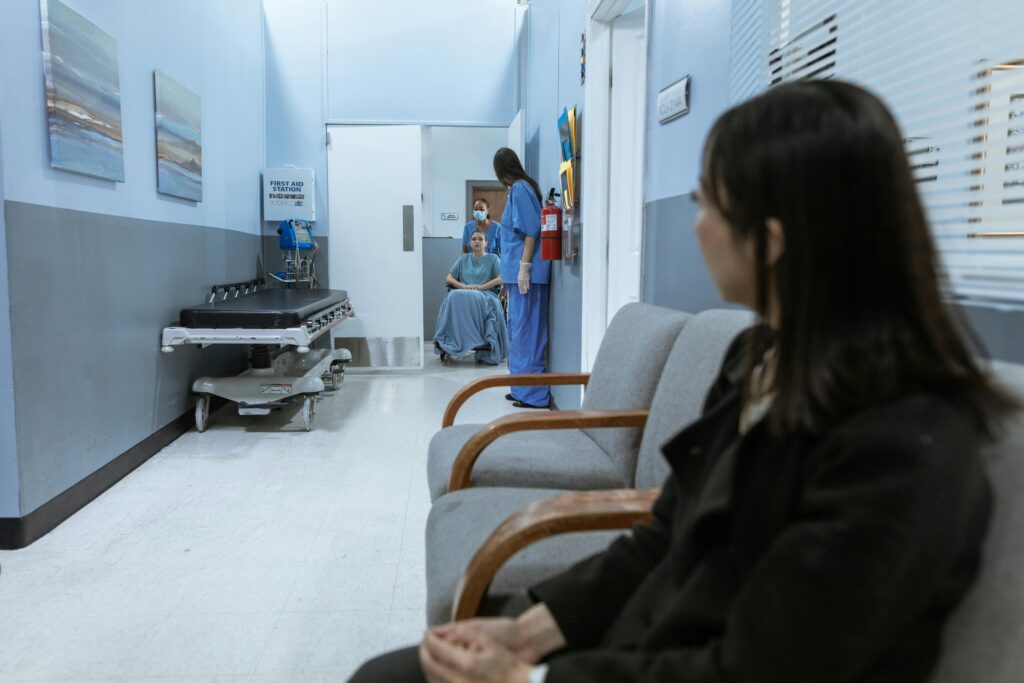
For Filipino nurses, this environment can feel overwhelming at first. But it’s also where our cultural strengths shine: resilience, adaptability, teamwork, and calmness under pressure. These traits make Filipino nurses natural fits for the ER, where every second counts and every decision matters.
Your first ER shift will be intense, messy, emotional, and unforgettable—but it will also shape you into a stronger, sharper, and more confident nurse.
The 11 expectations first-time ER nurses need to prepare for
Triage is the pulse of the unit
Triage determines who gets seen first using the Emergency Severity Index (ESI). Priority 1 cases override everything else.
Scenario: You’re assessing a patient with mild abdominal pain when a stretcher suddenly rolls in with a man clutching his chest, pale and sweating. Your preceptor immediately says, “Drop that—this is Priority 1.” You learn quickly that triage is about speed and accuracy, not fairness.
The “endless” assessment
In the ER, you reassess patients every 15–30 minutes because conditions can change rapidly.
Scenario: A patient with dengue arrives stable, but 20 minutes later, their blood pressure drops. You catch it early because you reassessed on time—your vigilance prevents a crisis.
IV insertion under pressure
You’ll insert IVs on dehydrated elderly patients, trauma victims, and restless children—often while multiple people are talking at once.
Scenario: A doctor calls out, “Start two large-bore IVs now!” while the patient is crying in pain and the family is asking questions. Your hands shake, but you get the line in—and that moment becomes a turning point in your confidence.
“Code Blue” is not just a drill
Your first real resuscitation will stay with you forever.
Scenario: A patient suddenly collapses in the waiting area. Your preceptor shouts, “Start compressions!” and you find yourself doing CPR for the first time outside a simulation. The team moves around you like a well-oiled machine—and you realize how crucial teamwork is.
Mastery of the crash cart
You must know where every medication and tool is stored.
Scenario: During a code, a senior nurse asks, “Where’s the amiodarone?” If you freeze, they’ll gently remind you later: “You need to know this cart like your own bag.” It’s not criticism—it’s survival.
Dealing with “toxic” relatives
Families in the ER are scared, stressed, and overwhelmed.
Scenario: A mother screams at you because her child hasn’t been seen yet. Instead of reacting defensively, you calmly explain the triage system and reassure her that her child is safe. She apologizes later, saying, “I was just scared.”
The “verbal order” challenge
Doctors shout orders during emergencies, and you must repeat them back for safety.
Scenario: The physician yells, “Give 1 mg epinephrine now!” You respond, “Copy—1 mg epinephrine now,” before administering. This closed-loop communication prevents deadly errors.
Rapid-fire documentation
ER documentation is fast and focused. You’ll learn to chart only what’s essential.
Scenario: You stabilize a patient, send labs, start fluids, and then immediately get another patient. You document quickly between tasks, learning to prioritize what truly matters: vitals, interventions, responses, and critical changes.
The “floating” patient
ER patients often stay for hours or days due to lack of beds upstairs.
Scenario: You’re caring for a patient with pneumonia who should be in the ward, but there’s no room. You manage their antibiotics, oxygen, and monitoring while still handling new walk-ins. It’s multitasking at its highest level.
The shift without a “real” break
ER shifts are unpredictable. Breaks happen when the unit allows—not when the clock says so.
Scenario: You heat your lunch three times but never get to eat it hot. You take five bites standing up before being called to triage again. It’s exhausting, but you learn to adapt.
The bond of the ER team
The ER creates a unique kind of family.
Scenario: After a tough code, a senior nurse pats your back and says, “You did good today.” Someone hands you a cold drink. Another cracks a joke to lighten the mood. This is the ER—intense, but full of heart.
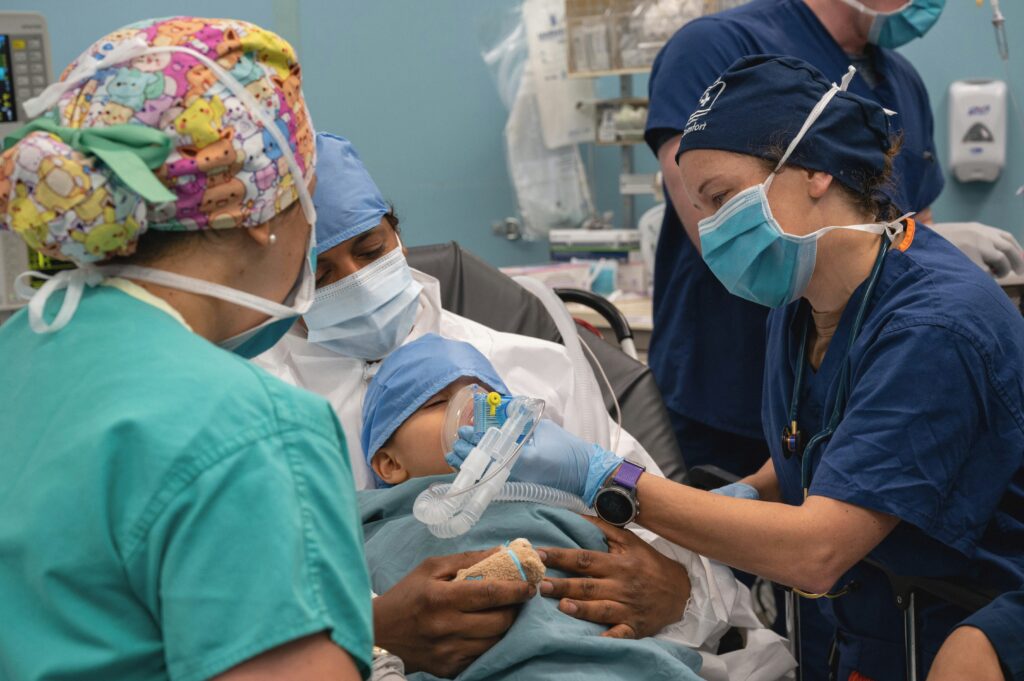
Survival tips for the first 12 hours
Cargo is key
Keep your pockets stocked with flushes, alcohol swabs, tape, scissors, and a penlight. The ER moves too fast for constant supply runs.
Ask, don’t guess
Filipino nurses often hesitate because of hiya (shyness). In the ER, guessing is dangerous. Asking questions saves lives—and no one will judge you for wanting clarity.
Footwear matters
You’ll walk more than 10,000 steps in one shift. Invest in non-slip shoes and compression socks to protect your legs and back.
Managing emotions and protecting your well-being
The ER is emotionally intense. Caring for yourself is essential.
What is box breathing?
Box breathing is a simple technique used by athletes, soldiers, and healthcare workers to stay calm under pressure. It works like this:
- Inhale for 4 seconds
- Hold for 4 seconds
- Exhale for 4 seconds
- Hold for 4 seconds
Repeat this cycle 3–4 times. It slows your heart rate and helps your brain shift from panic to focus.
Name the feeling
Saying “I feel overwhelmed” or “I feel scared” helps your brain process the emotion instead of suppressing it.
Debrief after your shift
Talk to trusted colleagues—especially fellow Filipinos who understand the emotional weight of the ER.
Create a post-shift ritual
A warm shower, quiet music, or a short walk helps your mind transition out of “ER mode.”
Know the signs of burnout
- Irritability
- Emotional numbness
- Difficulty sleeping
- Loss of motivation
Conclusion
Your first ER shift will challenge you in ways you’ve never experienced. You’ll feel tired, overwhelmed, and maybe even scared—but you’ll also feel proud. The ER forces you to grow faster than any other unit. One shift can teach you more than a month in the ward.
You were chosen for the ER because you have the heart, the grit, and the hustle. You belong here.