Police checks are one of the most common requirements for job seekers, volunteers, and even visa applicants in Australia. Whether you’re applying for a role in childcare, healthcare, construction, logistics, or admin, chances are you’ll be asked to provide one. This guide breaks down what a police check is, why it matters, how to get one, and what to prepare no matter where you live in Australia.
What a police check is and why employers request it
A police check verifies your criminal history — or confirms that you don’t have one. Employers use it to ensure safety, trust, and compliance with legal obligations. It’s required across many industries, not just obvious ones like teaching or healthcare. Corporate roles, delivery jobs, finance positions, and hospitality roles may also require checks.
In 2024, over 3.2 million National Police Checks were conducted in Australia[1], highlighting how routine this step is in the hiring process.
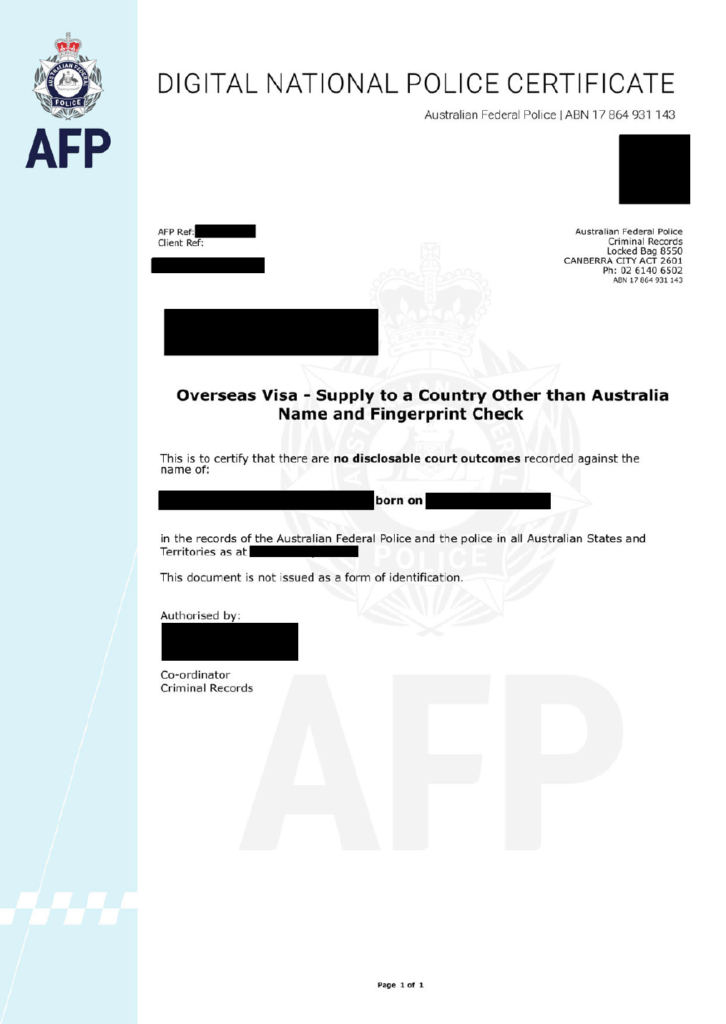
How police checks work
The official name is a Nationally Coordinated Criminal History Check. It’s managed under national standards and can be issued by the Australian Federal Police (AFP) or accredited third‑party agencies.
Your details are matched against national criminal databases. The report shows “disclosable court outcomes,” which may include convictions or pending charges — but only those legally permitted to be disclosed. Spent convictions or minor findings may not appear depending on state laws.
Police check vs other clearances
A police check is not the same as:
- Working With Children Check (WWCC) / Blue Card
- NDIS Worker Screening Check
- Aged Care Clearance
These are role‑specific screenings with deeper assessments. A police check is your general background record; the others are additional layers for vulnerable sectors.
Types of police checks
| Type of check | Used for | Issued by |
|---|---|---|
| National Police Check | Most employment & volunteering | Accredited agencies or state police |
| State‑based police check | Local roles requiring state‑specific clearance | NSW Police, Victoria Police, etc. |
| AFP Police Check | Visas, immigration, overseas employment | Australian Federal Police |
Always confirm which type your employer or authority requires to avoid delays.
How to apply for a police check
You have three main options:
1. Apply online through an accredited agency
Fastest and most common. Popular providers include fit2work, CVCheck, and National Crime Check.
- Cost: $45–$70
- Processing time: 1–5 business days
- Delivered via email
2. Apply directly through the AFP
Required for visas, immigration, and overseas employment.
- Cost: ~$42
- Processing time: up to 2 weeks
- Digital or printed certificate available
3. Apply in person at Australia Post
Some post offices accept applications on site.
- Bring original ID documents
- Complete the form in person
- Results emailed to you or your employer
Identification requirements
You must provide at least 100 points of ID. Common documents include:
- Passport (Australian or overseas)
- Visa grant notice
- Driver’s licence or proof of age card
- Medicare or bank card
- Utility bill or rental statement
Online applications require a selfie or digital photo for biometric verification. If your name has changed, include supporting documents such as a marriage certificate or change‑of‑name record.
Common questions and misunderstandings
“Is a police check the same as a criminal record check?”
Yes — it reveals disclosable criminal history. Some spent convictions may not appear depending on privacy laws.
“Can I reuse the same check for multiple jobs?”
Usually yes, if it’s less than 12 months old. Some sectors require a fresh check each time.
“What if I’ve lived in Australia less than a year?”
You may need both an Australian police check and a clearance from your home country.
“Can I alter or edit my certificate?”
Never. Employers verify certificates online, and falsifying documents can lead to job disqualification or legal consequences.
Other clearances you may need
Depending on your role, you may also require:
- Working With Children Check (WWCC) — mandatory for anyone working with minors
- NDIS Worker Screening Check — required for disability services
- Aged Care Clearance — required for residential aged care roles
These checks are separate from your police check and cannot replace it.
Tips for a smooth application
- Use accredited websites or the AFP portal
- Double‑check which type of certificate you need
- Ensure your ID documents match exactly
- Store your digital certificate securely
- Beware of unofficial websites charging inflated fees
Final thoughts
Getting a police check in Australia is straightforward once you understand the process. Whether you’re a student, migrant, volunteer, or professional, it’s a quick but essential step that demonstrates trustworthiness and integrity. With the right preparation, you’ll complete your police check confidently and avoid unnecessary delays.
