Picture this: it’s the Christmas holidays, highways are packed with families towing caravans, and traffic is bumper‑to‑bumper as everyone heads to the beach or back home to relatives. Tensions rise, horns blare, and one small mistake can turn a festive drive into a nightmare. Road etiquette — going beyond just obeying the rules — makes driving safer, less stressful, and more enjoyable for everyone on Australian roads.
This guide equips you with the habits of courteous, confident, and smarter drivers, whether you’re navigating Sydney’s snarls, Melbourne’s trams, or outback highways. Good etiquette fosters mutual respect and cuts risks, especially now when holiday accidents spike.
In NSW alone, the Christmas period from late December 2024 to early 2025 saw 10 road deaths despite double demerits, up from six the year before, with over 1,000 major crashes reported[1]. Nationally, December often ranks as the deadliest month due to fatigue, speeding, and crowded roads[2].
Core principles of good road etiquette
Good etiquette starts with simple acknowledgements that build a positive road culture. A quick wave or nod when someone lets you merge or gives way encourages kindness and reduces tension. Proper indicator use is essential: signal early and clearly for turns, lane changes, and roundabout exits. This gives others time to react and prevents panic braking or collisions.
Patience is the backbone of courteous driving. Don’t block merging drivers, avoid aggressive acceleration or brake‑checking, and remember that holiday traffic includes tourists and novice drivers who may not know local rules.
Merging, overtaking, and sharing the road
Adopt the zipper merge on highways: take turns one‑for‑one when lanes converge. Blocking others creates unsafe traffic waves and increases crash risk. Trucks and buses need longer braking distances — up to 40% more in wet conditions[3] — and wider turns, so never cut in front of them. Caravans and semis are more common during holidays, so give them extra space.
For overtaking, ensure clear visibility ahead, never overtake on bends, hills, or solid lines, and only pull back when you see both headlights of the trailing car in your mirror. Use your horn sparingly — only for safety warnings, not frustration.
Awareness and defensive driving
Scan mirrors every 15–30 seconds and physically check blind spots before changing lanes. Maintain safe distances using the two‑second rule — extend to four seconds in rain. Tailgating is one of the top crash causes, with 30% of Australians citing it as a major concern[4].
Fatigue is deadly. Drowsy driving contributes to 16–20% of Victorian fatal crashes yearly and 25% of serious injuries[5]. Drivers who sleep under five hours are four times more likely to crash. Stop every two hours or 200 km, swap drivers, and watch for zoning out.
Expect mistakes from others. Stay alert for cyclists, motorbikes, pedestrians, kids near parks, and wildlife at dawn or dusk.
City driving and parking etiquette
Approach roundabouts slowly, yield to traffic already circulating, and signal left on exit. Never block intersections — doing so causes gridlock and increases crash risk. Park within lines, leave door space for neighbours, and check for cyclists to avoid dooring incidents.
In school zones, obey posted speeds during active hours. NSW issued over 183,000 speeding fines in school zones in 2024–25, with 70% during peak times[6]. Lower speeds save lives, as children move unpredictably.
Holiday traffic tips
Depart early to avoid peak congestion and reduce stress. Use rest stops for hydration and breaks — fatigue contributed to Victoria’s 296 road deaths to June 2025, up 3.1% year‑on‑year[7]. Check tyres, fluids, and pack water, snacks, and a first‑aid kit. Heat worsens fatigue and mechanical failures.
Be patient with caravans and tourists unfamiliar with local rules. Overtake safely and give them buffer space.
Unlearning bad habits
Tailgating to “push” slower drivers causes many nose‑to‑tail crashes — 56% of Australians report involvement[8]. Avoid right‑lane hogging; it’s for overtaking, not cruising. Don’t accelerate when someone signals to merge. In gridlock, let drivers in rather than sealing gaps.
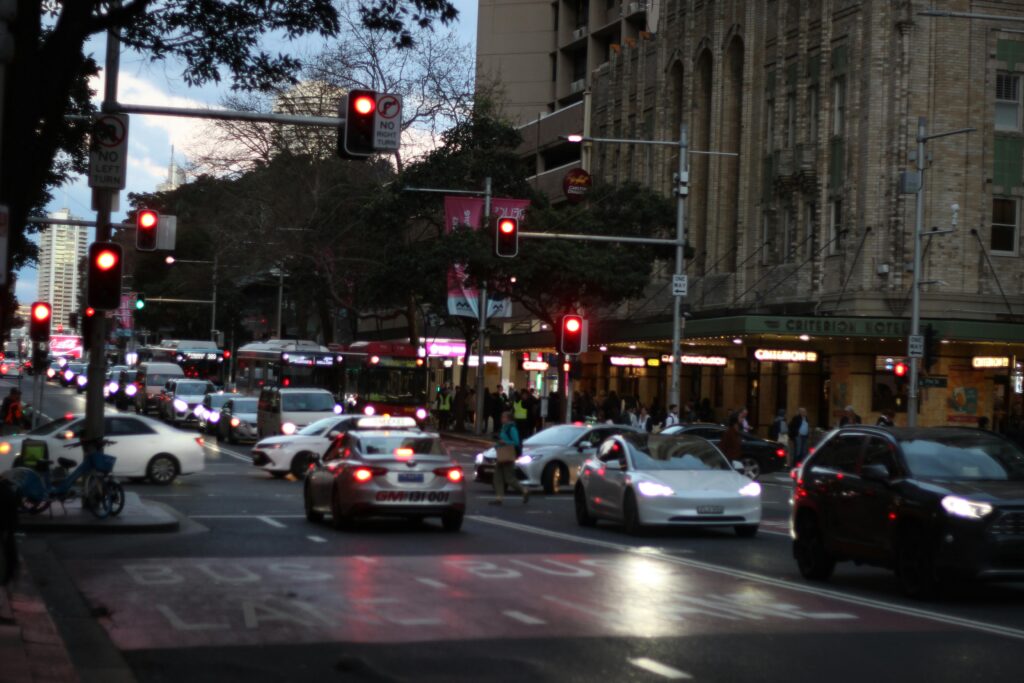
Avoid rolling stops, sudden braking, blocking driveways, or flashing high beams aggressively — all escalate tension and can attract fines.
Quick etiquette wins
- Wave thanks when someone lets you merge
- Let one extra car in during peak hour
- Use indicators early and honestly
- Give cyclists 1–1.5 metres clearance
- Leave early to avoid rushing
- Honk only for safety alerts
- Park neatly and consider the next driver
Final thoughts
Embrace acknowledgement, patience, safety scans, courteous sharing, and urban awareness — these habits turn rules into respect and protect lives. With NSW recording 10 deaths over Christmas 2024 despite double demerits[1], good etiquette matters more than ever. Share your stories or tips on social media, and if you enjoyed this, subscribe to “Living in Australia” and leave a five‑star review. Thanks for listening!
