Across Australian suburbs it is common to see surplus produce—lemons, mandarins, herbs, or flowers—left on fences or letterboxes with handwritten “Free” notes, reflecting a culture of sharing instead of wasting.
Informal kerbside “free piles” of furniture, books, or plant pots serve the same purpose, turning unwanted items into someone else’s treasure rather than landfill.
Street libraries, small community book boxes where people “take a book, leave a book”—have spread widely in cities and regional towns, encouraging literacy and neighbourly trust. These gestures are supported by local community and volunteering networks that promote sharing, mutual aid, and waste reduction.
High-trust behaviour in daily life
Many Australians speak about losing wallets, phones, or bags and having them handed back, sometimes with cash untouched, reflecting generally high social trust. Everyday scenes—like children’s toys, hats, or drink bottles placed carefully on a fence or bench rather than taken—show a shared assumption that others will try to reunite belongings with owners.
Australia’s relatively low levels of serious crime by global standards help underpin this sense of safety and trust in public spaces. This trust is not naïve; it is reinforced by social norms that view dishonesty and theft as strongly unacceptable within most communities.
BBQ courtesy and shared spaces
Public barbecues in parks and on beaches are a cherished part of Australian life, and there is an unwritten rule to clean the plate after use so the next group arrives to a tidy cooking surface. Sharing oil, utensils, or a spare sausage with strangers is common, quickly turning a simple meal into an impromptu social gathering.
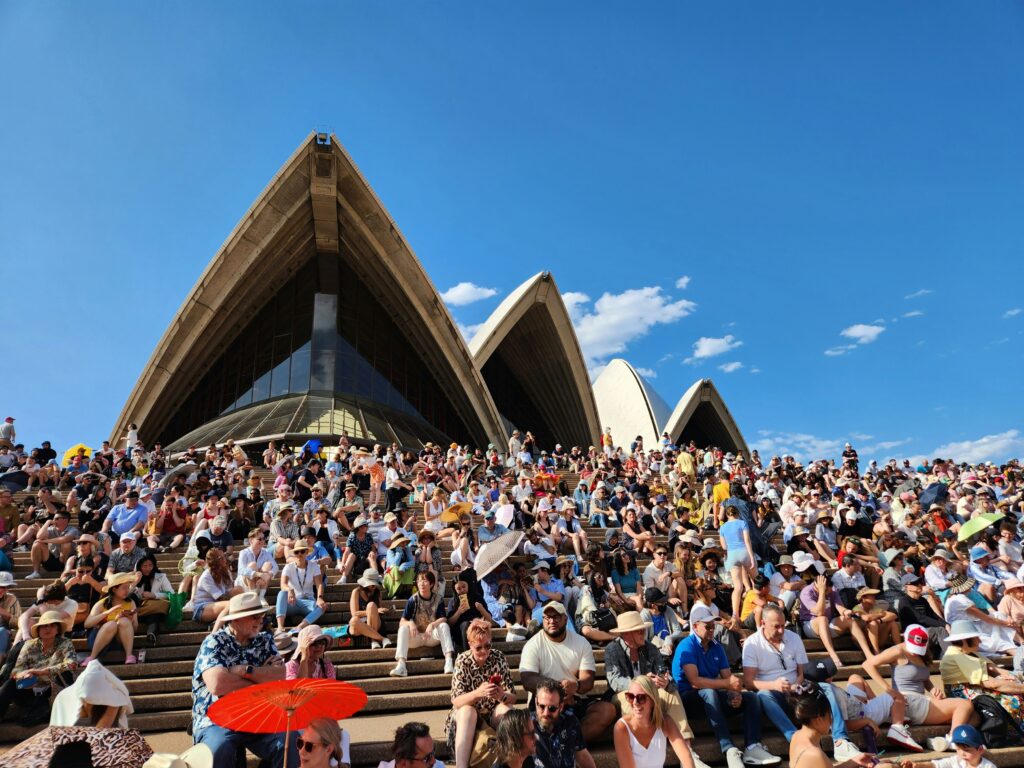
These BBQ traditions mirror broader expectations that public spaces—parks, playgrounds, community halls—should be left as good as or better than found. Many local governments actively encourage this culture of shared responsibility through signage and community campaigns.
Everyday environmental care
Australians spend a lot of time outdoors, and many families treat “leave no trace” behaviour as a basic norm, bringing rubbish bags to the beach or park and picking up litter that is not theirs. Community clean-up events and local “friends of” groups for creeks, dunes, or bushland give structure to this instinct.
National and state environmental reporting has highlighted both the ecological importance of beaches, rivers, and bushland and the threats from plastic, food waste, and other litter. This visibility helps normalise everyday actions like sorting waste, using bins correctly, and cleaning up after picnics and pets.
Helping tourists, no questions asked
A common memory among visitors is being helped by locals before they even ask: someone offering directions, walking them to a tram stop, or explaining ticket machines. Australians are often informal and chatty with visitors, which makes it easier for newcomers to ask for help navigating unfamiliar systems like Myki, Opal, or Translink cards.
Tourism bodies frequently highlight friendliness and approachability as key strengths of the Australian visitor experience, reflecting feedback from international travellers who feel safe and welcome during their stay.

Everyday helpfulness and “give a hand” culture
Day-to-day, it is normal for people to watch a stranger’s trolley, guard a picnic spot, hold a door, or help lift a pram onto a tram or bus without fuss. Police and rangers posing for photos with tourists at landmarks further humanise authority figures and reduce the sense of distance between officials and the public.
These small favours reflect the popular idea of “lending a hand” when you can—an attitude that also shows up during disasters, when communities often mobilise quickly with donations, sandbagging, and clean-up help after fires or floods.
The “you go first” mindset
Queue etiquette in Australia tends to emphasise fairness and patience. In supermarkets, someone with a full trolley often waves a person carrying only a couple of items ahead, and pushing into a queue is widely frowned upon. On the road, many drivers stop for pedestrians at crossings and informal points even when not strictly required to do so.
This “you first, no worries” approach extends to holding lifts, letting others through doors, and giving seats to older people or parents with children on public transport. Public campaigns about courteous driving and public transport etiquette reinforce these expectations.
Outdoor friendliness and trail etiquette
On walking tracks and bush trails, a friendly “How ya going?” or nod is almost standard when passing others. Hikers often share quick information about leeches, snakes, or muddy sections ahead, reflecting both safety awareness and a sense of temporary community among people using the same path.
Dog walkers, joggers, and neighbours greeting each other on regular routes help create familiarity even in big cities. This outdoor sociability is supported by extensive public green space and walking infrastructure in most Australian cities, which feature strongly in liveability rankings.
Random compliments and micro-kindness
Australians often offer casual compliments to strangers—praising a dog, a shirt, or a haircut—which can brighten an ordinary moment. Pedestrians commonly raise a hand or nod to thank drivers who stop, and bus passengers may thank drivers as they get off, reinforcing a loop of small, positive interactions.
These micro-kindnesses build a sense of shared good humour and reduce social distance between strangers. They also fit with the national preference for informality and light-heartedness over formality or hierarchy in everyday interactions.
Bonus quirks that show Aussie values
Several other habits round out this cultural picture:
- Cheering for the underdog: Supporting the team or person “not expected to win” is a recurring theme in sport and beyond.
- Queue fairness: Jumping the queue is socially policed without needing formal rules.
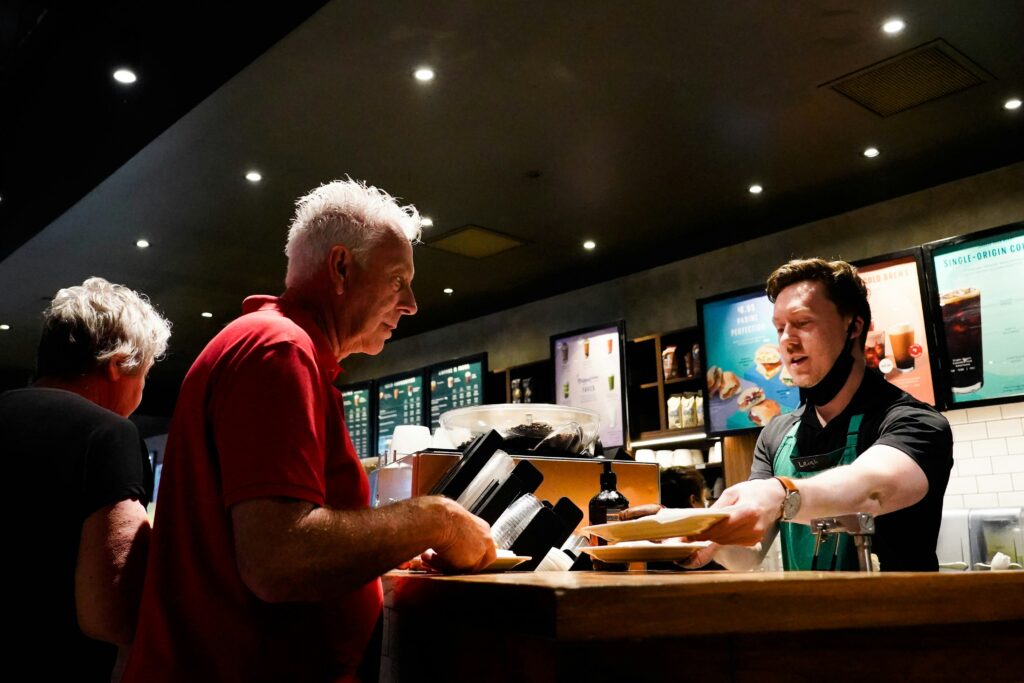
- Coffee seriousness: Even small towns often pride themselves on high-quality coffee, reflecting attention to everyday pleasures.
- “Bring a plate” culture: Guests commonly contribute food to social gatherings, spreading cost and effort and reinforcing sharing.
- Weekend barbies and block parties: Regular social gatherings keep neighbour networks active and supportive.
Australia consistently scores highly on international measures of happiness, safety, and liveability, with multiple cities ranking in global top tens for liveability and quality of life. These rankings reflect not just infrastructure and incomes but also the everyday culture that makes streets, parks, and communities feel relaxed, cooperative, and welcoming.
Noticing and participating in these habits—sharing fruit, picking up stray litter, helping a lost visitor, or letting someone go first in line—helps keep that culture strong. Over time, these seemingly small choices are exactly what make Australia feel like one of the most generous and friendly places to live.
