When most people picture Australia, they imagine Bondi Beach, Melbourne laneways, or Perth’s skyline. But beyond the capitals lies a completely different world — one filled with wide-open spaces, tight-knit communities, and landscapes that stretch beyond the horizon. This guide explores what life is truly like in regional towns and the iconic outback: the costs, the jobs, the lifestyle, the challenges, and the rewards.
What counts as regional Australia?
Regional Australia refers to the larger towns and cities outside the eight capital cities. These places are far from “small country towns” — many are thriving hubs with hospitals, universities, festivals, and diverse job markets.
- Wagga Wagga, NSW: ~70,000 people, major defence and agricultural hub
- Townsville, QLD: ~200,000 people, gateway to the Great Barrier Reef and mining regions
- Ballarat, VIC: ~120,000 people, historic gold rush city turned modern regional centre
These towns offer many of the conveniences of city life, but with more space, lower housing costs, and a slower pace.
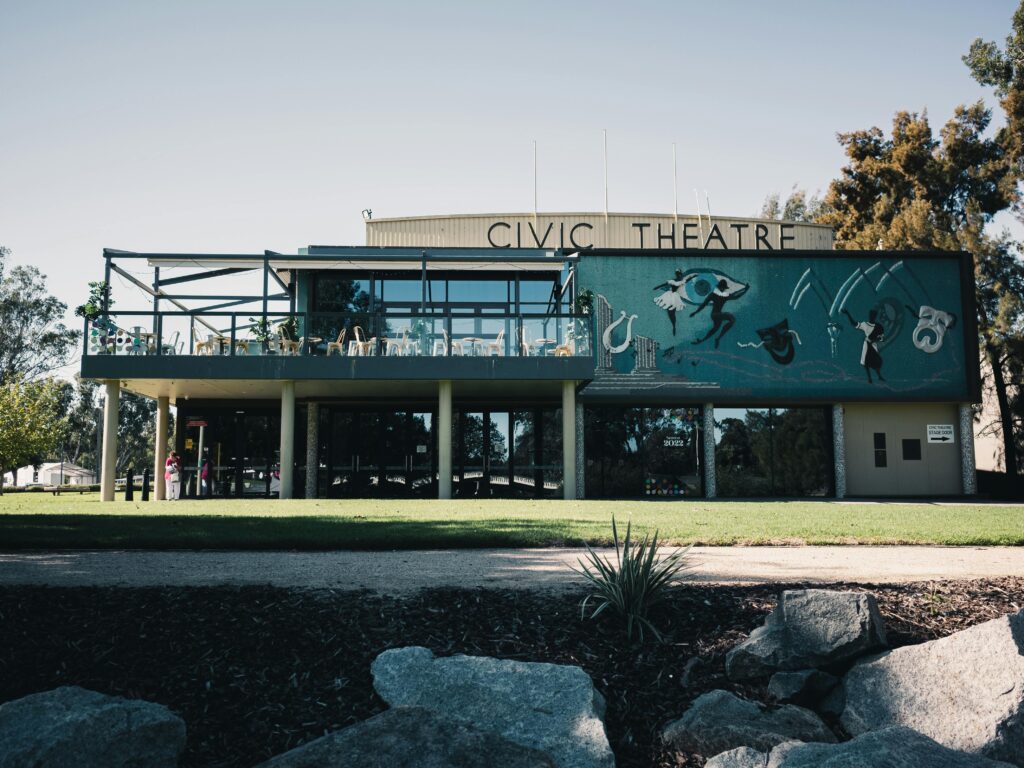
Photo by Sonny Sixteen: https://www.pexels.com/photo/exterior-design-of-the-wagga-wagga-civic-theatre-building-in-australia-11968593/
The outback: Australia’s remote heart
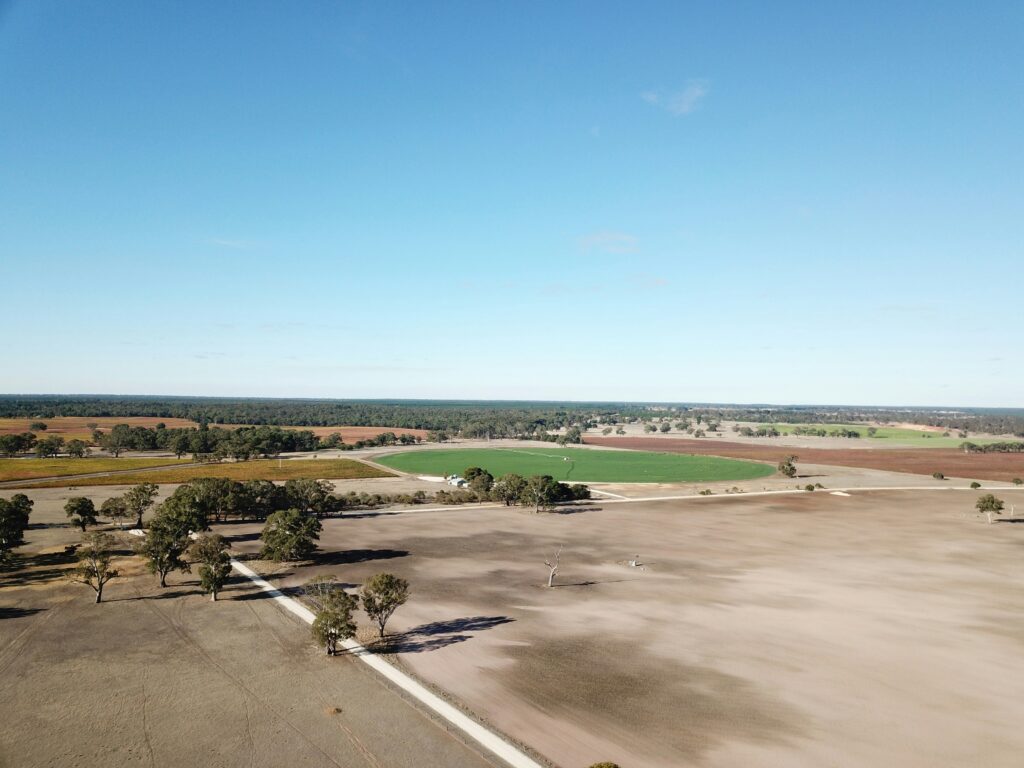
The outback is a different world entirely — remote, sparsely populated, and shaped by extreme landscapes. Think of:
- Broken Hill, NSW: historic mining town with under 20,000 people
- Alice Springs, NT: ~25,000 people, known as the “red centre”
Population density can drop below one person per square kilometre. Services are limited, distances are vast, and the environment — heat, dust, silence — defines daily life.
Housing: the biggest reason people move
Housing affordability is the number one drawcard for regional and outback living.
| Location | Median house price | Notes |
|---|---|---|
| Sydney | ~$1.5 million | One of the world’s least affordable cities |
| Regional towns | Under $500,000 | More space, larger blocks |
| Outback regions | Below $350,000 | Often includes land |
Rent is also significantly cheaper outside the capitals. For many families, this affordability is life-changing — allowing home ownership without decades of heavy mortgage pressure.
The cost of living: cheaper housing, pricier essentials
While housing is cheaper, everyday costs can be higher in regional and remote areas.
- Fuel: $2.10 per litre in Sydney vs over $3 in remote NT towns
- Groceries: limited variety and higher prices due to transport costs
- Utilities: electricity can be more expensive, especially where diesel generators are used
Locals adapt by bulk-buying, freezing food, and relying on seasonal local produce when available.
Jobs and industries outside the capitals
Regional and outback economies look very different from city CBDs. Key industries include:
- Agriculture: wheat, cattle, sheep, horticulture
- Mining: employs ~280,000 people nationally[1]
- Health care: high demand for nurses, GPs, and allied health workers
- Education: teachers are in demand, especially in rural areas
- Trades: electricians, plumbers, mechanics
- Seasonal work: fruit picking, vineyard labour, cattle mustering
Regional migration programs continue to target shortages in health, aged care, and trades, offering incentives for skilled workers willing to relocate.
Lifestyle: slower pace, stronger community
One of the biggest benefits of regional living is lifestyle. Commutes shrink from an hour in Sydney to ten minutes in towns like Dubbo or Ballarat. People reclaim time — for family, hobbies, and outdoor activities.
Community is central. Neighbours know each other, sporting clubs are social hubs, and “Friday night footy” brings everyone together. Crime rates are often lower, and families say they feel safer letting children play outside.
During floods, bushfires, or droughts, communities rally together — a resilience that defines regional Australia.
Healthcare and education: access varies
Regional hubs have hospitals capable of handling most emergencies. Smaller outback towns rely on the Royal Flying Doctor Service, which covers 7.7 million square kilometres[2].
Education options differ:
- Regional centres: TAFE, university campuses, public and private schools
- Outback: School of the Air for remote learning
- Boarding schools: common for secondary students in remote areas
Connectivity challenges
Internet and mobile coverage remain major issues. The NBN has improved access, but bandwidth can be limited and mobile black spots persist. Remote work and telehealth can be difficult without stable connections.
Transport: distance defines everything
Distances in the outback are enormous. Alice Springs to Darwin is nearly 1,500 km — similar to Paris to Rome. Running out of fuel on the Stuart Highway is a serious risk.
- Public transport: limited or nonexistent
- Driving: essential; 4WDs are common
- Flights: available but expensive
Many families own multiple vehicles and plan long trips carefully.
Family life: space vs fewer services
Families enjoy large backyards, national parks, and open spaces. Kids grow up outdoors, surrounded by nature.
But there are trade-offs:
- Fewer extracurricular activities
- Long drives for specialised programs
- Boarding school for older children
Cultural life: different, not lacking
Regional and outback Australia have rich cultural traditions:
- Agricultural shows and rodeos
- Country music festivals (Tamworth)
- Birdsville Races — population swells from 100 to 10,000
- Camping, fishing, and stargazing
- Deep connections to Aboriginal culture and heritage
Outback skies are among the clearest in the Southern Hemisphere, attracting astronomers and photographers from around the world.
Challenges: isolation, climate, and career limits
Life outside the capitals isn’t perfect. Common challenges include:
- Isolation: fewer entertainment options, limited nightlife
- Climate extremes: 40°C summers, droughts, cyclones, dust storms
- Career progression: fewer senior roles, leading to “brain drain”
But for many, the benefits outweigh the drawbacks.
Why people choose regional and outback life
Despite the challenges, thousands of families and migrants choose regional Australia for:
- Affordable housing and land
- Stronger community connections
- Safer environments
- Closer ties to nature
- More time and less stress
Some Australians would never leave the city; others would never give up their small-town life under open skies.
Final thoughts
Living in regional or outback Australia is a lifestyle defined by trade-offs. You gain space, affordability, community, and nature. In return, you adapt to remoteness, fewer services, and extreme climates. If you’re considering the move, ask yourself what matters most: convenience and city buzz, or land, community, and star-filled skies. For many, the answer lies far from the capitals.
