For many Filipinos, applying for overseas work is a major life step — and doing it well means more than just submitting a résumé. In a competitive global job market, having the right credentials can set you apart.
Here’s a comprehensive guide on how you can strengthen your qualifications before applying for overseas jobs, increasing your chances of being hired and getting better terms.
Why credentials matter — and what employers abroad look for
Overseas employers and recruitment agencies don’t just scan names of candidates, they evaluate their skills, documentation, and readiness for a different work environment. In some sectors, such as healthcare, engineering, IT, or hospitality, “credentials” matter even more — because employers abroad expect standards similar to their own country’s.
Even for jobs that don’t demand a college degree — such as caregiving, housekeeping, or general service work — having recognised certifications (e.g. from TESDA, first aid training, foreign-language or caregiving credentials) can improve your employability and maybe your pay.
Also, many countries now require more than just willingness — English proficiency, technical skills, or licensure may be needed, depending on job type.
Finally, official process and documentation matter: to be legally deployed, you must meet requirements of your home country (for example, through the Department of Migrant Workers / formerly Philippine Overseas Employment Administration – DMW/POEA). This includes orientation seminars, certification, contract verification and more.
Steps to boost your credentials before applying abroad
Here are concrete steps that you — as a prospective OFW — should take before you submit any job application overseas.
1. Educate yourself — attend pre-employment orientation (PEOS) & pre-departure orientation (PDOS)
Before anything else, make sure you complete the required orientation courses.
The Pre-Employment Orientation Seminar (PEOS) is a free online (or in-person) module for aspiring OFWs. It covers basic information on overseas employment, your rights, contract processing, and how to avoid illegal recruitment. The certificate you get can help when processing paperwork.
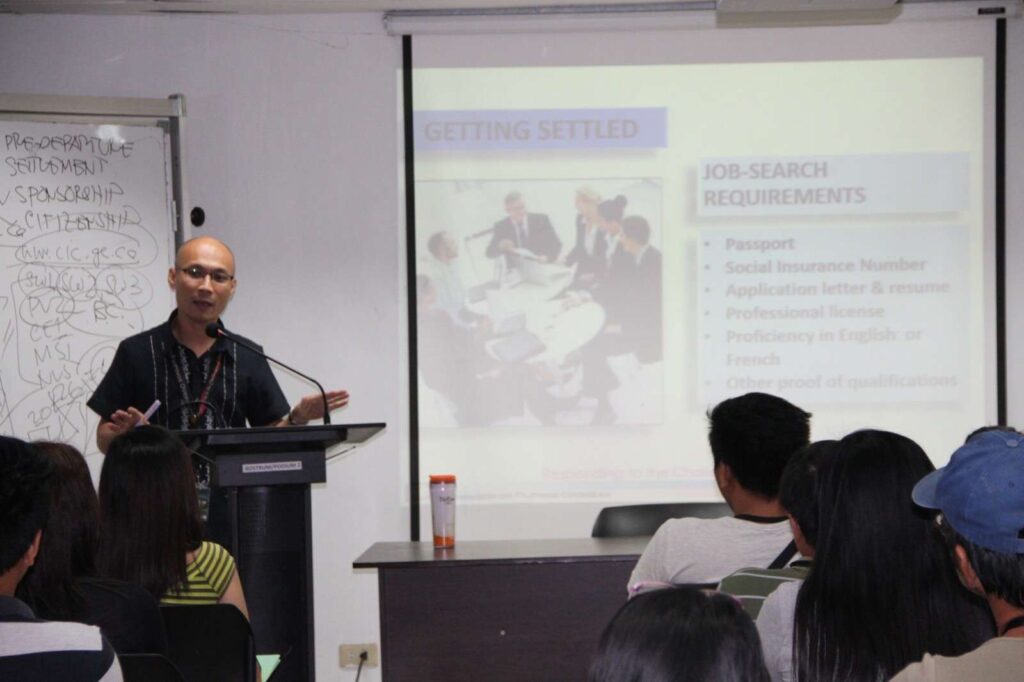
After you secure a job, you must attend Pre-Departure Orientation Seminar (PDOS) — again mandatory under DMW/POEA rules. This readies you for realities abroad (work culture, rights, contractual obligations).
Completing these seminars proves that you’re not a first-time leaver who doesn’t know the ropes. It shows responsibility — and helps prevent falling into scam or illegal-recruitment traps.
2. Acquire relevant certifications & technical skills
Depending on your target job category, getting certified gives you a serious edge. Some ideas:
Beyond formal training, consider upgrading language skills (especially English), computer literacy, communication skills, and any other skill relevant to the job you plan to apply for. Continuous learning — even online — can make a big difference.
3. Build relevant work experience & demonstrate work history
Experience speaks louder than just certificates. Employers abroad tend to value candidates with proven track records, preferably with references or certificates from previous employers.
If you are young or fresh-graduate, consider internships, short-term work or volunteering in relevant fields to build experience. For domestic/caregiver work: babysitting, caregiving for elders, or housekeeping roles may help.
For skilled jobs: engage in projects, freelance, or locally relevant employment that demonstrates competencies abroad employers might value.
4. Prepare complete and clean documentation
When applying for overseas work, you must ensure that all your documents are valid and organised. Among the common requirements are: valid passport (with at least 6 months validity), educational diplomas or transcripts, certificates (training, license), personal data sheet or CV, NBI clearance (if required), and a verified employment contract or job order (through a legitimate recruitment agency).
Always use licensed or government-accredited agencies when applying — never deal with “guaranteed jobs” from unverified social media ads or unscrupulous recruiters. Illegal recruitment remains a major danger for prospective OFWs.
5. Upskill continuously & keep certificates updated
Even after you have basic credentials, the global job market keeps evolving. New technologies, new requirements, new competition. Take advantage of training programmes — for example, through TESDA, or short courses relevant to your field (technical trades, caregiving, hospitality, IT).
Seek peer support, mentorship or join communities/fellow OFWs who might share job leads, advice, or even training information.
For professions that require licensing (nursing, engineering, etc.), ensure your license is valid, and if applying to a country with stricter requirements, check if additional foreign credentials or language tests (e.g. IELTS) are needed.
6. Research demand & target jobs with high global demand
Not all jobs abroad have the same demand level. Some professions are more in-demand, offering better salaries and more stable employment. According to recent data, jobs in:
- Healthcare (nurses, caregivers)
- Engineering and technical trades
- Hospitality and tourism
- IT and digital professions
- Skilled trades and services
are in high demand.
By aligning your skills with demand sectors, you increase your chances of being hired quickly and with competitive benefits.
7. Ensure legitimate, legal recruitment — avoid scams
One of the biggest risks for OFW hopefuls is illegal or fraudulent recruitment. Always verify that the recruitment agency is licensed by DMW/POEA. Never pay large placement fees upfront or trust job offers that seem “too good to be true.”
Real-world benefits: what good credentials bring you
Higher chance of selection — employers abroad see you as prepared, skilled, and serious.
- Better jobs and pay — certified caregivers, nurses, engineers or skilled workers tend to get better pay than general helpers.
- Legal safety and fewer hassles — when you apply through legitimate channels, you avoid delays, risk of illegal recruitment, and issues with deployment or visa processing.
- Long term career growth — upskilling and valid credentials can allow you to shift to better jobs, or get promotions abroad.
- Peace of mind for your family back home — knowing your documents are legal, your skills are authentic, gives security to those waiting for your income and remittance.
Pre-application checklist: are you ready to apply abroad?
Before you hit “Apply,” go through this quick self-checklist:
- Completed PEOS and obtained certificate
- (If already hired) Completed PDOS or ready for orientation
- Valid passport (6+ months)
- Educational diplomas, transcripts, licenses (if applicable)
- Relevant certifications (TESDA, caregiving, technical, language, etc.)
- Valid NBI clearance (if required)
- Updated résumé / curriculum vitae with previous work experience, references
- Verified employer + job order through a licensed DMW/POEA-accredited agency
- Medical exam (if required) done and valid
- Clear understanding of contract terms, benefits, work conditions abroad
Use this checklist as your foundation: missing documents or weak credentials can delay deployment or reduce your chances.
Final advice: think long-term, invest in yourself
Applying for an overseas job isn’t just about leaving — it’s about building a better future for you and your family. By investing time and effort now — through proper training, certification, documentation, and self-improvement — you give yourself the strongest chance to not just get a job, but to secure a stable and respectable career abroad.
As some OFW guides put it: it’s not only about “getting abroad,” but about “going abroad ready.”
Even if you aim for jobs that seem to require “less skill,” having extra credentials shows employers you care about quality and professionalism — and that can make all the difference.
So before you apply — polish your credentials, ready your paperwork, and enter the global job market with confidence. You’re not just an applicant — you’re a well-prepared professional ready for the world.