For many Overseas Filipino Workers, coming home to the Philippines is one of the most emotional and long-awaited moments of the year. You count the days, mark your calendar, and imagine all the things you will finally do once you’re home—family meals, reunions, road trips, rest, and simple moments you’ve missed while working abroad.
But once you arrive, reality sets in quickly. Time moves faster than expected. Your vacation suddenly feels too short for everything you want and need to do.
Most Filipino workers abroad are given only two to four weeks of annual leave. In many industries, contracts allow just one month of vacation per year—and sometimes only after two full years of work. That means you have roughly thirty days, or even less, to reconnect with loved ones, handle personal matters, attend celebrations, rest your body, and prepare yourself emotionally to leave again.
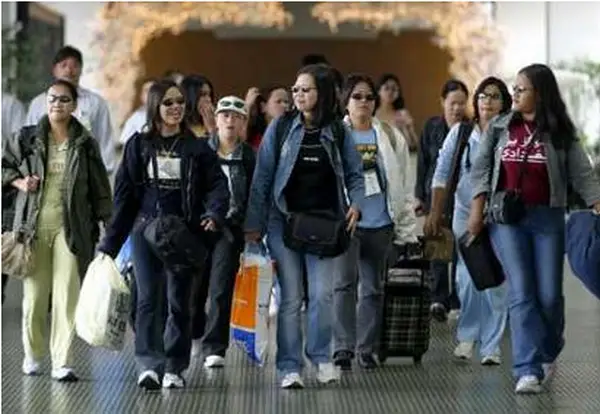
What should be an exciting homecoming can easily become exhausting and overwhelming. Research and anecdotal evidence from OFWs consistently show that their limited vacation time is often consumed by mandatory errands.
These include official business at government agencies (such as the Philippine Overseas Employment Administration (POEA), now DMW, the Social Security System (SSS), or PAG-IBIG Fund), financial transactions like sending remittances or managing investments, medical check-ups, and visiting numerous friends and extended family members
Instead of enjoying every moment, many OFWs find themselves rushing from one commitment to another: family gatherings, friend meetups, government offices, errands, and responsibilities that piled up during their absence. The dense schedule of the “vacation” often leads to a feeling of being rushed, stressed, and overwhelmed rather than rested or relaxed.
Before you know it, you’re packing your bags again, asking yourself where the time went.
This article is here to help you change that experience.
Let’s talk about how you can truly make the most of your short vacation in the Philippines—how to balance obligations and rest, how to protect your time and energy, and how to focus on what really matters to you.
Start with planning before you even fly home
One of the biggest mistakes many OFWs make is assuming that planning can wait until they arrive. In truth, a successful vacation begins weeks, or even months, before your flight.
Book flights early
Airfare is one of the biggest expenses of going home. A round-trip ticket from the Middle East to the Philippines can cost hundreds of dollars, and prices increase significantly during peak seasons like Christmas, Holy Week, and summer. For example, the average round-trip from the UAE to the Philippines is around $818.
Booking three to four months in advance gives you better options and helps you avoid unnecessary stress and overspending. Optimal booking window is even made earlier at 4 to 10 months in advance to secure the best fares.
Prepare your documents ahead of time
Many OFWs lose precious vacation days lining up at government offices to renew passports, fix paperwork, or request documents.
Today, many Philippine agencies offer online appointments and delivery services. If you can apply or book appointments before flying home, do it. Every task completed in advance is one more day saved for family and rest.
Set a realistic budget
It’s natural to want to be generous. You want to treat your family, meet friends, and enjoy your time at home. But overspending can lead to stress and regret when you return abroad. A simple solution is to divide your money into clear categories: essentials, family activities, social obligations, personal leisure, and emergency funds. This helps you enjoy your vacation without financial anxiety.
When you plan well, your arrival becomes about connection—not pressure.
Put family first—they are the heart of your homecoming
For OFWs, the greatest sacrifice is not physical work or long hours—it’s the moments missed with family.
Birthdays, school programs, graduations, anniversaries, and even simple daily routines often pass without you. When you finally come home, your presence matters more than anything you bring.
For parents working abroad, children need time—not just gifts. Studies show that many children with OFW parents struggle emotionally with long-term separation. Simple acts—helping with homework, eating meals together, attending school events, or playing outside—leave deeper memories than expensive toys or gadgets.
For single OFWs, parents often wait quietly and patiently. Sitting with them during breakfast, accompanying them to appointments, or simply spending an afternoon talking can mean more than years of financial support. As parents grow older, your time becomes increasingly precious.
Extended family is also part of Filipino life. Siblings, aunts, uncles, cousins—they all want to see you. While financial expectations may exist, most relatives truly value shared moments: meals together, conversations, laughter, and stories from abroad.
Your presence is the real gift.
Learn to balance social invitations
Once people know you’re home, invitations will pour in. Dinners with friends, reunions, fiestas, birthdays, and gatherings can quickly fill your schedule.
Filipino culture celebrates togetherness, and balikbayans are often treated as special guests. But saying yes to everything can leave you exhausted. Some OFWs spend every night out and every day running errands, only to fall sick halfway through their vacation.
The key is balance.
You don’t have to attend every invitation. Prioritise meaningful events—important milestones, close relationships, and gatherings that truly matter to you. It’s okay to politely decline by explaining that your time is limited.
A meaningful vacation is not measured by how many parties you attended, but by how present and healthy you were for the people closest to you.
Make time for simple leisure and joy
You worked hard abroad. You deserve rest and enjoyment.
You don’t need a long, expensive trip to feel refreshed. Short and meaningful getaways can be just as rewarding. A two-day trip to Tagaytay, Baguio, Subic, Samal Island, or nearby beaches can already feel like an escape.
Food, for many OFWs, is one of the greatest joys of coming home. Street food, local dishes, carinderia meals, and simple breakfasts with pandesal and coffee carry deep emotional comfort. These familiar flavours remind you where you come from.
Cultural moments matter too: fiestas, karaoke nights, neighbourhood basketball games, or quiet evenings with family. These experiences reconnect you to your identity and roots.
It’s not about doing everything. It’s about enjoying what feels like home.
Be mindful with money and expectations
Pasalubong has become a strong tradition, but it can also be a source of stress. While giving feels good, it’s important to set limits. Create a clear pasalubong budget and remember that thoughtfulness matters more than price.
Cash requests and borrowing are more difficult. Many people see OFWs as financially secure, even when that isn’t always true. It’s okay to help—but not at the expense of your savings, emergency funds, or future goals.
Setting boundaries doesn’t mean you care less. It means you are protecting your long-term stability.
Don’t forget to rest and take care of your health
Trying to do everything can take a toll on your body.
Lack of sleep, heavy eating, constant outings, and alcohol can lead to illness—ruining the rest of your vacation. Listen to your body. Rest when needed. Stay hydrated. Balance indulgence with care.
Your vacation is also a good time for health check-ups. Medical and dental care in the Philippines is often more affordable, and preventive care helps ensure you return abroad healthy and strong.
Your family needs you well—not burned out.
Prepare yourself emotionally for leaving again
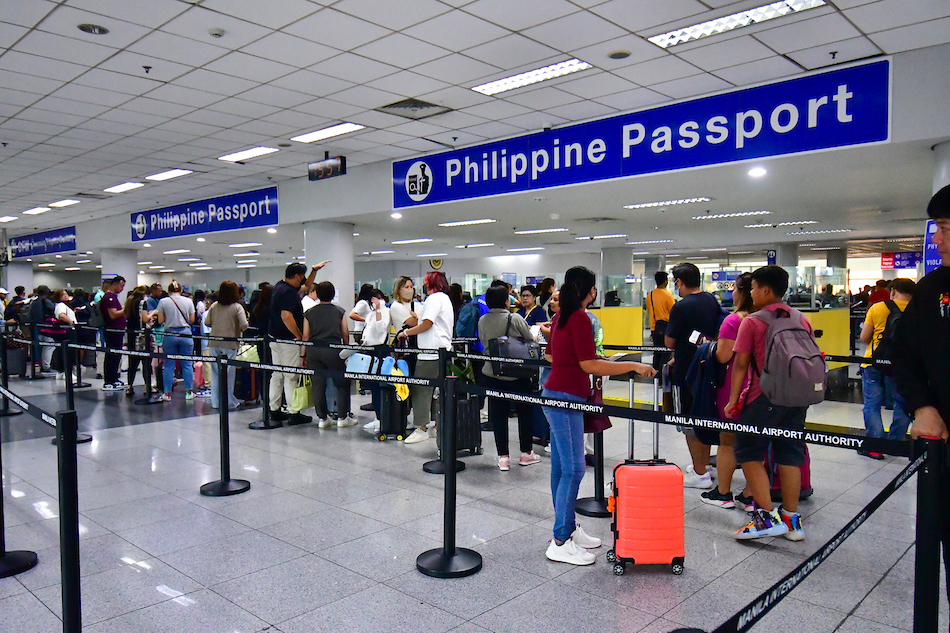
The hardest part of every vacation is saying goodbye. Handle your documents early. Pack gradually. Avoid last-minute stress.
More importantly, take time for proper goodbyes. Talk to your children. Reassure them. Share plans with your family. Emotional preparation helps ease the pain of separation.
Remind yourself why you work abroad: your goals, your dreams, and the future you are building. Purpose gives strength.
Final thoughts
Your vacation may be short, but it can still be deeply meaningful.
People may forget the gifts you brought or the money you spent—but they will remember your laughter, your stories, and your presence.
Time with loved ones is irreplaceable. When you come home, focus on what truly matters. Make memories, not just meet expectations.
Until your next homecoming, carry those moments with you wherever you go.