Domestic work is one of the most common forms of employment for Filipinos overseas. For decades, it has provided a vital source of income for families back home: paying for education, housing, healthcare, and everyday needs.
According to the Philippine Statistics Authority, female overseas Filipino workers, many of whom are domestic helpers, make up more than half of the total OFW population.
Countries such as Saudi Arabia, Kuwait, Hong Kong, and Singapore consistently rank among the top destinations for Filipino household service workers, deploying tens of thousands each year. For many families in the Philippines, remittances from domestic workers are not just financial support, they are lifelines to loved ones back home.
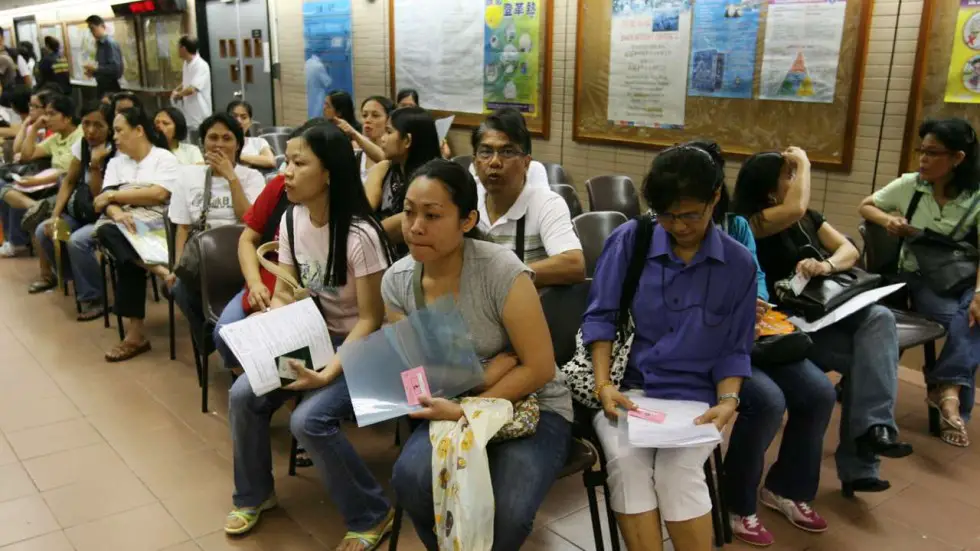
Yet behind the familiar image of the hardworking, self-sacrificing domestic helper lies a reality that is far more complex. Every day, Filipino domestic workers navigate emotional sacrifices, cultural barriers, and professional limitations, often in silence and far from public view. Below are seven of the most significant challenges they face, along with reflections on how they cope and protect not just their livelihood, but their dignity.
1. Long working hours with no clear boundaries
For many live-in domestic workers, the employer’s home becomes both workplace and residence. This blurs the line between work hours and personal time.
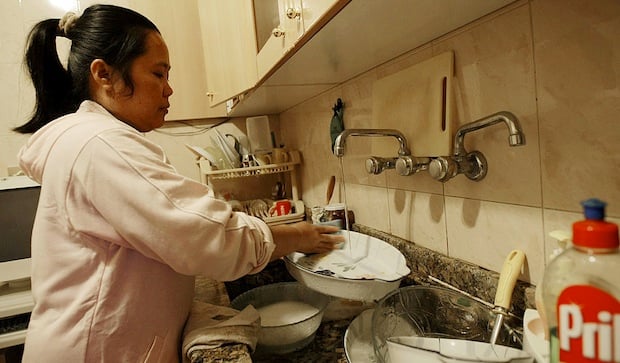
Reports show that domestic workers often endure 12- to 16-hour workdays, starting as early as dawn and stretching late into the night. Tasks range from cooking and cleaning to childcare and laundry, with additional duties added unpredictably—especially when guests arrive or employers make last-minute requests.
Unlike office jobs with defined schedules, domestic work frequently has no fixed hours. In many countries, domestic workers are excluded from standard labour protections such as the eight-hour workday. The result is chronic exhaustion, burnout, and health issues such as back pain, repetitive strain injuries, and sleep deprivation. Without boundaries, work becomes a 24/7 expectation.
2. Limited or non-existent rest days
Closely tied to long hours is the lack of regular rest days. While labour standards ideally grant domestic workers at least one full day off per week, reality often falls short.
Some employers refuse rest days altogether, citing distrust or fear of leaving their home unattended. Others technically grant a day off but still require workers to complete tasks “just this once,” slowly eroding their break.
The absence of rest is not just physically draining—it removes freedom, autonomy, and opportunities for social connection. A single rest day allows workers to attend church, meet friends, go outdoors, or simply recover. Without it, isolation deepens and emotional strain intensifies.
3. Homesickness and emotional strain
For many Filipino domestic workers, family is both the reason for leaving and the greatest source of pain while abroad.
Years of separation mean watching children grow up through video calls, missing birthdays, graduations, and milestones. Prolonged distance often leads to guilt, loneliness, and emotional fatigue. Children may struggle with feelings of abandonment, while parents carry the weight of absence silently.
Isolation is worsened in households where workers are expected to stay indoors or have limited contact with others. After long days of work, the lack of meaningful conversation or companionship can slowly wear down mental health. Without support, homesickness can develop into depression.
4. Language barriers and miscommunication
Although Filipinos are widely known for their English skills, language barriers remain a serious challenge in countries where English is not commonly used.
In places such as Saudi Arabia or Qatar, employers often communicate primarily in Arabic. Instructions may be misunderstood, leading to mistakes that are sometimes misinterpreted as incompetence or defiance. With little formal training or language support, workers are often expected to “learn on the job.”
This pressure creates anxiety and self-doubt. Miscommunication can escalate into conflict, even when errors stem from language gaps rather than neglect or refusal.
5. Cultural differences and adjustment stress
Cultural adaptation is another daily challenge. Filipino domestic workers must quickly adjust to unfamiliar customs, food, religious practices, and household norms.
In the Middle East, workers may need to observe strict dress codes, prayer schedules, or gender boundaries. In places like Hong Kong or Singapore, they may encounter fast-paced households with high expectations and little patience.
More painful than differences in habits, however, are differences in how domestic workers are treated. While some employers welcome helpers as part of the family, others view them purely as labour—rarely acknowledged as individuals. This lack of recognition deepens feelings of alienation and emotional strain.
6. Abuse and exploitation
The most serious challenge many domestic workers face is abuse—verbal, physical, emotional, or economic.
Cases of salary withholding, delayed payment, passport confiscation, and illegal deductions remain widespread. Some workers experience verbal humiliation or physical punishment, while others face sexual harassment or assault.
The power imbalance is severe. Living inside the employer’s home makes reporting abuse risky, as workers fear retaliation, termination, or deportation. Although embassies, NGOs, and migrant organisations provide support, many cases remain hidden, and suffering continues behind closed doors.
7. Limited career growth and long-term stagnation
While domestic work provides immediate income, it rarely offers pathways for professional advancement.
Tasks remain largely the same year after year, with few opportunities for promotion or skill diversification. Many workers dream of studying, changing careers, or starting a business, but financial responsibilities and lack of time make transitions difficult.
After years abroad, some return home with limited employment options beyond domestic work, reinforcing a cycle of migration and dependence on overseas contracts.
Coping, support, and resilience
Despite these challenges, Filipino domestic workers show remarkable strength. Community support plays a crucial role—church groups, NGOs, migrant organisations, and informal networks of kababayans provide emotional relief, shared knowledge, and protection.
Embassies and consulates remain vital lifelines for legal help and emergency shelter. On a personal level, using rest days wisely—whether for social connection, online learning, or self-care—can make a significant difference. Small steps such as financial planning, journaling, or skill-building help workers prepare for a future beyond survival.
The story of Filipino domestic workers abroad is one of sacrifice, resilience, and quiet strength. They endure long hours, emotional separation, cultural adjustment, and, at times, harsh working conditions—all to secure better futures for their families.
Greater awareness is needed—from governments, employers, and society at large—to recognise their humanity and protect their rights. For those currently working abroad, preparation, support networks, and self-care are essential tools for navigating these realities.
Life as a domestic worker overseas is not easy. But Filipinos have long shown that even in hardship, strength, faith, and determination can endure—and deserve respect.