Age discrimination remains a persistent challenge in the Philippines, even as the workforce becomes more diverse and laws explicitly prohibit it.
Despite the protections under the Anti‑Age Discrimination in Employment Act (RA 10911), many Filipino workers—especially those in their 40s, 50s, and beyond—continue to face subtle and overt forms of age bias. Cultural attitudes that glorify youth, the rise of AI-driven recruitment tools, and a highly competitive job market all contribute to the problem. These biases are not only unfair—they are illegal.
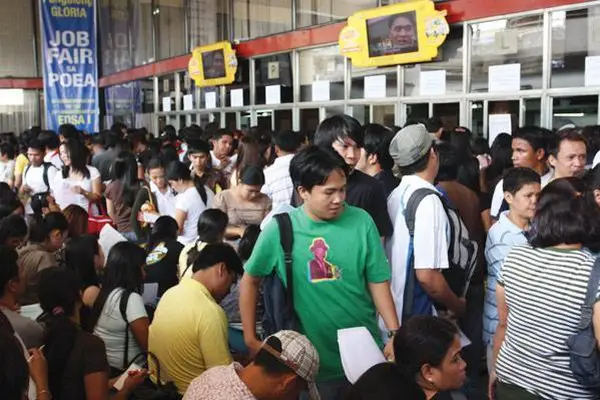
Maximum age limit for employment in the Philippines
There is still no maximum age limit for employment in the Philippines. Under RA 10911, employers cannot:
- Set age limits in job postings
- Reject applicants because of age
- Favor younger workers for training, promotion, or benefits
However, certain age-related rules remain:
- Government employees: Mandatory retirement at 65 (Civil Service Commission)
- Private sector: Minimum retirement age of 60, unless company policy is more generous
- Safety-critical industries: Aviation, maritime, and public transport may impose age limits for medical and safety reasons
From 2024 to 2026, DOLE and CSC increased monitoring of online job postings, especially on social media, where age discrimination remains common.
Why age discrimination still happens in the Philippines
Several modern factors continue to fuel age bias:
- Stereotyping: Older workers are often labeled as “less tech-savvy” or “slow to adapt,” despite many having strong digital skills.
- Cost concerns: Employers assume older workers demand higher salaries or more benefits.
- Youth preference: With over 1.6 million new graduates annually, companies often default to hiring younger applicants.
- AI-driven screening: Some HR systems filter applicants based on graduation year, indirectly excluding older workers.
- Performance misconceptions: Employers may wrongly associate age with declining productivity.
- High competition: Post-pandemic job recovery remains uneven, giving employers a large pool of younger applicants.
These reasons are rooted in bias—not fact. Skills, experience, and performance should determine employability.
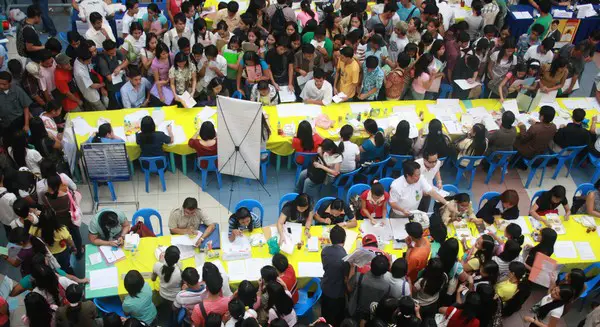
What age discrimination looks like in the Philippines today
Common examples include:
- Refusal to hire: Applicants over 40–50 are rejected despite meeting all qualifications.
- Forced or pressured retirement: Employees are encouraged to retire early to “make room” for younger staff.
- Demotion or pay reduction: Older workers are reassigned to lower roles without valid performance reasons.
- Unequal opportunities: Older employees are excluded from training, digital upskilling, or leadership tracks.
- Harassment: Comments like “matanda ka na,” “pang‑Gen Z lang ’yan,” or “baka hindi mo kayanin ang tech.”
Because of these challenges, many older workers shift to freelancing, entrepreneurship, or overseas employment, where age is often less of a barrier.
Examples of age discrimination in job postings
Despite RA 10911, discriminatory job ads still appear, especially on Facebook groups and informal job boards:
- Age limits: “22–35 years old only” or “must be below 30.”
- Youth preference: “Young and dynamic team,” “fresh graduates preferred.”
- Age-coded language: “Digital native,” “Gen Z preferred,” “millennial mindset.”
- Benefits exclusive to younger workers: Programs tied to student loans or youth-only incentives.
These practices violate RA 10911 and can be reported to DOLE.
Laws governing age discrimination in the Philippines
The primary law is Republic Act No. 10911 or the Anti‑Age Discrimination in Employment Act. It prohibits employers from:
- Refusing to hire based on age
- Terminating or demoting an employee because of age
- Discriminating in compensation, benefits, or training opportunities
Penalties include fines and possible imprisonment. DOLE has strengthened online monitoring and encourages workers to report violations through its digital complaint channels.
How to file an age discrimination complaint
If you believe you were discriminated against because of age, you may file a complaint through DOLE:
- Gather evidence: Screenshots of job ads, emails, chat messages, interview notes, or HR correspondence.
- File a complaint with DOLE: Visit the nearest DOLE Regional Office or use the DOLE Online Complaint System.
- Submit required documents: Including an Affidavit of Complaint and supporting evidence.
- Participate in mediation or hearings: DOLE will invite both parties to clarify the case.
- Wait for DOLE’s decision: If the employer is found liable, DOLE may impose penalties and order corrective actions.
Legal assistance from an employment lawyer or labor rights group can help strengthen your case.