Picture a steamy January afternoon. You’ve run the air-con hard for weeks, and then the electricity bill lands—hundreds more than expected. That bill shock is one reason so many Australians are suddenly talking about solar.
Rooftops across the suburbs are covered in panels, electricity prices have climbed sharply over the past decade, and everyone seems to know someone who “paid off their system in a few years.” But is solar actually worth it, or is it just a trendy upgrade?
This guide breaks down the real costs, savings, rebates, payback periods, and myths so you can decide whether solar fits your life—not just your neighbour’s roof.
Why solar makes sense in Australia
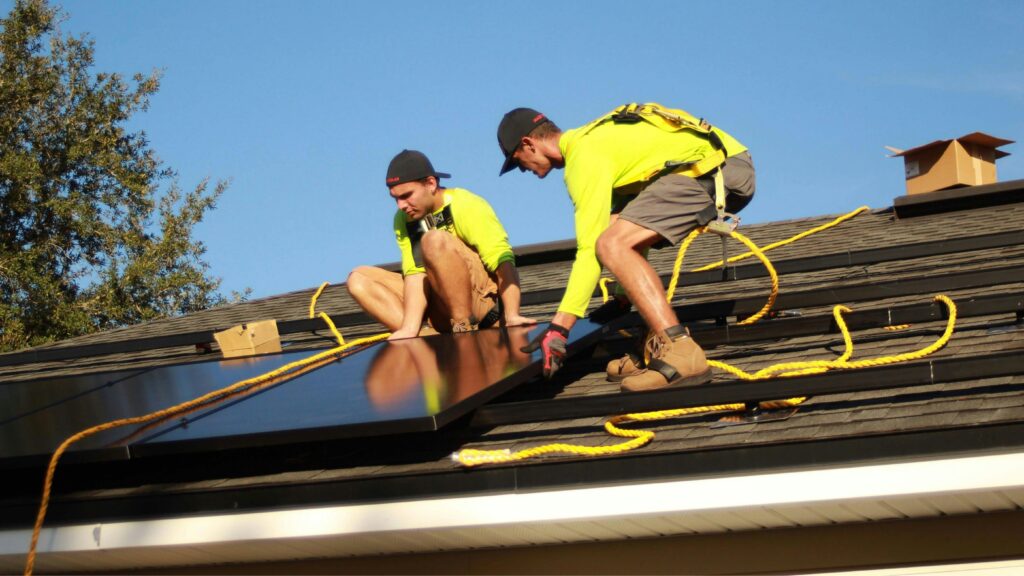
Australia is one of the sunniest continents on Earth, giving rooftop solar a natural advantage. Solar panels convert sunlight into direct current electricity, which an inverter turns into the alternating current your home uses. Any excess is exported to the grid for a credit. Most Australian homes have roof space facing north, east, or west, making them ideal for solar when shading is minimal.
Government policy has also accelerated adoption. By 2024, Australia had more than 26 gigawatts of distributed rooftop solar, supplying over 20% of national electricity. Installation rates reached more than 1.5 kilowatts per person, making Australia a global leader in household solar.
The real cost of installing solar
A good-quality 6.6 kW system—one of the most common sizes—typically costs $4,500 to $6,000 after federal rebates as of early 2026. Prices vary by state, installer competition, roof complexity, and panel or inverter brand. Smaller systems cost less overall but more per kilowatt, while larger systems like 10 kW offer better value per watt but require more roof space and a larger upfront budget.
Typical solar system price ranges
| System size | Approx. cost after rebates | Notes |
|---|---|---|
| 3 kW | $3,000–$4,500 | Higher cost per kW |
| 6.6 kW | $4,500–$6,000 | Most common size |
| 10 kW | $7,500–$10,000 | Better value per watt |
Hidden and overlooked costs
Beyond the sticker price, several additional costs can affect the lifetime value of your system:
- Switchboard upgrades: Some homes need modern safety upgrades before solar can be connected.
- Inverter replacement: Panels last 20–25 years, but inverters often need replacing after 10–15 years.
- Monitoring systems: Basic monitoring is included, but advanced systems may cost extra.
- Cleaning and maintenance: Minimal in many suburbs, but more frequent in dusty or coastal areas.
Government rebates and incentives
Australia’s main federal incentive is the Small-scale Technology Certificate (STC) scheme. STCs reduce the upfront cost of solar based on expected system output. Installers usually apply this discount automatically.
Some states offer additional rebates or low-interest loans, though these vary by location and change over time. Feed-in tariffs (FiTs)—the rate you’re paid for exporting excess solar—were once generous but are now much lower due to high daytime solar supply.
A common myth is that solar eliminates power bills entirely. In reality, most households still pay a daily supply charge and import electricity at night or on cloudy days.
How much can solar save you?
The Australian Bureau of Statistics estimated that rooftop solar saved households over $3 billion in 2024–25—around $125 per person. For individual homes, annual savings often reach several hundred dollars and can exceed $1,000 for high-usage households.
The biggest driver of savings is self-consumption—how much of your solar you use directly instead of exporting it. Running appliances during sunny hours boosts savings significantly.
Examples of high self-consumption appliances
- Dishwasher
- Washing machine
- Pool pump
- Air-conditioning
- EV charging
Understanding payback periods
Payback time is how long it takes for bill savings to equal your upfront cost. In Australia, typical payback periods range from 4 to 8 years. High daytime usage and high electricity tariffs shorten payback, while low usage or heavy exporting lengthens it.
| State | Average Payback (Years) | Key Factor |
| South Australia | 4.0 – 5.5 | Highest grid rates + strong Virtual Power Plant (VPP) uptake. |
| NSW / QLD | 5.0 – 7.0 | High sunshine hours; Queensland leads in total installations. |
| Western Australia | 5.5 – 7.5 | Synergy/Horizon incentives support steady returns. |
| Victoria | 6.5 – 8.5 | Deregulated FiTs (some at 0¢ midday) make batteries almost essential. |
Electricity prices have roughly doubled since 2009–10, reaching around 29 cents per kWh in 2024–25. Rising prices make every unit of solar you self-consume more valuable, effectively shortening payback over time.
Are solar batteries worth it?
Batteries store excess solar for use at night or during blackouts. They offer energy independence but remain expensive. A popular 13.5 kWh battery like the Powerwall often costs five figures installed. A full 6.6 kW system with a battery may cost $9,500 to $14,000.
| Battery Model | Usable Capacity | Est. Installed Cost (Post-Feb ’26 Rebate) |
| Tesla Powerwall 3 | 13.5 kWh | $12,500 – $14,000 |
| Sungrow SBR Series | 9.6 kWh | $9,000 – $11,000 |
| BYD Battery-Box | 10.2 kWh | $8,200 – $10,500 |
| AlphaESS Smile5 | 10.1 kWh | $8,000 – $10,000 |
For most households, batteries don’t yet pay back as quickly as panels alone. They make more sense for:
- Homes with frequent blackouts
- High night-time electricity usage
- People who value energy independence
For now, many households install solar first and add a battery later when prices fall or rebates improve.
Common solar myths
- “Solar works during blackouts.” Not without a battery and backup hardware—standard systems shut down for safety.
- “Bigger systems are always better.” Oversizing can lead to exporting lots of low-value electricity.
- “Panels need constant maintenance.” Most require minimal upkeep.
- “You can’t run air-con on solar.” You can—summer sun and air-con demand peak together.
Solar challenges for renters and apartment dwellers
Renters need landlord approval, and many landlords hesitate because they don’t directly benefit. Apartment residents face shared roofs and strata approvals. Some buildings now offer embedded networks or shared solar, and community solar programs are emerging, but access varies.
Who benefits most from solar?
Solar delivers the strongest value for:
- Owner-occupiers planning to stay 5–10 years
- Homes with high daytime usage (WFH, retirees, pool owners)
- Properties with unshaded north-facing roofs
- Households in high-tariff regions
When solar may not be worth it
- Short-term residents planning to move soon
- Very low-usage households
- Homes with heavy shading or poor roof orientation
- Apartment dwellers without shared solar options
Environmental benefits
Rooftop solar reduces reliance on coal and gas, cuts emissions, and lowers peak demand. The ABS estimates rooftop solar already supplies around $1 billion worth of electricity directly to households each year. Solar also contributes to national renewable energy targets and helps shift Australia’s long-term energy mix.
Key questions before installing solar
- How much electricity do you use annually?
- Do you use more power during the day or at night?
- What system size fits your roof and lifestyle?
- What rebates or incentives apply in your state?
- Is your installer accredited and reputable?
Comparing solar with other ways to cut bills
Sometimes the cheapest kilowatt-hour is the one you never use. Energy-efficient appliances, insulation, draught-proofing, and smart meters can reduce consumption significantly. Switching to a more competitive energy plan can also save hundreds per year.
Real-world examples
A couple working from home installs a 6.6 kW system for around $5,500 after rebates. They shift washing, dishwashing, and cooling to daylight hours. Their high self-consumption leads to strong savings and a shorter payback period.
Another couple works 9–5 outside the home. They still save money, but their payback is longer because they export more electricity at low feed-in rates.
A family with a pool benefits by running the pump during sunny hours. Retirees at home during the day also see strong returns.
Is solar worth it?
Solar isn’t magic, and it won’t eliminate your power bill, but it’s one of the most effective long-term investments for Australian households. Savings depend on your habits, roof, and usage patterns—not just the panel brand. Batteries are optional for now, with solar panels alone offering the best value for most homes.
Your next steps
Check your recent electricity bills to understand your usage and tariff. Use a reputable Australian solar calculator to estimate system size, cost, savings, and payback. Review current rebates in your state and only work with accredited installers. The best solar system is the one that matches your lifestyle and energy habits.
