December in Australia brings sunshine, road trips, and family holidays, but it is also a peak time for home break-ins because so many properties sit empty for days or weeks. Recent ABS figures show home break-in victimisation rates hovering a little over 2% nationally, with hundreds of thousands of households affected each year.
Quiet streets, stacked parcels, and dark windows make it obvious when nobody is home, and opportunistic thieves look for exactly these signals. Even suburbs that feel safe for most of the year can become more vulnerable when many residents are away and fewer people are watching for suspicious behaviour.
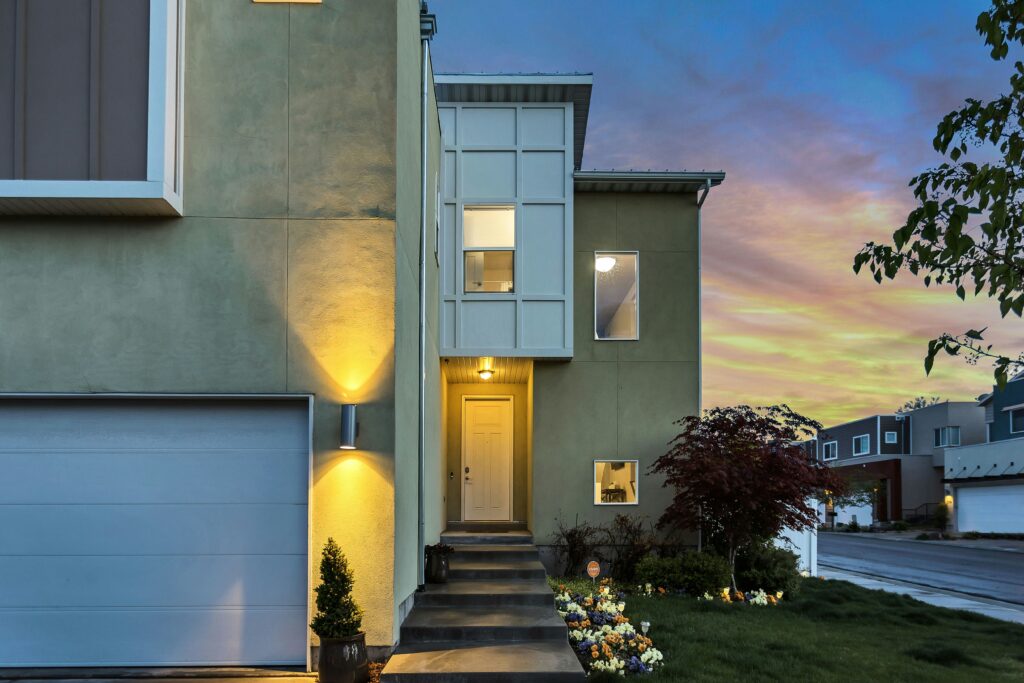
How burglars spot an empty home
Burglars rarely pick targets at random; they scan for telltale signs that a property is unoccupied. Overflowing letterboxes, bins left on the kerb for days, curtains closed around the clock, and houses that suddenly “go quiet” after regular activity all suggest absence. Parcels and missed-delivery cards piled by the door reinforce that impression.
Most residential burglars are opportunistic and use the easiest possible entry points. Studies indicate that a large share of break-ins happen through unlocked doors or windows, sometimes as high as about two-thirds of cases, which means basic locking and visible deterrents are more effective than complicated systems that are never used properly. In practice, a typical burglary can take just a few minutes, so anything that slows or draws attention to an intruder significantly reduces risk.
Make your home look “lived in”
The goal when you travel is not to turn your house into a fortress but to simulate normal, everyday life. Light timers or smart bulbs that come on at dusk and switch off late in the evening make it look like someone is watching TV or reading in the lounge. Motion-sensor lights near entrances deter people who approach after dark by making them feel instantly visible.
Keep blinds and curtains in their usual positions rather than suddenly closing everything tightly before you leave. If you trust a neighbour, ask them to adjust curtains occasionally so there is natural variation. Arrange for someone to move bins on and off the kerb on collection day; bins sitting out all week are a classic “nobody home” signal. For longer trips, consider using Australia Post’s Mail Hold service and ask a nearby friend or neighbour to clear flyers and any stray letters so your mailbox never overflows.
If possible, leave a car parked in your driveway or ask a neighbour to occasionally park in your spot. Tyre marks and small changes around the front of the property act as subtle signs of ongoing activity. These cues, combined with lights and collected mail, make your home far less attractive than a clearly vacant alternative.
Secure doors, windows, and garages
Front and back doors remain the main targets for forced entry. Solid deadbolts, double-locks, and properly installed strike plates greatly improve resistance to kicking or prying, and security screen doors provide an extra barrier. Sliding doors should be reinforced with security bars or even a simple piece of wood in the track to stop them being forced open.
Windows are another common weak point. Lock every window, including those on upper floors, because many burglars will happily climb when given the chance. Ground-level windows benefit from lockable latches, security screens, or restrictors that limit how far they can be opened. Garages and sheds are often overlooked; unplug automatic openers if you are away for an extended period, lock the internal door between the garage and house, and secure sheds so tools cannot be used to break into your home.
Never leave spare keys hidden outside, no matter how clever the hiding place seems. Mats, pot plants, and hose reels are all familiar spots to experienced thieves, so hand spare keys to a trusted person instead.
Use smart tech wisely
Home security technology is now affordable and easy to install without professional help. Visible doorbell cameras or motion-activated cameras at entry points act as strong deterrents because offenders know they may be recorded, and research suggests security systems significantly reduce the chance of selection as a target. Many brands allow two-way audio, so you can speak to visitors and give the impression you are inside even when you are overseas.
Smart plugs and connected devices make it simple to switch lights or radios on from your phone, adding realistic sound and light patterns to your home. DIY alarm kits with mobile alerts, along with door, window, and vibration sensors, provide immediate notifications if someone tries to force entry, especially at ground-level doors and sliding glass panels.
If you rely on smart devices, make sure your modem remains powered and your internet connection stable while you are away. Updating your Wi‑Fi password to a strong, unique phrase of at least 12 characters and securing your accounts with multi-factor authentication are important digital safeguards, because a compromised network undermines the security benefits of connected hardware.
Get your insurance in order
Insurance does not prevent a burglary, but it can dramatically soften the financial impact. Check your home and contents policy well before you leave to confirm that burglary and theft are covered, and look at any conditions relating to forced entry, proof of ownership, or vacancy limits, which can restrict cover after a certain number of unoccupied days. If you are planning an extended overseas trip, talk to your insurer about how long you can be away before conditions change.
Photograph valuable items such as jewellery, electronics, tools, bikes, and collectibles, and store those images in a secure cloud folder or password-protected drive. Recording serial numbers where possible makes police recovery and insurance claims far smoother because you can clearly demonstrate ownership and identify items if they are found. Keeping digital copies of receipts or professional valuations adds another layer of evidence and helps avoid disputes over value later on.
Lock internal doors to rooms with high-value items and consider using a small safe for passports, important documents, and irreplaceable items. The most effective safes are bolted to a wall or floor and hidden in less obvious places like cupboards or pantries, making them much harder to remove quickly.
Stay private on social media
Oversharing travel plans on social media is an underestimated security risk. Research involving ex-burglars has suggested that many believe active offenders use social media and similar tools to confirm when homes are empty, particularly when posts show travel dates, boarding passes, or real-time holiday updates. Geotagged selfies at airports or beaches can effectively advertise that your house is unattended.
Encourage everyone in the household, especially teenagers and young adults, to avoid posting live updates that reveal you are away or that show obviously empty rooms at home. Instead, share photos and videos once you are back and frame them as a “look back” at the trip, which preserves both your memories and your security. Before you leave, review your privacy settings, limit your audience to people you know, and disable automatic location tagging where possible.
Neighbours, communities, and house sitters
Local connections are one of the most powerful and low-cost security measures available. Let a trusted neighbour know your travel dates and ask whether they are comfortable collecting parcels, moving bins, and keeping an eye on your front yard or foyer. Offering to return the favour when they travel helps build a culture of mutual support that deters opportunistic crime.
Many suburbs now use app-based neighbourhood watch groups where residents share updates about suspicious cars, prowlers, or local crime patterns, which can be especially valuable during holiday periods when streets are quieter. Some councils and community safety organisations publish holiday security checklists, run patrols, or offer basic security assessments, so checking your local council’s website before Christmas can uncover extra support.
Having someone stay in your home is often the single best deterrent. Reputable house-sitting and pet-sitting platforms operating in Australia match homeowners with verified sitters who maintain routines, water gardens, and manage bins in exchange for accommodation. When properly arranged, this keeps the home visibly lived-in while giving you ongoing updates and peace of mind.
Extra tips for apartments and unit living
Apartments and townhouses have slightly different risks, especially around shared entries and car parks. Never buzz in unknown visitors or prop open security doors for convenience, and report any broken or malfunctioning access points to building management before you leave so they can be repaired. Shared mailrooms and parcel lockers also need attention; ask management what happens with uncollected parcels during holiday periods.
Ground and first-floor balconies can offer easy access when doors or windows are left unsecured. Use locks, bars, or poles in sliding tracks to prevent forced opening from outside. Let your building manager or strata know you will be away so they can monitor any unusual activity near your unit, reset delivery lockers if needed, and alert security patrols.
Your pre-departure security checklist
Before heading off on your Christmas or summer holiday, set aside time for a final, calm walkthrough of your property. Check that:
- All doors and windows are locked and any security screens engaged.
- Motion lights and timers are working and scheduled for realistic evening patterns.
- Mail holds, parcel arrangements, and bin movements are organised.
- High-value items are out of sight, internal doors to storage rooms are locked, and any safe is secured.
- Insurance is up to date, photos and serial numbers are recorded, and policies are accessible online.
- For longer absences, unplug non-essential appliances and consider turning off your main water supply to prevent leaks or bursts while you are away. A final sweep helps guard not only against theft, but also against power surges, water damage, and fire risks, making your return home far less stressful.
A secure home at Christmas is not about fear; it is about smart preparation. A few hours of thoughtful planning—locks, lights, neighbours, tech, and privacy—can deliver weeks of worry-free travel and let you focus on what the season is really about: good company, sunshine, and peace of mind.
